
- Home
- Academics
- About
- Administration
- Administrative Body
- Administrative Section
- Vice-Chancellor's Office
- Registrar Section
- Academic Section
- Accounts Section
- Examination Section
- Planning & Development
- Public Relations & Publications
- Engineering Section
- Instrument Maintenance Section
- Health Care Center
- Health Preventive Section
- Transport Section
- Security Section
- ICT Cell
- Students' Affairs Division
- Proctor Office
- FabLab
- Head of Departments
- Dean of Faculties
- Admission
- Facilities
- Transport
- Guest House
- Department of Physical Education
- Teacher Student Center
- Botanical Garden
- Germplasm Center
- Telephone Directory
- Bank
- Cultural Organization
- Library
- Guideline for Students
- Students Affairs
- Sexual Harassment and Abuse Prevention Cell
- Veterinary Teaching Hospital
- Agricultural Museum
- Student Hostels
- Research
- International Desk
- Contact
- NOC
- GO
- Career
- APA
- Online Services
- BAU Barta
Publish Date: 06 Aug 2025
 Dr. Md Tanvir Rahman
Artificial Intelligence in Aquaculture: Between Promise, Practice and the questions that remain
Dr. Md Tanvir Rahman
https://theanimalecho.woah.org/en/artificial-intelligence-in-aquaculture-between-promise-practice-and-the-questions-that-remain/?fbclid=IwY2xjawMEHZ5leHRuA2FlbQIxMQABHhToJ2cSMsft3PZUaC8IdW2CKmKmUo9Ti1UY_mizZtEVFrsxSnLGba1DhNRD_aem_c3-8iyq9mY3ahAlf59863A What if AI’s greatest value isn’t only in solving problems but helping us ask more insightful questions? Artificial intelligence (AI) is emerging as a powerful tool in aquaculture. From early disease detection to smarter feed management, AI is already reshaping practices. But it’s no one-size-fits-all solution. With its promise comes a need for reflection: can models designed for one species or region work elsewhere? How do we ensure these tools are more equitable and accessible to all? Aquaculture—fish farming and shellfish—is rapidly becoming one of the world’s most important sources of animal protein. Today, fish and shellfish now contribute more than 16% of the animal protein consumed globally. To meet this growing demand, aquaculture production is projected to reach 129, 000 ktonnes by 2050. Reaching this milestone while safeguarding aquatic animal health and preserving the effectiveness of the few antimicrobials still available will depend on how efficiently and intelligently we farm. Enter artificial intelligence (AI). In recent years, AI has made remarkable progress in improving aquaculture safety, evolving from a conceptual idea to an advanced, multidisciplinary field. In this blog post, we explore: 
Other Research

The other side of development: Men’s overseas migration and disruption in family dynamics in migration-prone regions of Bangladesh
Men’s overseas migration from a traditional society may adversely influence the structures and functions of their left-behind families, despite its conventional economic benefits, which have not yet got due attention from migration researchers of Bangladesh. Therefore, this qualitative study examines the nature of disruptions in the dynamics of left-behind families in migration-prone regions of Bangladesh by generating data through in-depth interviews with left-behind wives of overseas migrants and focus group discussions and key informant interviews with multiple actors in the country’s most migration-prone Cumilla district. Family disintegration, marital conflict, and...
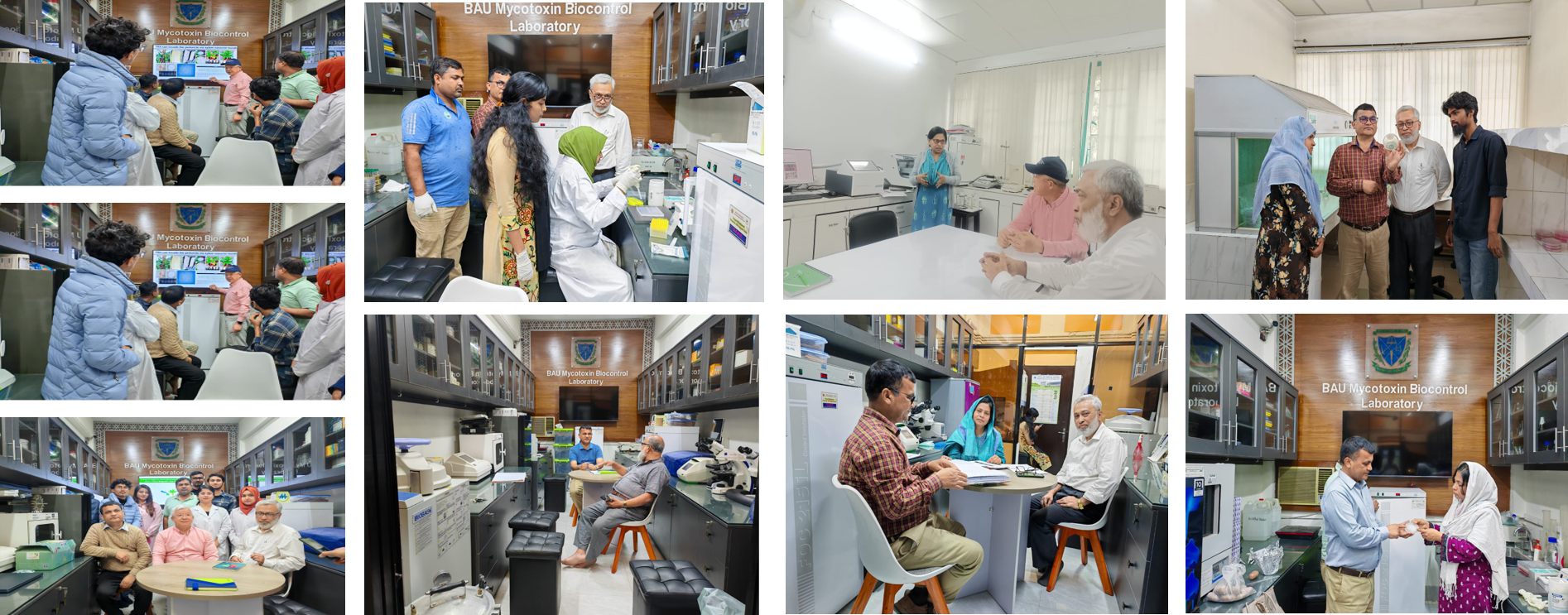
Validation of Loop-Mediated Isothermal Amplification (LAMP) for Rapid Diagnosis of Fusarium oxysporum f. sp. cubense Tropical Race 4 (Foc TR4) causing Fusarium Wilt of Banana
Banana is one of the important tropical fruits which is grown as cash crop by the smallholder farmers and is an important source of nutrients for the people in Bangladesh. Fusarium wilt (FW) of banana caused by Fusarium oxysporum f. sp. cubense tropical race 4 (Foc TR4) is one of the devastating diseases incurred huge losses to the farm families globally. In this study, the existence and prevalence of Foc TR4 were confirmed by PCR and Loop-Mediated Isothermal Amplification (LAMP) based rapid diagnosis was validated. A total of 354 Foc isolates were obtained from a total of 351 FW infected banana plant samples (pseudostem/rhizome) of different varieties collected from 34 districts a...
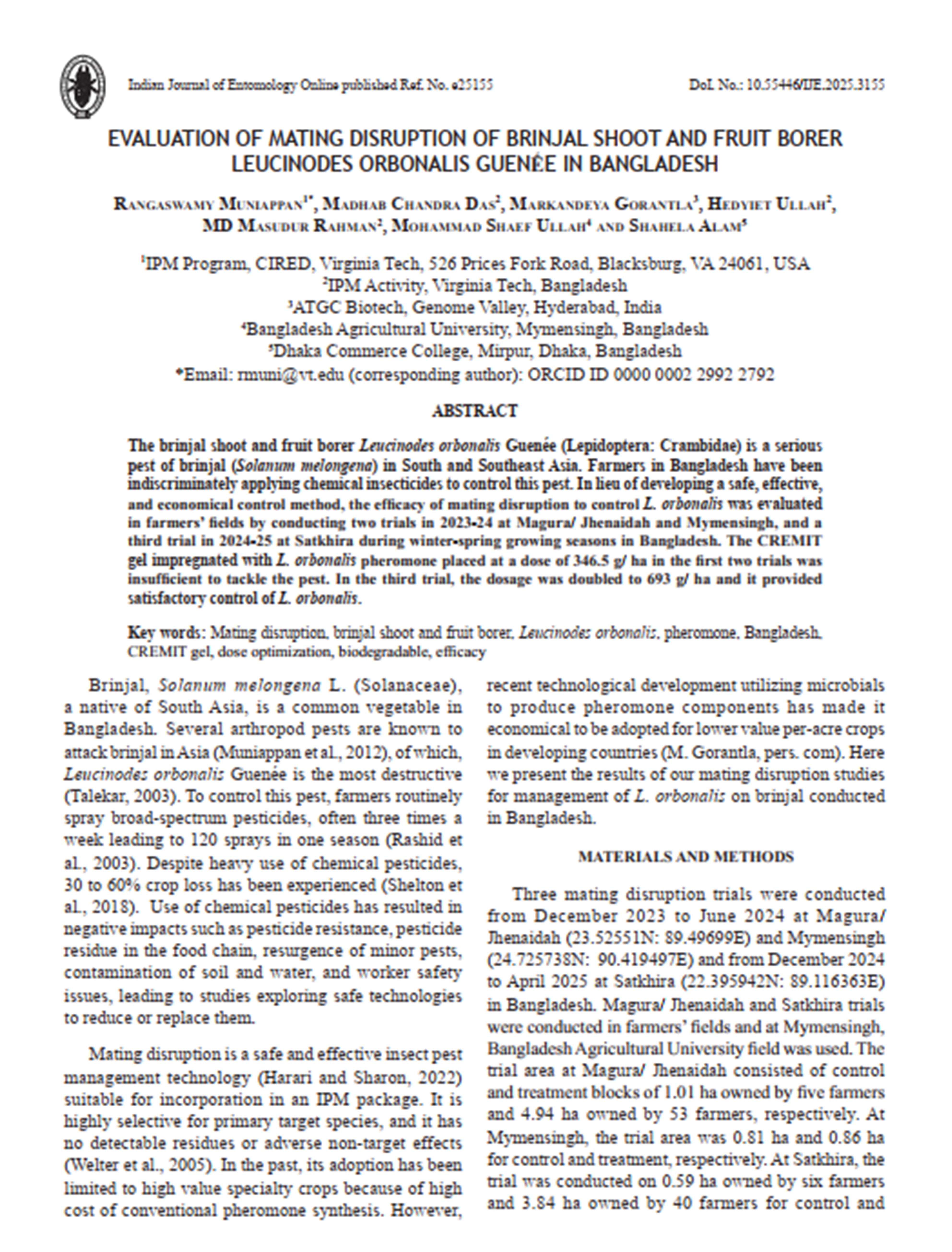
EVALUATION OF MATING DISRUPTION OF BRINJAL SHOOT AND FRUIT BORER LEUCINODES ORBONALIS GUENḖE IN BANGLADESH
The brinjal shoot and fruit borer Leucinodes orbonalis Guenée (Lepidoptera: Crambidae) is a serious pest of brinjal (Solanum melongena) in South and Southeast Asia. Farmers in Bangladesh have been indiscriminately applying chemical insecticides to control this pest. In lieu of developing a safe, effective, and economical control method, the efficacy of mating disruption to control L. orbonalis was evaluated in farmers’ fields by conducting two trials in 2023-24 at Magura/ Jhenaidah and Mymensingh, and a third trial in 2024-25 at Satkhira during winter-spring growing seasons in Bangladesh. The CREMIT gel impregnated with L. orbonalis pheromone placed at a dose of 346.5...
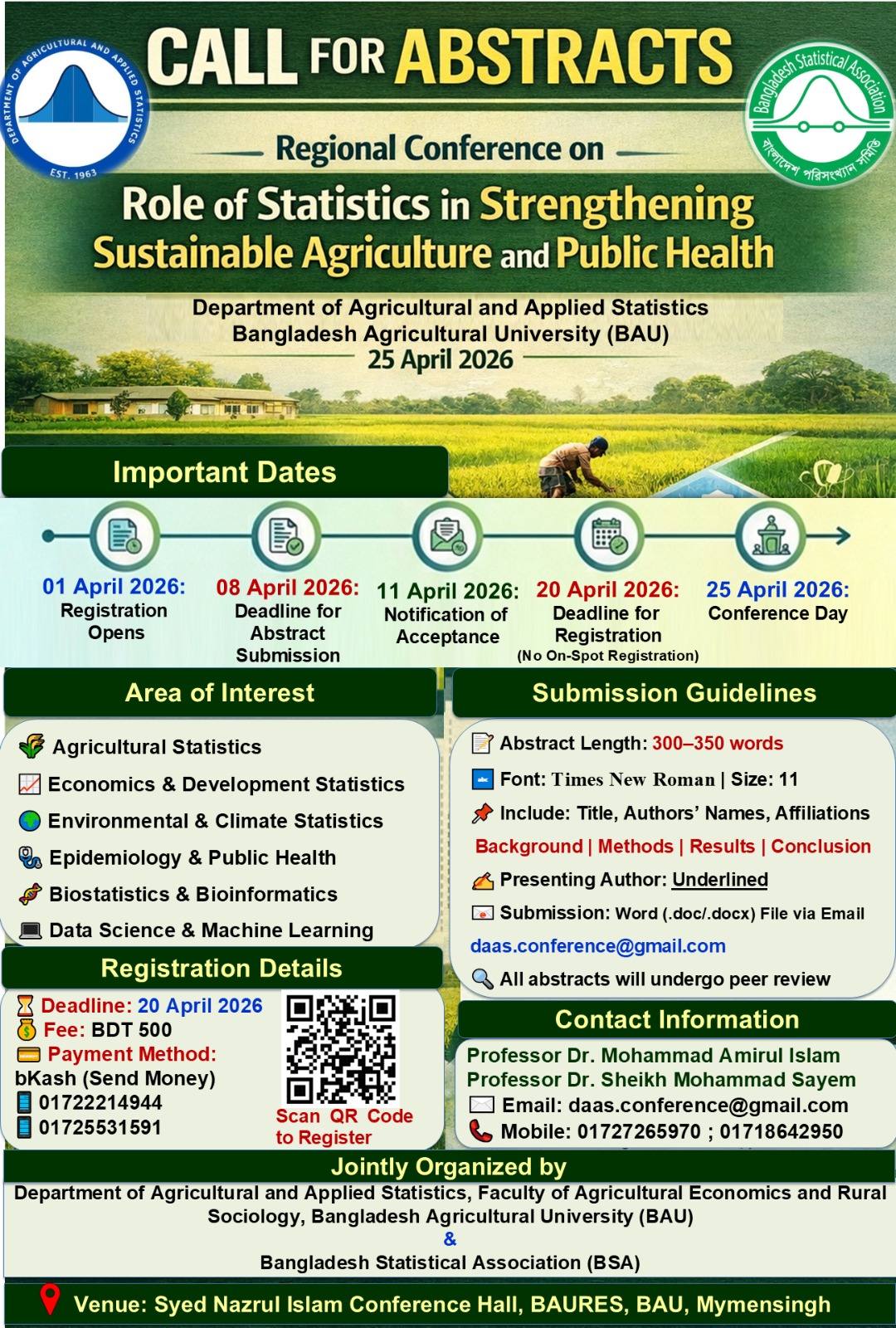
Role of Statistics in Strengthening Sustainable Agriculture and Public Health
Dear Sir/Madam, Call for Abstracts The Department of Agricultural and Applied Statistics, Bangladesh Agricultural University (BAU), Mymensingh-2202, in collaboration with the Bangladesh Statistical Association (BSA), is pleased to announce a Regional Conference on “Role of Statistics in Strengthening Sustainable Agriculture and Public Health.” We cordially invite researchers, academicians, statisticians, data scientists, and policymakers to submit abstracts for this conference, which will be held on 25 April 2026 (Saturday) at the Syed Nazrul Islam Conference Hall, BAURES, BAU, Mymensingh. Important Dates 01 April 2026: Registration Opens 08 April 20...

Rooftop and Surface Garden Soils in Bangladesh Harbor Diverse Resistome Profiles.
Hoque, M.N., Rana, M.L., Gilman, MAA., Pramanik, P.K., Islam, M.S.., Punom, S.A., Rahman, R., Hassan, J., Rahman, M.S., Ramasamy, S., Schreinemachers, P., Oliva, R., and Rahman, M.T. (2026). Rooftop and Surface Garden Soils in Bangladesh Harbor Diverse Resistome Profiles. Environmental Monitoring and Assessment. (2026) 198:396 Download IF 3.0 https://doi.org/10.1007/s10661-026-15240-1 Despite the growing expansion of urban agriculture, the diversity, composition, and antimicrobial resistance (AMR) profiles (i.e., resistome) of microbial communities in rooftop and surface garden soils in Bangladesh remai...

Shotgun metagenomic profiling reveals Bacillus-dominated bacterial communities in urban rooftop and surface garden soils of Bangladesh
Hoque, M.N., Rana, M.L., Gilman, MAA., Pramanik, P., Islam, M.S.., Punom, S.A., Rahman, R., Hassan, J., Islam, T., Ramasamy, S., Schreinemachers, P., Oliva, R., and Rahman, M.T. (2026). Shotgun metagenomic profiling reveals Bacillus-dominated bacterial communities in urban rooftop and surface garden soils of Bangladesh. PLOS ONE.21(3): e0344114. Download
The alarming rise of antimicrobial resistance in ICUs in Bangladesh: A silent emergency and the urgent need for national action
Islam, M.S., Ahmed, B., and Rahman, M.T. (2026). The alarming rise of antimicrobial resistance in ICUs in Bangladesh: A silent emergency and the urgent need for national action. Journal of Global Antimicrobial Resistance, Download IF 3.2
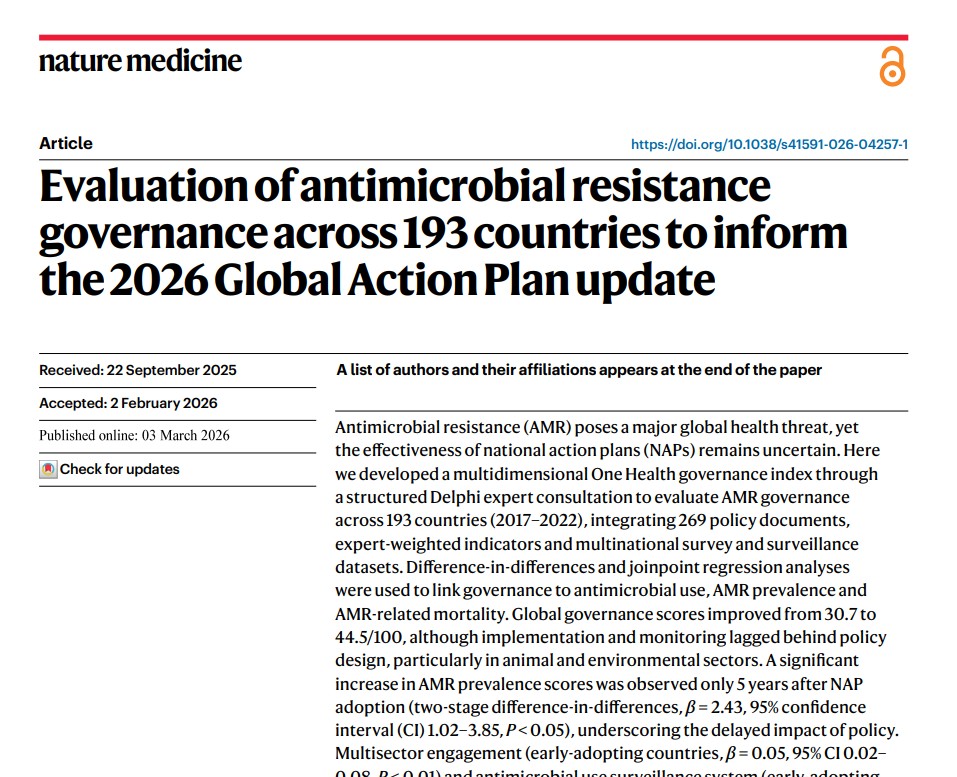
Evaluation of antimicrobial resistance governance across 193 countries to inform the 2026 Global Action Plan update.
Chen, W., Zeng,m Zheng, J., Wang, J., Gu, W., Li, M., Cheng, Z., Qian, J., Zhang, X., Kabali, E. Lv, C., Chen, Y., Yang, G., Zhou, N., Tan, X., Zhu, C., Tun, H.M., Mohsin, M., Rahman, M.T., Zhou, Z., Xiao, Y., Chen, H., Shi,C., Bergquist, R., Fitzgerald, R., Chen, S., Chang, Y., Zang, Y., Zhou, X., Guo, X., Utzinger, J., Song, J., Zhu, Y. (2026). Evaluation of antimicrobial resistance governance across 193 countries to inform the 2026 Global Action Plan update. Nature Medicine. https://doi.org/10.1038/s41591-026-04257-1, Download IF 50.0

Bangladesh Agricultural University Researchers Develop Integrated Biochar Production Stove
A research team from Bangladesh Agricultural University (BAU) has introduced a dual-purpose cooking appliance known as the “BAU Biochar Stove.” Funded by the Bangladesh Climate Change Trust (BCCT), the project was led by Prof. Md. Shahiduzzaman and supported by a multi-disciplinary group of scientists from the departments of Parasitology and Soil Science. This innovation allows for high-temperature domestic cooking while simultaneously generating organic charcoal through a specialized carbonization process. Currently undergoing field testing in the Mithapukur upazila of Rangpur, the technology represents a significant advancement in integra...
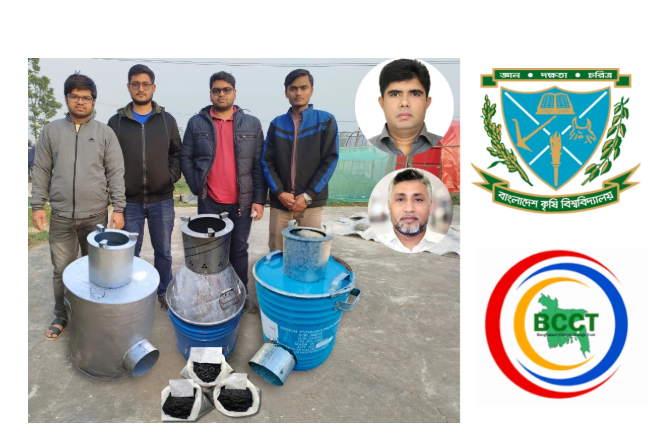
Biochar Stove
Bangladesh Agricultural University Researchers Develop Integrated Biochar Production Stove A research team from Bangladesh Agricultural University (BAU) has introduced a dual-purpose cooking appliance known as the “BAU Biochar Stove.” Funded by the Bangladesh Climate Change Trust (BCCT), the project was led by Prof. Md. Shahiduzzaman and supported by a multi-disciplinary group of scientists from the departments of Parasitology and Soil Science. This innovation allows for high-temperature domestic cooking while simultaneously generating organic charcoal through a specialized carbonization process. Currently undergoing field testing in the M...

Bangladesh Agricultural University Inaugurates Advanced Genome Editing Lab
As a result of the far-reaching plans, scientific proposals and continuous research initiatives of the Department of Animal Breeding and Genetics of Bangladesh Agricultural University, a newly built state-of-the-art and specialized "In Vitro Culture and Genome Editing Lab" for modern and up-to-date education and research in genetics was officially inaugurated today.With the overall cooperation of the university administration and the support of KGF, BAS-USDA and ATF-HEAT projects, the infrastructure and necessary facilities of the lab have been developed following international standards and biosafety principles. This is the first such specialized clean lab in Bangladesh with moder...
Reforming Tertiary Examination Systems in Bangladesh: Towards a Competency-Based, Inclusive, and Equitable Future
Reforming Tertiary Examination Systems in Bangladesh: Towards a Competency-Based, Inclusive, and Equitable Future Zawad Rami*1, Md. Arif Khan Pathan2, Deb Proshad Halder3, Muhammad Shajedul Arifeen4, Hosam Shatnawi5 1 2 4Department of Languages, Bangladesh Agricultural University 3 Department of English, Bangladesh National University 5 Department of Linguistics, Delhi University DOI: https://dx.doi.org/10.47772/IJRISS.2025.910000443 ABSTRACT A remarkable change in Bangladesh’s tertiary examination system is now in urgent demand. Competency, Inclusivity, and Equity are essential elements in education and are required to be applied today. By considering all thes...

mpact of Open Markets on Zoonotic Threats and Antimicrobial Resistance: A One Health Concern
Hasan, M.A.E. Islam, M.S., Fahim, N.A.I., Antor, H., Salam, S., Jahan, R., Masud, R.I., Bakhtiyar, Z.,Jany, D.A., Rana, M.L., Punom, S.A., Rahman, A.M.M.T., and Rahman, M.T. (2025). Impact of Open Markets on Zoonotic Threats and Antimicrobial Resistance: A One Health Concern. Accepted in One Health. October 2025, 101228, Download IF 4.5 Open markets play a significant role in global food distribution, particularly in East and Southeast Asia, where fresh produce, seafood, and live animals are commonly sold. However, they pose significant public health risks by facilitating the transmission of zoonotic pathogens and contributing to the spread of antimicr...

revalence of extended-spectrum beta-lactamase producingEnterobacteriaceae isolated from animals in Bangladesh: A systematicreview and meta-analysis.
Rahman, A., Mimi, A., Antor, MTH., Bakhtiya, Z., Hasan, MAE., Fahim, NAI., Jany, D.A., and Rahman, M.T. (2025). Prevalence of extended-spectrum beta-lactamase producingEnterobacteriaceae isolated from animals in Bangladesh: A systematicreview and meta-analysis. One Health 11 October 2025, 101237. Download IF 4.5 Background: The emergence of antimicrobial resistance, particularly caused by β-lactamase-producing species within the Enterobacteriaceae family, has become a significant worldwide health concern. This study focuses on quantifying the overall prevalence of extended-spectrum β-lactamase-producing Enterobacteriaceae (ESBL-PE) in anima...

PhD Fellowship in Sustainable Fisheries & Climate Resilience at BAU
PhD Fellowship in Sustainable Fisheries & Climate Resilience Project: Assessing GHG Emissions and Carbon Sequestration in Bangladesh’s Haor Ecosystem, and Implementing Climate-Resilient Farming (Funded by: BCCTF) Host Institution: Department of Fisheries Management, Bangladesh Agricultural University (BAU), Mymensingh, Bangladesh Position Summary: Applications are invited for one (01) full-time Doctoral Research Fellow to work on the fisheries component of an integrated climate change project. The research will focus on developing climate-resilient, low-carbon fisheries and aquaculture practices in the vulnerable Haor ecosystem of Bangladesh. Research Focus: The...
Land management for improving soil health and environmental quality: Can we achieve synergies?
Land management encompasses the management of soils, nutrients, crops, and water. When poorly implemented, such practices degrade soil productivity and increase soil and nutrient losses to water and air, thereby impairing environmental quality. Today, enhancing soil health and environmental quality are widely recognized as two fundamental objectives of sustainable land management. However, research efforts often address these goals separately, with soil- and water-/or gas-focused studies proceeding in parallel. Increasingly, stakeholders call for a better understanding of the synergies between soil health and environmental quality, as well as the management practices that can deliv...
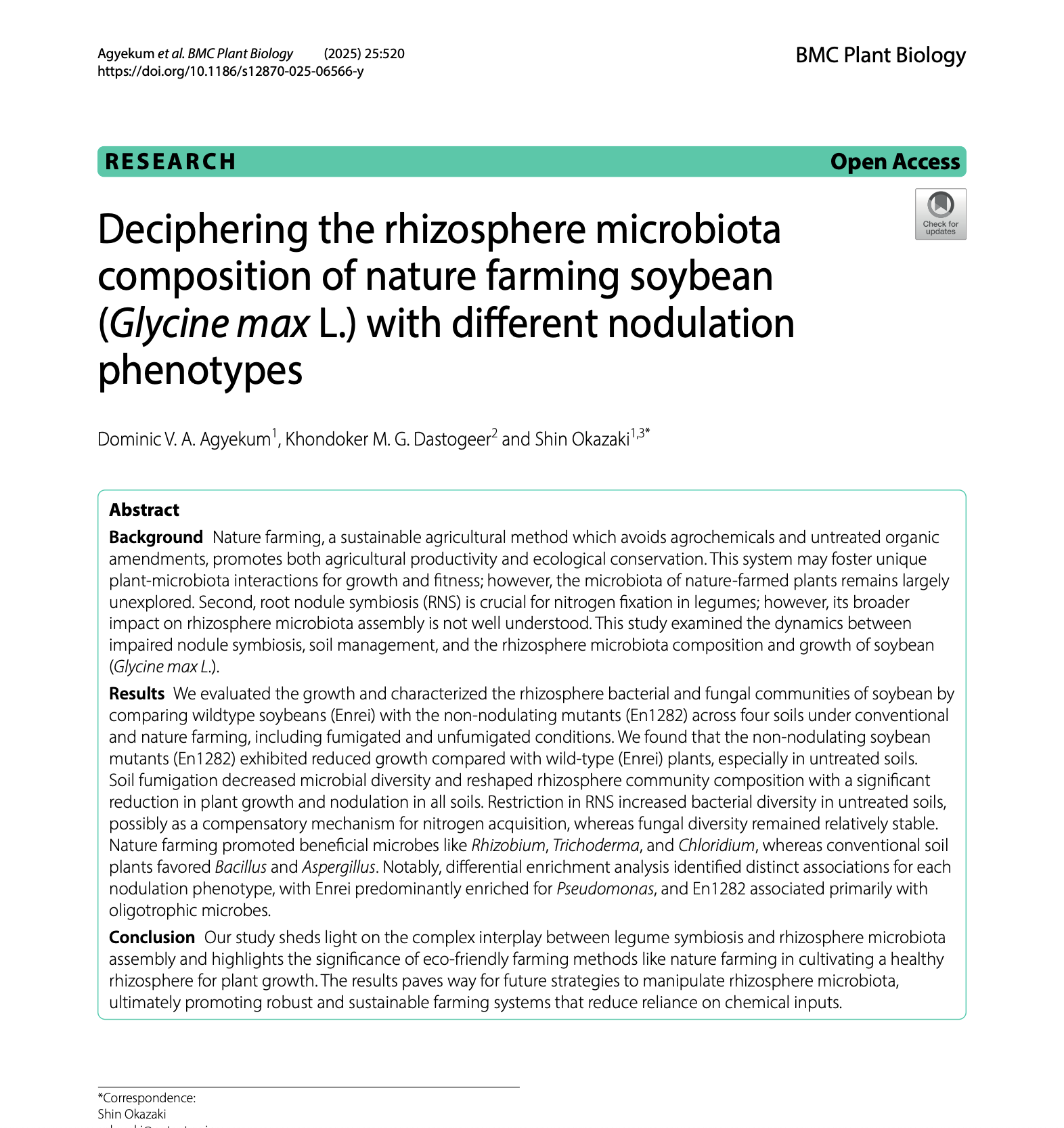
Deciphering the rhizosphere microbiota composition of nature farming soybean (Glycine max L.) with different nodulation phenotypes
Abstract Background Nature farming, a sustainable agricultural method which avoids agrochemicals and untreated organic amendments, promotes both agricultural productivity and ecological conservation. This system may foster unique plant-microbiota interactions for growth and fitness; however, the microbiota of nature-farmed plants remains largely unexplored. Second, root nodule symbiosis (RNS) is crucial for nitrogen fixation in legumes; however, its broader impact on rhizosphere microbiota assembly is not well understood. This study examined the dynamics between impaired nodule symbiosis, soil management, and the rhizosphere microbiota composition and growth of soybean (Glycine...

An Evaluation of Examination System at Tertiary Level: An Empirical Case Study in Bangladesh
An Evaluation of Examination System at Tertiary Level: An Empirical Case Study in Bangladesh Rami, Zawad. Aligarh Muslim University ProQuest Dissertations & Theses, 2024. 31639499. Abstract Translate The focus of this thesis is an investigation into the Bangladeshi examination systems in institutions of higher learning, regarding their effectiveness, fairness, and positioning related to the international standard. The study discusses the historical evolution of these systems, contrasting the traditional pure memorization-based approach against the modern prac...

Mapping Holistic Growth: Developing a Comprehensive Student Development Scale
Mapping Holistic Growth: Developing a Comprehensive Student Development Scale Zawad Rami, Apoorva Bhan, Prem Vijoy, Mayura Bijale, Vandna Sharma Abstract This paper describes the construction and psychometric testing of a multidimensional student development instrument designed to measure growth in multiple domains. The research was aimed at developing a measurement framework that would allow for the evaluation of cognitive, emotional, social, and ethical development, at developing and validating a scale based on this framework to ensure the scale’s construct validity and internal consistency, as well as at examining the practical use of the s...
Exploring Nuances in Second Language Acquisition: An Error Analysis Perspective
Exploring Nuances in Second Language Acquisition: An Error Analysis Perspective Authors Dr. Mohammad Kamrul Hassan Zawad Rami DOI: https://doi.org/10.59670/ml.v21i4.7319 Abstract This study employs error analysis as a pivotal lens to scrutinize the intricacies of second language learning, emphasizing the unique accents manifested through learners’ mistakes. Departing from the confines of contrastive analysis, the research aims to illuminate the processes of acquiring a second language. Key facets of language acquisition, including transfer, interference, and the fossilization process, are investigated to provide insights into the development of le...
Pedagogy of Communicative and Technical English for Engineering Students at Tertiary Level: A Case Study in Bangladesh
Pedagogy of Communicative and Technical English for Engineering Students at Tertiary Level: A Case Study in Bangladesh Authors Zawad Rami Dr. Mohammad Kamrul Hassan Hosam Shatnawi DOI: https://doi.org/10.59670/ml.v20iS8.6429 Abstract Pedagogy refers to the manner and exercise of teaching, emphasizing an academic subject or theoretical concept. This paper explored the Pedagogy of Communicative and Technical English for Engineering Students at the Tertiary Level in Bangladesh. Furthermore, this paper investigated to demonstrate the holes between students’ existing level of competence and intended needs. This study imitated the quantitative approach...

Aligarh Muslim University's Role in Shaping the Career of Bangladeshi Students
Abstract Bangladesh is one of the neighbouring countries of India, from where more than 20 thousand students have completed their academic careers in different subjects since 1875. Many prominent figures have repeatedly delighted AMU in Bangladesh with their historical role and luminous professions. Bangladeshi old ALIGS students have performed as a Prime minister, Army Chief, and Famous writers and are still occupying prestigious posts like Vice Chancellors, Professors of different prominent universities, Engineers in various fields, lawyers, bankers, journalists, politicians, and many other respected posts in Bangladesh. How to Cite: Taher,...
ANALYSIS OF ERRORS IN PARTS OF SPEECH IN LEARNING ENGLISH AS A SECOND LANGUAGE [WITH SPECIAL REFERENCE TO BENGALI LANGUAGE]
ABSTRACT Errors were no longer considered filthy signs of failure in teaching and learning. It is to eliminate anyhow rather they were seen as a necessary part of the language learning process. The study of L2 learners language includes what types of errors learners make in learning L2?, how their errors show their TL knowledge and ability to use the TL?, how L2 learners develop their interlanguage? And what factors influence their interlanguage? Several issues have been raised by the early researchers concerning the relationship of the L1 to the L2. They are: - the concept of Interference, the concept of Bilingualism and the Nature of L2 Learner’s Grammar. As many studies a...

Detection of avian pathogenic Escherichia coli (APEC) and antimicrobial resistance in layer parent stock in Bangladesh: Insights into phenotypic and genotypic profiles
Atiq, N., Ullah, M.A., Chakroborty, N., Rana, M.L., Ferdous, F.B., Sobur, M.A., Khan, MFR., Rahman, M.T. (2025). Detection of Avian Pathogenic Escherichia coli (APEC) and Antimicrobial Resistance in Layer Parent Stock in Bangladesh: Insights into Phenotypic and Genotypic Profiles . Research in Veterinary Science. 2025, 105810 Download IF 1.8 https://www.sciencedirect.com/science/article/abs/pii/S003452882500284X?via%3Dihub Highlights • First study in Bangladesh on Escherichia coli in layer parent stock • Escherichia coli was found in 82 % of samples from live and dead birds. • All isolates were mult...

Biofilms and antibiotic resistance profile of Enterococcus faecalis in selected dairy cattle farm environments in Bangladesh
Fahim, NAI., Rana, ML., Hasan, MAE., Salam, S., Masud, R.I., Huda, N., Saha, S., and Rahman, M.T. (2025). Biofilms and antibiotic resistance profile of Enterococcus faecalis in selected dairy cattle farm environments in Bangladesh. PLOS ONE. 20(5): e0323667 Download Abstract Enterococci are opportunistic zoonotic pathogens. Dairy cattle and farm environments are considered important sources of Enterococcus spp. Here, we detected biofilm-forming Enterococcus faecalis circulating in dairy cattle and farm environments, followed by the detection of their virulence genes, antibiogram phenotype analysis, and genotype characterizati...
An analysis of factors affecting farmers’ capacity building for sustainable rural and agricultural development in Bangladesh
The government of Bangladesh undertook National Agricultural Technology Program (NATP) for sustainable socio-economic development through common interest group (CIG) approach. This program aims to build farmers’ capacity to embrace improved agricultural technologies with a view to improving agricultural productivity, and farmers’ income. Generally, the farmers of CIG are involved in similar farming practices, share common needs, and interests within the same vicinity. The main objective of this study is to assess how the institutional policies of NATP (phase II) affect farmers’ capacity building in Trishal upazila, a sub-district primarily composed of resource-poo...
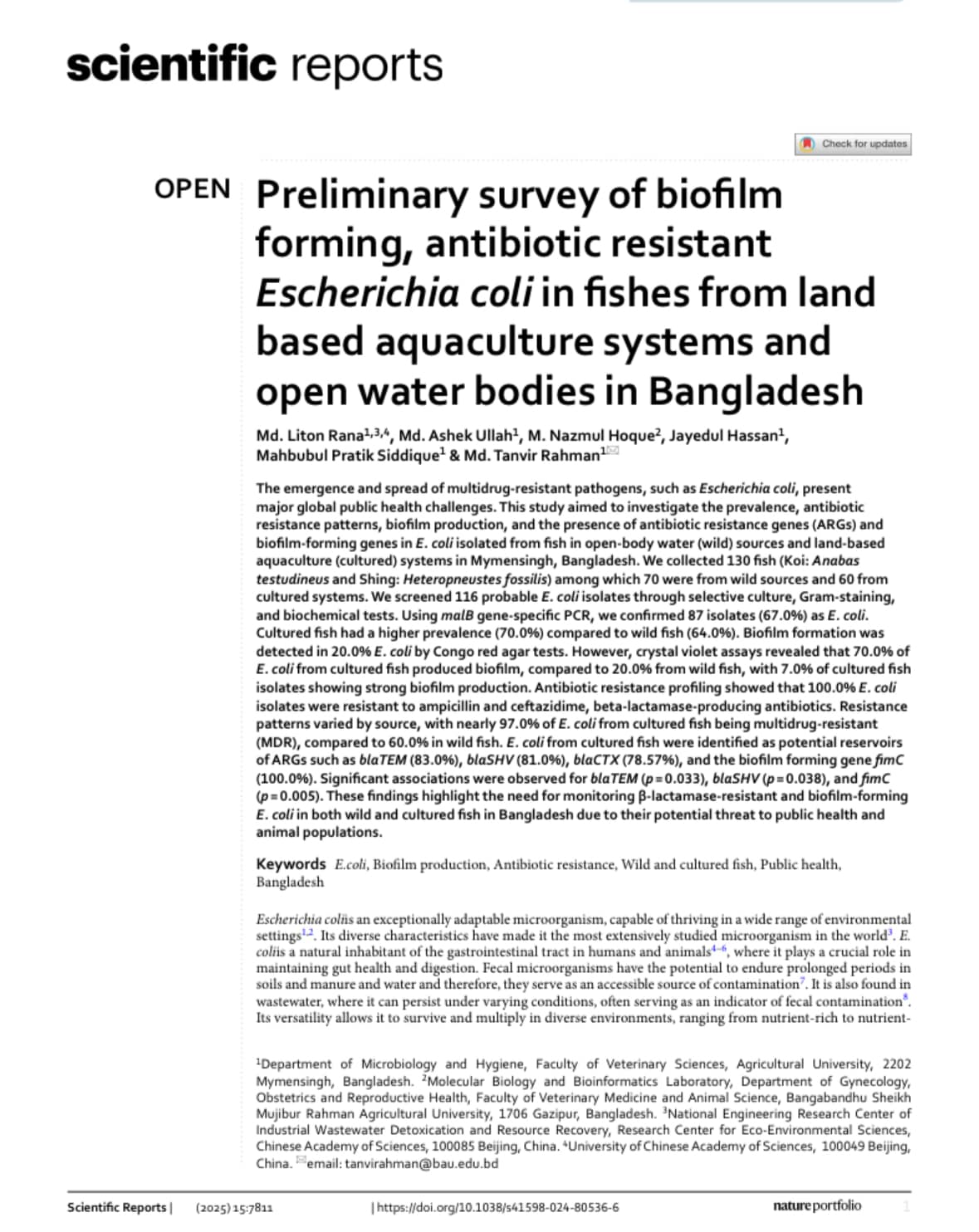
Preliminary survey of biofilm forming, antibiotic resistant Escherichia coli in fishes from land based aquaculture systems and open water bodies in Bangladesh
Rana, M.L., Ullah, M.A., Hoque, M.N., Hassan, J., Siddique, M.P., and Rahman, M.T. (2025). Preliminary survey of biofilm forming, antibiotic resistant Escherichia coli in fishes from land based aquaculture systems and open water bodies in Bangladesh. Scientific Reports. (2025) 15:7811 Download https://rdcu.be/ecwRE Abstract The emergence and spread of multidrug-resistant pathogens, such as Escherichia coli, present major global public health challenges. This study aimed to investigate the prevalence, antibiotic resistance patterns, biofilm production, and the presence of antibiotic resistance genes (ARGs) and biofilm-forming genes in ...

Prevalence and antibiotic resistance of Escherichia coli in urban and peri-urban garden ecosystems in Bangladesh
Pramanik, P.K., Hoque, M.N., Rana, M.L., Islam, M.S., Ullah, M.A., Neloy, F.H., Ramasamy, S., Schreinemachers, P., Oliva, R., and Rahman, M.T. (2024). Prevalence and antibiotic resistance of Escherichia coli in urban and peri-urban garden ecosystems in Bangladesh. PLOS ONE 20(2): e0315938 Download. IIF 2.9 https://journals.plos.org/plosone/article?id=10.1371/journal.pone.0315938 n the past decade, there has been a notable rise in foodborne outbreaks, prominently featuring Escherichia coli as a primary pathogen. This bacterium, known for its prevalence in foodborne illnesses and as a reservoir of antimicrobial resistance, was...

Migratory Wave due to Conflicts: Risk of Increased Infection From Zoonotic Diseases
Tazerji, S. S.; Duarte, P. M.; Gharieb, R.; Szaarpak, L.; Pruc, M.; Rahman, M. T.; Rodriguez-Morales, A. J.; Ilyas, M. F.; Ferreira, M. N. S.; Malik, Y. S.; Kalantari, T. T. R.; Shahrokhabadi, A.; Jafari, N.; Shahabinejad, F.; Maleki, Y.; Montajeb, S.; Mehrpouya, R.; Ahmadi, H.; Vazir, B.; Kabir, I.; Rehman, A.; Elmi, Z.; Hajipour, P.; EI-Seedi, H.R.; Eisenreich, W.; and Shehata, A.A. (2025). Migratory Wave due to Conflicts: Risk of Increased Infection From Zoonotic Diseases. Transboundary and Emerging Diseases. Article ID 5571316, doi.org/10.1155/tbed/5571316 Download IF 3.5 Abstract Wars have devastating e...

Resident Wild Birds: A Potential Source for Fluoroquinolone-resistant E. coli.
Neloy, F.H., Rana, M.L., Punom, S.A., and Rahman, M,T. (2024). Resident Wild Birds: A Potential Source for Fluoroquinolone-resistant E. coli. Journal of Science Technology and Research, 06 (1): 83-88; Download Antibiotic resistance, commonly known as antimicrobial resistance, is a major global health concern. In Bangladesh, resident wild birds such as the house crow, common myna, and house sparrow can be found near human settlements all year. As a result, these birds could carry fluoroquinolone-resistant Escherichia coli. We collected 134 freshly dropped fecal samples for this study. E. coli was confirmed using morphological characteristics fr...

Genomic insights into the probiotic potential and genes linked to gallic acid metabolism in Pediococcus pentosaceus MBBL6 isolated from healthy cow milk
Rahman, M.M., Siddique, N., Hasnat, S., Rahman, M., Rahman, M.T., Alam, M., Das, Z.C., Hoque, M.N., and Islam, T. (2024). Genomic Insights into the Probiotic Potential and Genes Linked to Gallic Acid Metabolism in Pediococcus pentosaceus MBBL6 Isolated from Healthy Cow Milk. PLOS ONE. 19(12): e0316270. IF 2.9 Download Pediococcus pentosaceus is well known for its probiotic properties, including roles in improving health, antimicrobial production, and enhancing fermented food quality. This study aimed to comprehensively analyze the whole genome of P. pentosaceus MBBL6, isolated from healthy cow milk, to assess its probiotic and antimicrobial potentials. P....

Role of ornamental birds in the transmission of zoonotic pathogen and AMR: A growing public health concern
Masud , R.I., Jahan , R., Bakhtiyar , Z., Antor , M.T.H., Jany, D.A., Fahim, N.A.I., and Rahman, M.T., 2024. Role of ornamental birds in the transmission of zoonotic pathogen and AMR: A growing public health concern. German Journal of Microbiology. 4(3): 45-55 Download Globally, ornamental birds are gaining popularity as exotic pets because of their high aesthetic value. Although keeping ornamental birds is a thousand-year-old tradition, in recent years, the market size has increased notably, and the population of ornamental birds is increasing tripinnately. However, serious public health concerns about their growing domestication and commerce ex...

Genomic Insights Into a Strong Biofilm‐Forming Enterococcus faecalis MTR_EFS01 Strain Isolated From a Shrimp in Bangladesh
Ullah, M.A., Islam, M.S., Rana, M.L., Hassan, J., and Rahman, M.T. (2025). Genomic Insights into a Strong Biofilm-Forming Enterococcus faecalis MTR_EFS01 Strain Isolated from a Shrimp in Bangladesh. Animal Research and One Health. , 2025; 00:1–10 Download ABSTRACT Enterococcus faecalis is known for its ability to form strong biofilms and its role as an opportunistic pathogen. In this study, we screened and characterized a multidrug‐resistant (MDR) and strong biofilm‐forming E. faecalis isolate obtained from a shrimp sample to determine its genetic diversity, molecular epidemiology, and underlying factors associated with antimicrobia...
Conservation Agriculture for Sustainable Crop Productivity and Economic Return for the Smallholders of Bangladesh: A Systematic Review
Agricultural farming is a complicated system that involves continuous interactions among its multiple components over a period of time. The series of activities involved in farming practices have enormous contributions to ensure food security for the humanity. With the passage of time, agriculture sector faces diversified challenges like high food demand of rapidly growing population, scarcity of available resources and adverse effect of climate change. In developing countries like Bangladesh, food sufficiency is mostly achieved through intensive farming which has detrimental effects on natural resources, surrounding environment, and the whole ecosystem. The review attempts to disc...

Bangladesh Agricultural University Released Rapeseed-Mustard Varieties
বাংলাদেশ কৃষি বিশ্ববিদ্যালয় উদ্ভাবিত সরিষার জাত সমূহ জাত বৈজ্ঞানিক নাম বৈশিষ্ট্য সাল প্রধান গবেষক সম্পদ Brassica campestris স্বল্পজীবনকালীন, হলুদ বীজ ১৯৮১ ড. লুৎফুর রহমান সম্বল Brassica juncea স্বল্পজীবনকালীন, বাদামী বীজ ১৯৮৪ বাউ সরিষা-১ Brassica juncea লবণাক্ততাসহিষ্ণু ২০২০ ড. লুৎফুল হাসান বাউ সরিষা-২ বাউ সরিষা-৩ বাউ সরিষা-৪ Brassica juncea অলটারনারিয়া ব্লাইট প্রতিরোধী...
Role of farmer information and advice center in technology transfer and farm business development of smallholder farmers: Insights from Bangladesh
The Farmer Information and Advice Centers (FIACs) are currently working to provide one-stop agricultural advisory services, including climate-friendly agriculture, to farming communities in rural Bangladesh, but their role has yet to be explored. Therefore, the aim of this study is to assess the role of FIACs in providing need-based extension services to the farming communities to create social innovation through transforming smallholders’ agriculture into a farm business in rural Bangladesh. This study was conducted in Kishoreganj district, Bangladesh. The data were collected by questionnaire survey, semi-structured interviews, and focus group discussions (FGD). Both quantit...
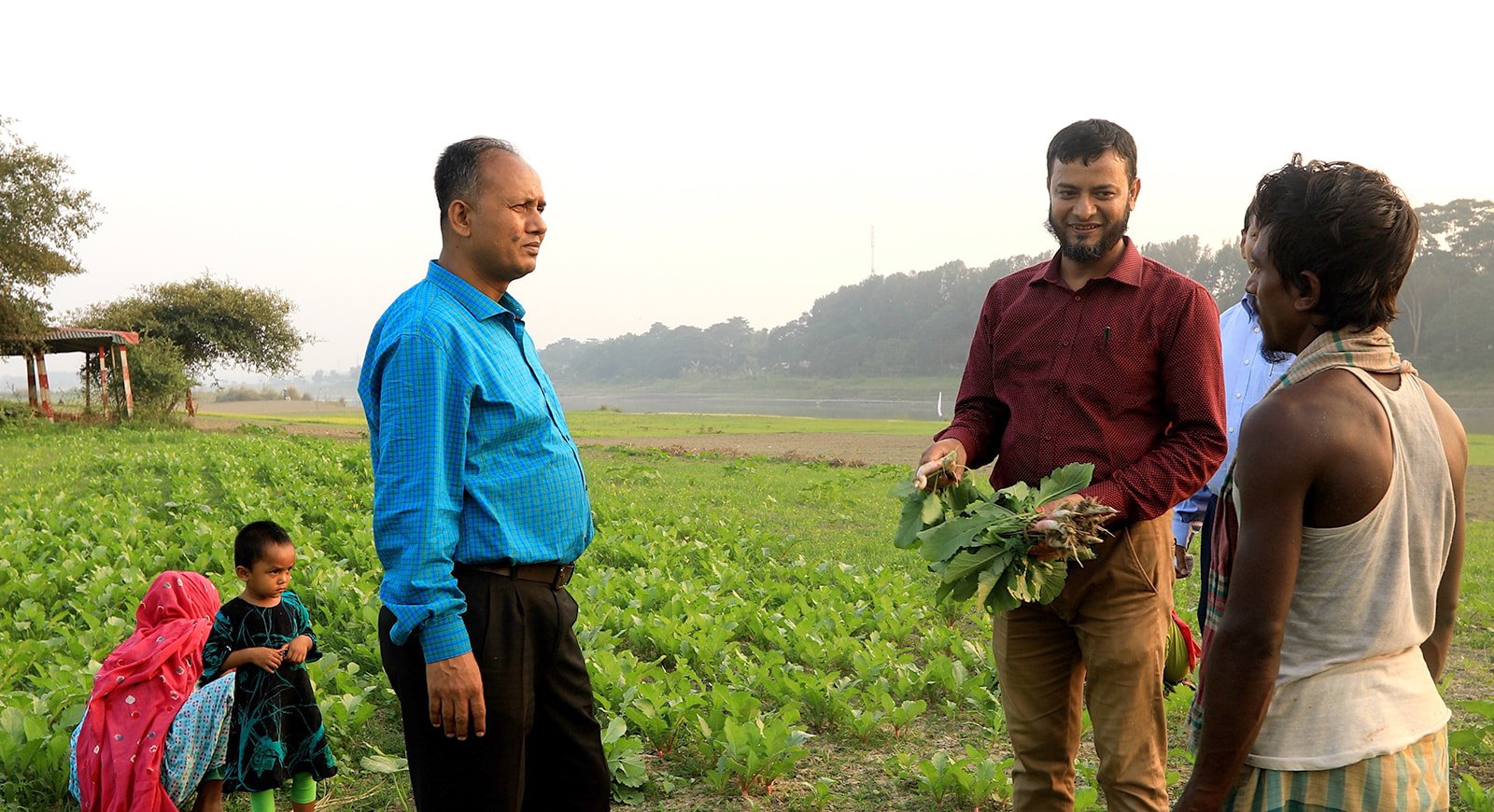
Bridging The Gap - Dr Md. Wakilur Rahman
https://www.une-icb.com/journal/bridging-the-gap Md. Wakilur Rahman is a Professor of Rural Sociology at the Bangladesh Agricultural University and a fellow of the Australian Centre of International Agricultural Research’s (ACIAR) John Dillon Fellowship (JDF) Bangladesh Cohort. ‘My work focuses on food security and community development. Promoting an ethical community engagement approach towards sustainable community development. As the work of my institution continues to document the meaningful transformation of smallholder farming in Bangladesh.’ As impacts of the COVID-19 pandemic climate change continue to affect the small holder farming c...

One Health: A must-needed approach for dealing with Monkeypoxpox.
Islam, M.,S., Rahman, AMMT., and Rahman, M.T. (2024). One Health: A must-needed approach for dealing with Monkeypoxpox. Journal of Research in Veterinary Sciences. 3(2): 52-55 Download Monkeypox (Mpox), a zoonotic disease like smallpox, is caused by the monkeypox virus and transmitted to humans via infected animals or contaminated materials. Human-to- human transmission occurs through respiratory droplets or contact with infected bodily fluids and objects. Symptoms include fever, headache, muscle aches, and a rash, with severe cases leading to pneumonia, meningitis, and encephalitis. First identified in mon- keys in 1958 and humans in 1970, Mpox ha...

Genomic insights of a methicillin-resistant biofilm-producing Staphylococcus aureus strain isolated from food handlers
Ballah, F.M., Hoque, M.N., Islam, M.S., Faisal , G.W., Rahman, AMMT., Khatun, M.M.,Rahman, M., Hssan, J., and Rahman, M.T. (2024). Genomic insights of a methicillin-resistant biofilm-producing Staphylococcus aureus strain isolated from food handlers. BioMed Research International. Volume 2024, Article ID 5516117, Download IF 2.5 Methicillin-resistant Staphylococcus aureus (MRSA) is an important zoonotic pathogen associated with a wide range of infectionsin humans and animals. Thus, the emergence of MRSA clones poses an important threat to human and animal health. This studyis aimed at elucidating the genomics insights of a strong biofilm-producing and...
Soil bacteriome diversity and composition of rooftop and surface gardens in urban and peri-urban areas of Bangladesh. Environmental Monitoring and Assessment. 196:729
Rana, M.L., Hoque, M.N., Pramanik. P.K., Islam, M.S. Rahman, M.S., Ramasamy, S., Schreinemachers, P., Oliva, R., and Rahman, M.T. (2024). Soil bacteriome diversity and composition of rooftop and surface gardens in urban and peri-urban areas of Bangladesh. Environmental Monitoring and Assessment. 196:729 Abstract Soil microbiome science, rapidly evolving, predominantly focuses on feld crop soils. However, understanding garden soil microbiomes is essential for enhancing food production sustainability in garden environments. This study aimed to unveil the bacteriome diversity and composition in rooftop garden soils (RGS) and surface garden soils (SGS) across urban...
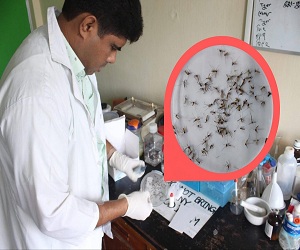
সরাসরি মশায় ডেঙ্গুর উপস্থিতি পরীক্ষা বাকৃবি গবেষকের
সাম্প্রতিক সময়ে বছরজুড়ে দেখা দিয়েছে ডেঙ্গু আতঙ্ক। প্রতিদিনই কেউ না কেউ ডেঙ্গুতে আক্রান্ত হচ্ছে। ডেঙ্গুজ্বর হলে মাথাব্যথা, বমি, পেশিতে ও গাঁটে ব্যথা এবং চামড়ায় ফুসকুড়ি দেখা দেয়। দুই থেকে সাত দিনের মাঝে সাধারণত ডেঙ্গু রোগী আরোগ্য লাভ করলেও কিছু কিছু ক্ষেত্রে রোগটি মারাত্মক রক্তক্ষয়ী রূপ ধারণ করে। এমনকি মৃত্যু পর্যন্ত হতে পারে। বৈশ্বিক উষ্ণায়নের কারণে যেমন মশার প্রজনন বেড়েছে তেমনি জনসংখ্যা ও বাসস্থান বাড়ার কারণে এডিস মশার প্রজননের স্থানও বৃদ্ধি পেয়েছে। এক সময়ে ঢাকা ও চট্টগ্রামে ডেঙ্গুর প্রকোপ থাকলেও তা ক্রমান্বয়ে দেশের বিভিন্ন অঞ্চলে ছড়িয়ে পড়ছে। এর ফলে দেশের বিভিন্ন অঞ্চলের এডিস মশাতে ডেঙ্গুর ভাইরাসটি ছড়িয়ে পড়েছে। এসব মশা থেকে ডেঙ্গু মহামারি আকার ধারণ করতে পারে। ত...

Preliminary report on the comparative weed suppressibility of Bangladeshi Wheat varieties
A key and ecologically sound strategy for integrated weed management is the use of varieties of weed-competitive crops. Utilizing wheat cultivars that are weed-competitive can lessen weed pressure and inordinate herbicide usage in wheat fields by a substantial amount. To assess the weed suppressibility of Bangladeshi wheat varieties, a field test was carried out in 2018 throughout the winter season at the Agronomy Field Laboratory, Bangladesh Agricultural University, Bangladesh. Tests on a total of 18 selected Bangladeshi wheat cultivars were conducted in both “weedy” and “weed-free” environments. Additionally, weed monoculture plots (without wheat) w...

Millets: The future crops for the tropics - Status, challenges and future prospects
Millets are small-grained nutritious minor cereal crops that are resistant to different abiotic stresses resulting from climate change. Despite their many benefits, millets have received limited attention in agricultural research, policies, and markets. Considering the importance of millets, recently the government many tropical countries including India and Bangladesh give more emphasis to millets cultivation and improvement. Moreover, Food and Agricultural Organization of the United Nations (FAO) declared 2023 to be the “International Years of Millets”. In these connections, a details and updated review of the pros and cons of millets cultivation and its improvement i...
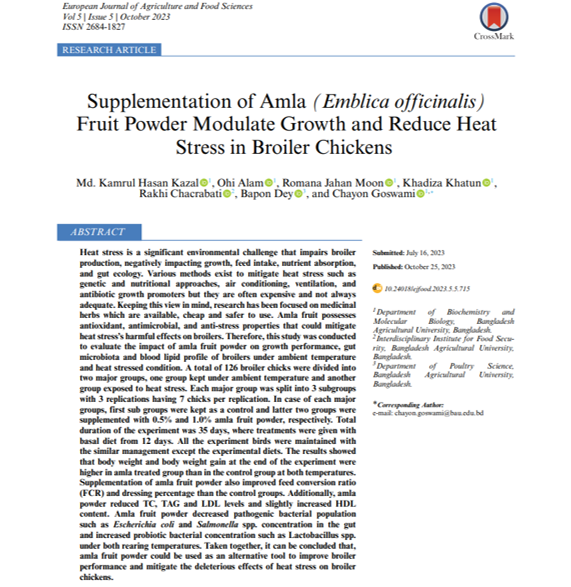
Supplementation of Amla (Emblica officinalis) Fruit Powder Modulate Growth and Reduce Heat Stress in Broiler Chickens
Heat stress is a significant environmental challenge that impairs broiler production, negatively impacting growth, feed intake, nutrient absorption, and gut ecology. Various methods exist to mitigate heat stress such as genetic and nutritional approaches, air conditioning, ventilation, and antibiotic growth promoters but they are often expensive and not always adequate. Keeping this view in mind, research has been focused on medicinal herbs which are available, cheap and safer to use. Amla fruit possesses antioxidant, antimicrobial, and anti-stress properties that could mitigate heat stress’s harmful effects on broilers. Therefore, this study was conducted to evaluate the imp...
_Md__Masud_Rana.jpg)
Factors influencing livelihood conditions of farmers in Bangladesh: empirical study introducing structural equation modeling analysis
This study aimed to clarify the impact of National Agricultural Technology Program (phase I) through the approach of common interest group (CIG) on livelihood conditions of resource-poor farmers who have limited income earning opportunities with high dependency on agriculture in Bangladesh. To achieve the purpose of our research, we incorporated structural equation modeling (SEM) based on data collected from questionnaire surveys targeting members of CIG in Trishal Upazila (sub-district) of Mymensingh District. The findings of our study clearly showed that educational qualifications, farm size, farming experiences, group affiliation, effective use of credit, and subsidies received...
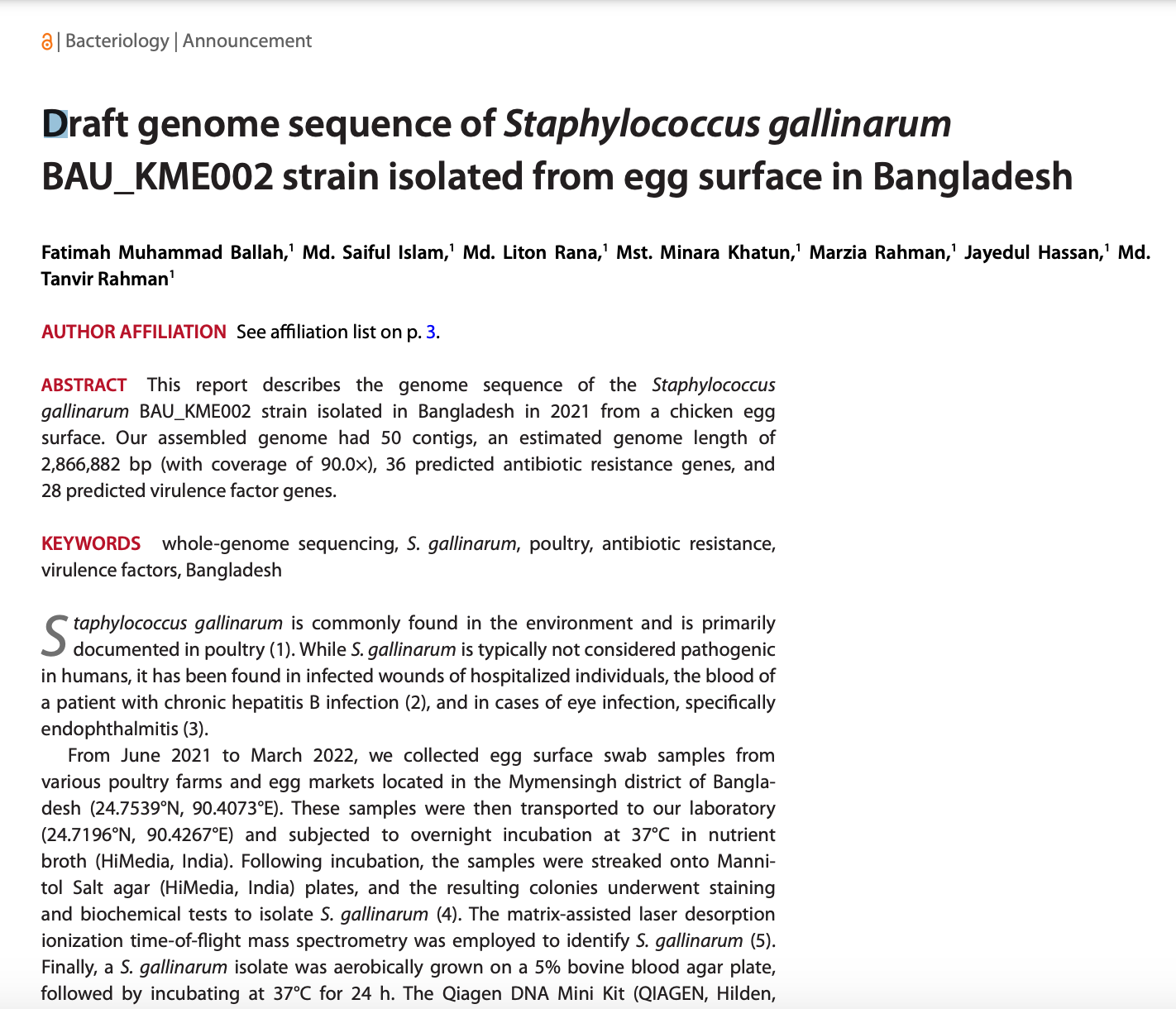
Draft genome sequence of Staphylococcus gallinarum BAU_KME002 strain isolated from egg surface in Bangladesh.
Ballah, F.M., Islam, Rana, M.L., Khatun, M.M., Rahman, M.., Hassan, J and Rahman, M.T. (2023), Draft genome sequence of Staphylococcus gallinarum BAU_KME002 strain isolated from egg surface in Bangladesh. Microbiology Resource Announcement. IF 0.8 ABSTRACT This report describes the genome sequence of the Staphylococcus gallinarum BAU_KME002 strain isolated in Bangladesh in 2021 from a chicken egg surface. Our assembled genome had 50 contigs, an estimated genome length of 2,866,882 bp (with coverage of 90.0×), 36 predicted antibiotic resistance genes, and 28 predicted virulence factor genes. KEYWORDS whole-genome sequencing, S. gallinarum, poultry, ant...

Draft genome sequence of biofilm-forming Enterococcus faecalis BAU_Ef01 strain isolated from shrimp (Penaeus indicus) in Bangladesh
https://journals.asm.org/doi/full/10.1128/mra.00551-23 Draft genome sequence of biofilm-forming Enterococcus faecalis BAU_Ef01 strain isolated from shrimp (Penaeus indicus) in Bangladesh Authors: Md. Ashek Ullah, Md. Saiful Islam https://orcid.org/0000-0002-6870-4595, Md. Liton Rana, Farhana Binte Ferdous, Fahim Haque Neloy, Sadia Afrin Punom, Jayedul Hassan, Md. Tanvir Rahman https://orcid.org/0000-0001-5432-480X [email protected] ABSTRACT Here, we sequence and analyze a biofilm-forming strain of Enterococcus faecalis BAU_Ef01 isolated...
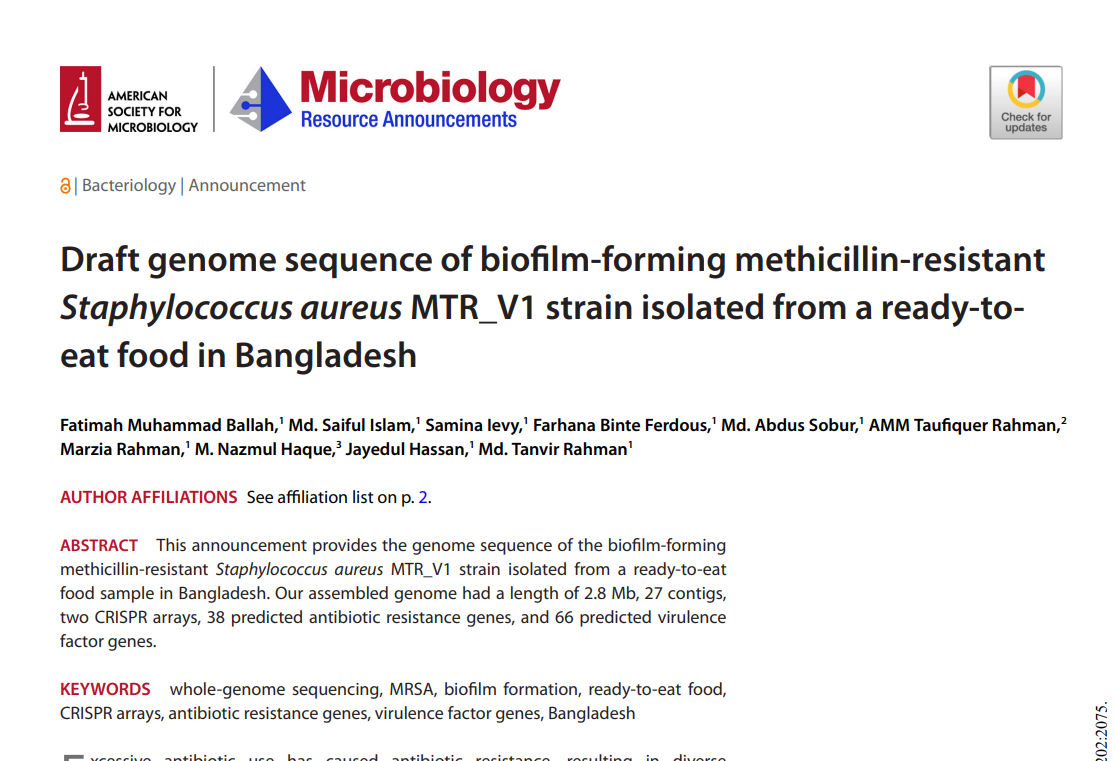
Draft genome sequence of biofilm-forming methicillin-resistant Staphylococcus aureus MTR_V1 strain isolated from a ready-toeat food in Bangladesh
Ballah, F.M., Islam, M.S., Ievy, S, Ferdous, F.B., Sobur, M.A., Rahman, AMMT., Rahman, M., Haque, M.N., Hassan, J., and Rahman, M.T. (2023). Draft genome sequence of biofilm-forming methicillin-resistant Staphylococcus aureus MTR_V1 strain isolated from a ready-to-eat food in Bangladesh. Microbiology Resource Announcement. IF 0.8 ABSTRACT This announcement provides the genome sequence of the biofilm-forming methicillin-resistant Staphylococcus aureus MTR_V1 strain isolated from a ready-to-eat food sample in Bangladesh. Our assembled genome had a length of 2.8 Mb, 27 contigs, two CRISPR arrays, 38 predicted antibiotic resistance genes, and 66 predicted virulenc...
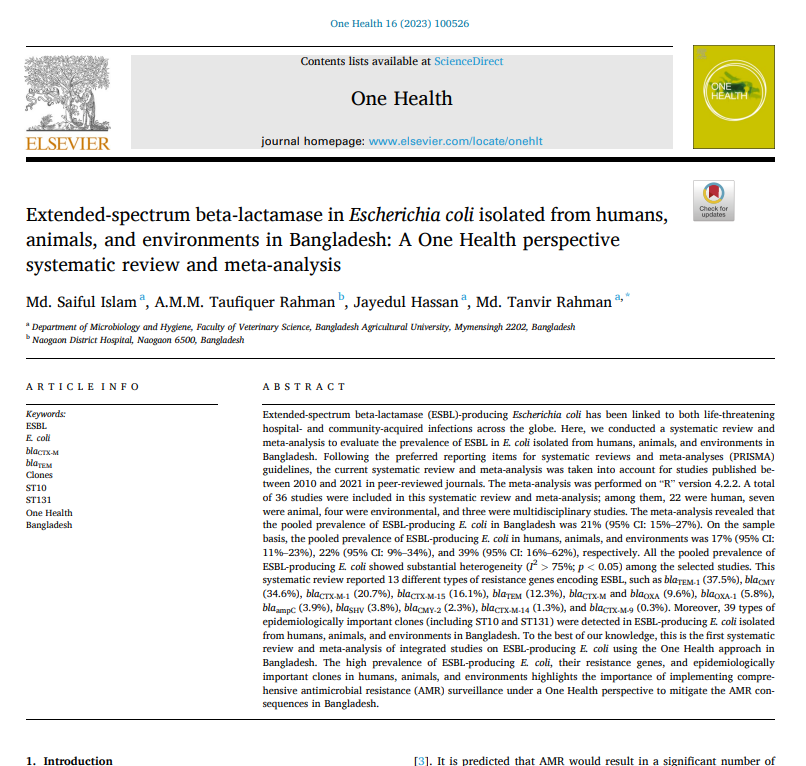
Extended-spectrum beta-lactamase in Escherichia coli isolated from humans, animals, and environments in Bangladesh: A One Health perspective systematic review and meta-analysis
https://doi.org/10.1016/j.onehlt.2023.100526 Islam, M.S., Rahman, AMMT., Hassan, J.,. and Rahman, M.T. (2023). Extended-spectrum beta-lactamase in Escherichia coli isolated from humans, animals, and environments in Bangladesh: A One Health perspective systematic review and meta-analysis. One Health. 2023, 100526 Download IF 5.0 Highlights • This is the first systematic review in Bangladesh, narrating ESBL-producing E. coli in One Health components in Bangladesh. • This review reports a high level of ESBL-producing E. coli from humans, animals, and environments in Bangladesh. • Th...
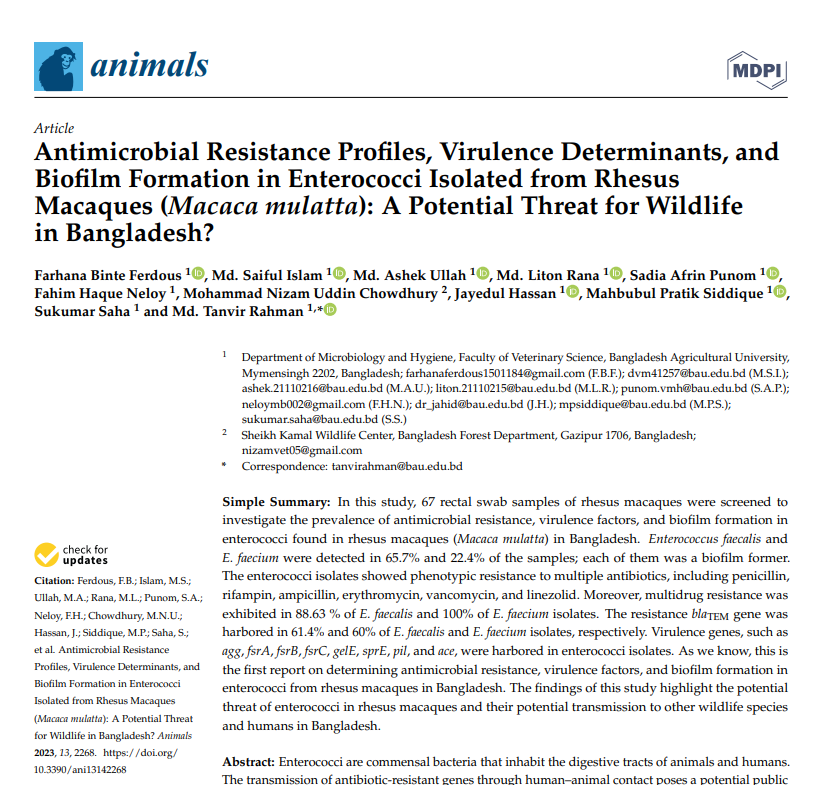
Antimicrobial Resistance Profiles, Virulence Determinants, and Biofilm Formation in Enterococci Isolated from Rhesus Macaques (Macaca mulatta): A Potential Threat for Wildlife in Bangladesh?
https://www.mdpi.com/2076-2615/13/14/2268 Ferdous, F.F., Islam, M.S., Ullah, A.M., Rana, M.L., Punom, S.A., Neloy, F.H., Chowdhury, M.N.U., Hassan, J., Siddique, M.P., Saha, S., and Rahman, M.T. (2023). Antimicrobial resistance profiles, virulence determinants, and biofilm formation in enterococci isolated from Rhesus macaques (Macaca mulatta): A potential threat for wildlife in Bangladesh? Animals. 2023, 13, 2268. Download IF 3.0 Simple Summary In this study, 67 rectal swab samples of rhesus macaques were screened to investigate the prevalence of antimicrobial resistance, virulence factors, and biofilm formation in enterococci found in...
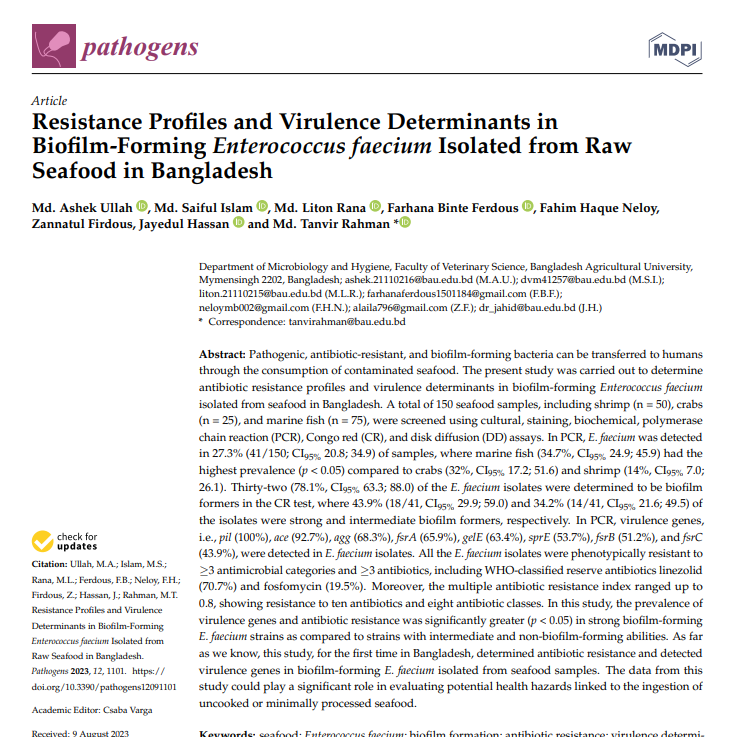
Resistance profiles and virulence determinants in biofilm-forming Enterococcus faecium isolated from raw seafood in Bangladesh
https://www.mdpi.com/2076-0817/12/9/1101 Ullah, M.A., Islam, M.S., Rana, M.L., Ferdous, F.B., Neloy, F.H., Firdous, J., Hassan, J., and Rahman, M.T. (2023). Resistance profiles and virulence determinants in biofilm-forming Enterococcus faecium isolated from raw seafood in Bangladesh. Pathogens. 2023, 12(9), 1101, Download IF 3.7 Pathogenic, antibiotic-resistant, and biofilm-forming bacteria can be transferred to humans through the consumption of contaminated seafood. The present study was carried out to determine antibiotic resistance profiles and virulence determinants in biofilm-forming Entero...
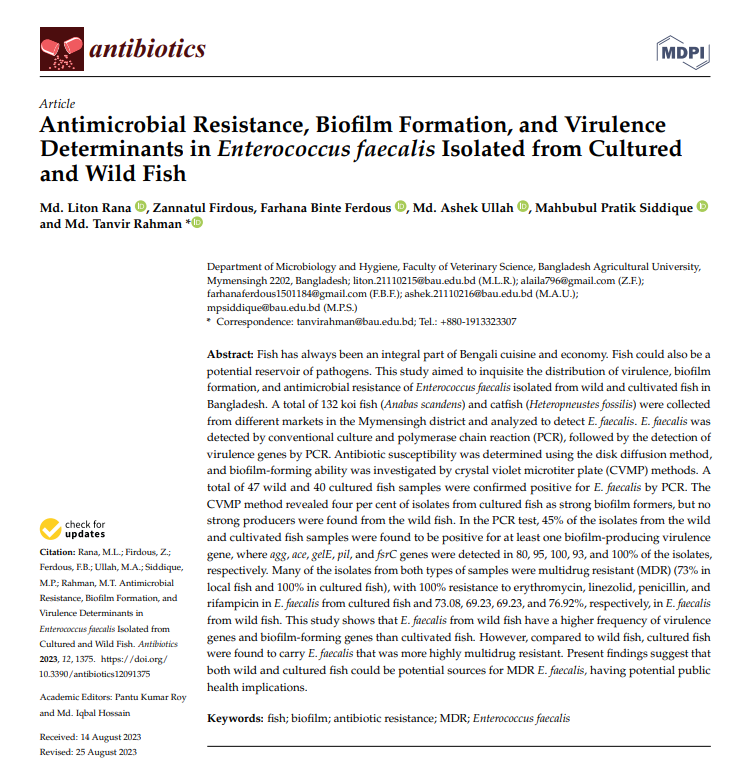
Antimicrobial Resistance, Biofilm Formation, and Virulence Determinants in Enterococcus faecalis Isolated from Cultured and Wild Fish
https://www.mdpi.com/2079-6382/12/9/1375 Rana, M.L., Ferdous,Z., Ferdous, F.B., Ullah, M.A., Siddique, M.P., and Rahman, M.T. (2023). Antimicrobial resistance profile, biofilm production, and virulence determinants in Enterococcus faecalis isolated from cultured and wild fish. Accepted in Antibiotics, 12(9), 1375;, Download IF 4.8 Fish has always been an integral part of Bengali cuisine and economy. Fish could also be a potential reservoir of pathogens. This study aimed to inquisite the distribution of virulence, biofilm formation, and antimicrobial resistance of Enterococcus faecalis isolated from wild and cultivated fish in Bangladesh. A total...
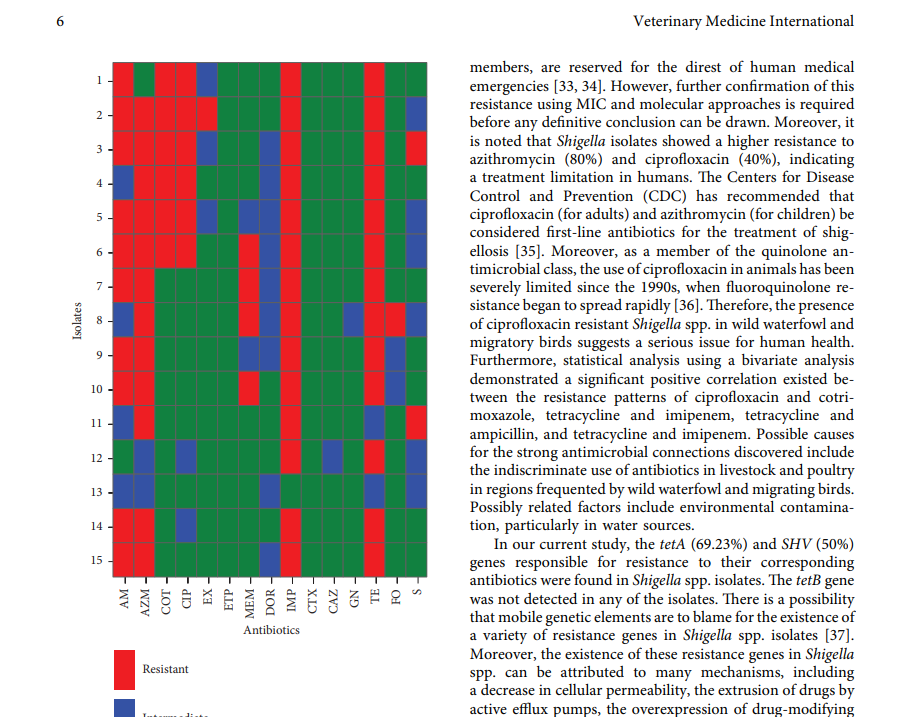
Molecular Detection and Multidrug Resistance of Shigella spp. Isolated from Wild Waterfowl and Migratory Birds in Bangladesh
https://www.hindawi.com/journals/vmi/2023/5374216/ Karmoker, J., Islam, M.S., Rana, M.L., Ullah, M.A., Neloy, F.H., Oishy, N.M., Pramanik, P.K., Siddique, M.P., Saha, S., and Rahman, M.T. (2023).Molecular detection and multidrug resistance of Shigella spp. isolated from migratory birds traveling to Bangladesh. Veterinary Medicine International. Vol. 2023, Article ID 5374216, Download IF 3.1 Birds, especially wild waterfowl and migratory birds have the potential to carry antibiotic-resistant bacteria, but their role in the dissemination of these resistant pathogens is still neglected in Bangladesh. To the best of our knowledge, this study was carried out for the f...
Tackling global health security by building an academic community for One Health action
https://idpjournal.biomedcentral.com/articles/10.1186/s40249-023-01124-w Background One Health approach is crucial to tackling complex global public health threats at the interface of humans, animals, and the environment. As outlined in the One Health Joint Plan of Action, the international One Health community includes stakeholders from different sectors. Supported by the Bill & Melinda Gates Foundation, an academic community for One Health action has been proposed with the aim of promoting the understanding and real-world implementation of One Health approach and contribution towards the Sustainable Development Goals for a healthy planet. Main text The proposed ac...
Genotype and age of industrial plant Jatropha curcas L. affect physico-chemical properties of seed oil
Jatropha curcas, has been established as a plant whose seeds contain a relatively high percentage of oil that is suitable for biodiesel production, among other industrial applications. Seed oil properties of J. curcas may vary depending on soils, age of plant, genotype of the plant, and agro-climatic conditions of a specific geographical region. Studies under such conditions have not yet been conducted. The present study was aimed at investigating the effects of genotype and age of the plant on the physicochemical properties of its seed oil. The seed oil was extracted using n-hexane as a solvent in the Soxhlet extraction apparatus from seed kernel collected from different...
The PGPR Mechanisms of Salt Stress Adaptation and PlantGrowth Promotion
Worldwide crop productivity hampers severely due to the adverse effects of salinity.Global warming causes a rapid escalation of the salt-affected area, and new agricultural land isaffected through saltwater intrusion. The ever-growing human population impulses to utilizethe saline area for crop cultivation to ensure food security. Salinity resistance crops could be apromising substitute but with minor success because inappropriate tactics on saline soil managementresulted in unsatisfactory yield. Salt-tolerant plant growth-promoting rhizobacteria (ST-PGPR) isconsidered an alternate way towards enhancing crop growth in saline ecosystems. It is reportedthat PGPR is enabled to produce...
Changes in Particulate and Mineral Associated Organic Carbon with Land Use in Contrasting Soils
Soil organic carbon (SOC) is the largest terrestrial C stock and soils' capacity to preserve OC varies with many factors including land use, soil type and depth. We investigated the effect of land use change on particulate organic matter (POM) and mineral-associated organic matter (MOM) in soils. Surface (0-10 cm) and sub-surface (60-70 cm) soil samples were collected from paired-sites (native and cropped lands) of four contrasting soils. Bulk soils were isolated into POM and MOM fractions, which were analysed for mineralogy, OC and nitrogen, isotopic signatures and 14C content. POMs of surface soils were relatively unaffected by land use change, possibly because of cont...
Influence of Organic Amendments on Soil Carbon Sequestration Potential of Paddy Soils under Two Irrigation Regimes
Soil organic carbon (OC) is one of the most important soil components regulating soil quality, fertility and agronomic productivity as well as the global carbon (C) cycle. Soil acts as a sink for global C, which can be influenced by the water regime and organic matter (OM) management in field. The aim of this study is to evaluate the effect of the application of different organic amendments on C sequestration in paddy soils under contrasting irrigation regimes. A 4-month pot experiment was conducted under net house conditions and the treatments were composed of two organic amendments: rice straw (RS) and poultry manure (PM); four application rates of amendment: 0 g (control), 2.5 g...

Influence of COVID-19 on the Sustainability of Livestock Performance and Welfare on a Global Scale .
A review on COVID-19: =============== Rahman, M.T., Islam, M.S., Shehata, A.S., Basiouni, S., Hafez, H.M., Azhar, E., Khafaga, A.F., Bovera, F and Attia, Y. (2022). Influence of COVID-19 on the Sustainability of Livestock Performance and Welfare on a Global Scale . Tropical Animal Health and Production. 54b(309), Download IF 1.930 https://link.springer.com/article/10.1007/s11250-022-03256-x

QTL associated with Gummy Stem Blight (GSB) resistance in watermelon
Alhamdulillah! Glad to share our recent publiacation "QTL associated with Gummy Stem Blight (GSB) resistance in watermelon". In this one, we have identified three QTLs for resistance against Gummy stem blight (GSB) disease of watermelon based on Genotyping by Sequencing (GBS) of 96 differentiallly resistant plant population. Besides, we have developed two single nucleotide polymorphism (SNP) based high resolution melting markers (HRM) that can diagnose the resistant lines. You can access it from https://link.springer.com/content/pdf/10.1007/s00122-022-04201-0.pdf

Phenotypic and Genotypic Detection of Biofilm-Forming Staphylococcus aureus from Different Food Sources in Bangladesh
Ballah, F.M., Islam, M,S., Rana, M.L., Ferdous, F.B., Ahmed, R., Pramanik, P.K., Karmoker, J., Ievy, S., Sobur, M.A., Siddique, M.P., Khatun, M.M., Rahman, M., and Rahman, M.T. (2022). Phenotypic and Genotypic Detection of Biofilm-Forming Staphylococcus aureus from Different Food Sources in Bangladesh. Biology. 11, 949, Download IF 5.079 Simple Summary Biofilm formation by Staphylococcus aureus in foods poses a potential concern for public health and food safety. Therefore, the present study was conducted to detect biofilm-producing S. aureus from foods and human hand swabs using phenotypic and genotypic assays. In this study, S. a...

Genomic characteristics, virulence and antimicrobial resistance in avian pathogenic Escherichia coli MTR_BAU02 strain isolated from layer farms in Bangladesh.
https://www.sciencedirect.com/science/article/pii/S2213716522001345?via%3Dihub Genomic characteristics, virulence, and antimicrobial resistance in avian pathogenic Escherichia coli MTR_BAU02 strain isolated from layer farm in Bangladesh Author links open overlay panelSaminaIevyaM. NazmulHoquebMd. SaifulIslamaMd. AbdusSoburbFatimah MuhammadBallahaM. ShaminurRahmancMd. BahanurRahmanaJayedulHassanaMohammad Ferdousur RahmanKhanaMd. TanvirRahmana ABSTRACT Background Colibacillosis, caused by avian pathogenic Escherichia coli (APEC), is one of the most significant infectious diseases affecting poultry worldwide. Objectives This study a...
Allelopathic Properties of Lamiaceae Species: Prospects and Challenges to Use in Agriculture
Herbicide resistance due to the increasing reliance on herbicides is a near-term challenge for the world’s agriculture. This has led to a desire to develop new herbicides with a novel mode of action, to address resistance in weed species. Lamiaceae, a large dicotyledonous plant family, is very well known for the multitudinous pharmacological and toxicological properties of its member species. Moreover, many species of this family are significant for their allelopathic activity in natural and laboratory settings. Thus, plants in Lamiaceae have the potential to be sources of alternative herbicides. However, gaps in our knowledge need to be addressed prior to adopting these alle...

Impacts of COVID-19 pandemic on livestock industry and food security: A review
Sharmeen Islam1, Md. Tanvir Rahman2, Syed Md. Ehsanur Rahman1, Md. Rokibul Islam Khan1* 1Department of Animal Science, Bangladesh Agricultural University, Mymensingh-2202, Bangladesh 2Department of Microbiology and Hygiene, Bangladesh Agricultural University, Mymensingh-2202, Bangladesh Abstract COVID-19 is a worldwide pandemic that spread over 192 countries and caused more than 3 million people deaths by 2021. It arises a concern on livestock cultivation, their production, and maintaining the supply chain to sustain the existing economy worldwide. The prediction of potential consequences on livestock production and food security is unexpected. Numerous cases among workers in a...
Responses of Lactation, Rumen Fermentation and Blood Biochemical Parameters with Increasing Dietary Inulin Supplementation in Mid-Lactation Dairy Cows
https://www.mdpi.com/2077-0472/12/4/521 Abstract Effects of dietary supplementation of inulin in dairy cows were investigated in this study. Thirty-six mid-lactation Holstein dairy cows were randomly divided into six groups with six cows per group and offered a total mixed ration supplemented with 0 (control), 50, 150, 200, 250 and 350 g/d inulin per head, respectively. The animals were pre-fed for 2 weeks before rumen fluid, milk and blood samples were collected weekly for 3 weeks. With increasing inulin doses, milk yield (p < 0.01) and milk fat concentration (p = 0.04) were linearly increased, while milk urea nitrogen (p < 0.01) and somatic ce...

Publication alert:Development of clubroot resistant cabbage line through introgressing six CR loci from Chinese cabbage via interspecific hybridization and embryo rescue
An interesting work on introgressing six genes via interspecific hybridization and embryo rescue in Chinese Cabbage. Here's the full article, if you are interested.

Immune Responses Induced in Chickens by Capsular Extract of P. Multocida Isolated From Farm Rat
An experiment was conducted to investigate the immune response induced in chickens by capsular extract of Pasteurella multocida isolated from rats wandering in and around the poultry farms. The rat isolate of P. multocida was isolated and identified by cultural, morphological, and biochemical characteristics, followed by capsular extract preparation and experimental vaccine development. The isolated P. multocida was found Gram-negative, non-motile, non-spore forming rod occurring singly or pains and occasionally as chains or filaments in Gram’s-staining method. The isolates consistently produced acid from dextrose, sucrose and mannitol but not fermented maltose or lactose. Th...


Global data analysis and risk factors associated with morbidity and mortality of COVID-19.
azerji, S.J., Shahabinejad, F., Tokasi, M., Rad, M.A., Khan, M.S., Safdar, M., Filipiak, K.J., Szarpak, L., Dzieciatkowski, T., Jurgiel, J., Duarte, P.G., Rahman, M.T., Sobur, M.A., Islam, M.S., Ahmed, A., Shahen, M.N.F., Shehata, A.A., Gharieb, G., Fawzy, M., Malik, Y.S.,Jaganathasamy, N., Rajendran, V.O., Subbaram, K., Ali, P., Ali, S., Rehman, S., Ozaslan, M., Khan, G., Saeed, M., Younas, U., Imran, S., Junejo, Y., Arabkarami, P., Hogan, U., Rodriguez-Morales, A.J. (2022). Global data analysis and risk factors associated with morbidity and mortality of COVID-19. A Gene Reports. Download IF 0..72. Highlights • This review was foc...
Shehata, A.A., Attia, Y., Rahman, M.T., Basiouni, S., El-Seedi, H., Azhar, E.I., Khafaga, A.F., and Hafez, H.M. (2022). Diversity of Coronaviruses with Particular Attention to the Interspecies Transmission of SARS-CoV-2. Animals.
Diversity of Coronaviruses with Particular Attention to the Interspecies Transmission of SARS-CoV-2 Shehata, A.A., Attia, Y., Rahman, M.T., Basiouni, S., El-Seedi, H., Azhar, E.I., Khafaga, A.F., and Hafez, H.M. (2022). Diversity of Coronaviruses with Particular Attention to the Interspecies Transmission of SARS-CoV-2. Animals. In December 2019, the outbreak of severe acute respiratory syndrome coronavirus 2 (SARS-CoV-2) was reported in China with serious impacts on global health and economy that is still ongoing. Although interspecies transmission of coronaviruses is common and well documented, each coronavirus has a narrowly restricted host range. Coronaviruses...

Phytomedicines to Target Hepatitis B Virus DNA Replication: Current Limitations and Future Approaches
Hepatitis B virus infection (HBV) is one of the most common causes of hepatitis, and may lead to cirrhosis or hepatocellular carcinoma. According to the World Health Organization (WHO), approximately 296 million people worldwide are carriers of the hepatitis B virus. Various nucleos(t)ide analogs, which specifically suppress viral replication, are the main treatment agents for HBV infection. However, the development of drug-resistant HBV strains due to viral genomic mutations in genes encoding the polymerase protein is a major obstacle to HBV treatment. In addition, adverse effects can occur in patients treated with nucleos(t)ide analogs. Thus, alternative anti-HBV drugs of plant o...

Higher seasonal temperature enhances the occurrence of methicillin resistance of Staphylococcus aureus in house flies
Sobur, M.A., Islam, M.S., Haque, Z.F., Orubu, ESF., Toniolo, A., Rahman, M.T.(2021). Higher seasonal temperature enhances the occurrence of methicillin resistance of Staphylococcus aureus in house flies (Musca domestica) under hospital and environmental settings",. Folia Microbiologica. Download IF 2.099

Vector-Borne and Zoonotic Infections and Their Relationships with Regional and Socioeconomic Statuses:
Saydam, F.N., Erdem, H., Ramadan, M.E.EW., Nagva M l., Civljak, R., Pshenichnaya, N., Moroti, R.V Mahmuodabad, ., ...…Rahman,. M.T., ...... Rodriguez-Morales, A.J. (2021). Vector-Borne and Zoonotic Infections and Their Relationships with Regional and Socioeconomic Statuses: A survey in 24 Countries of Europe, Africa and Asia. Travel Medicine and Infectious Disease. 44: 102174. Download IF 6.221
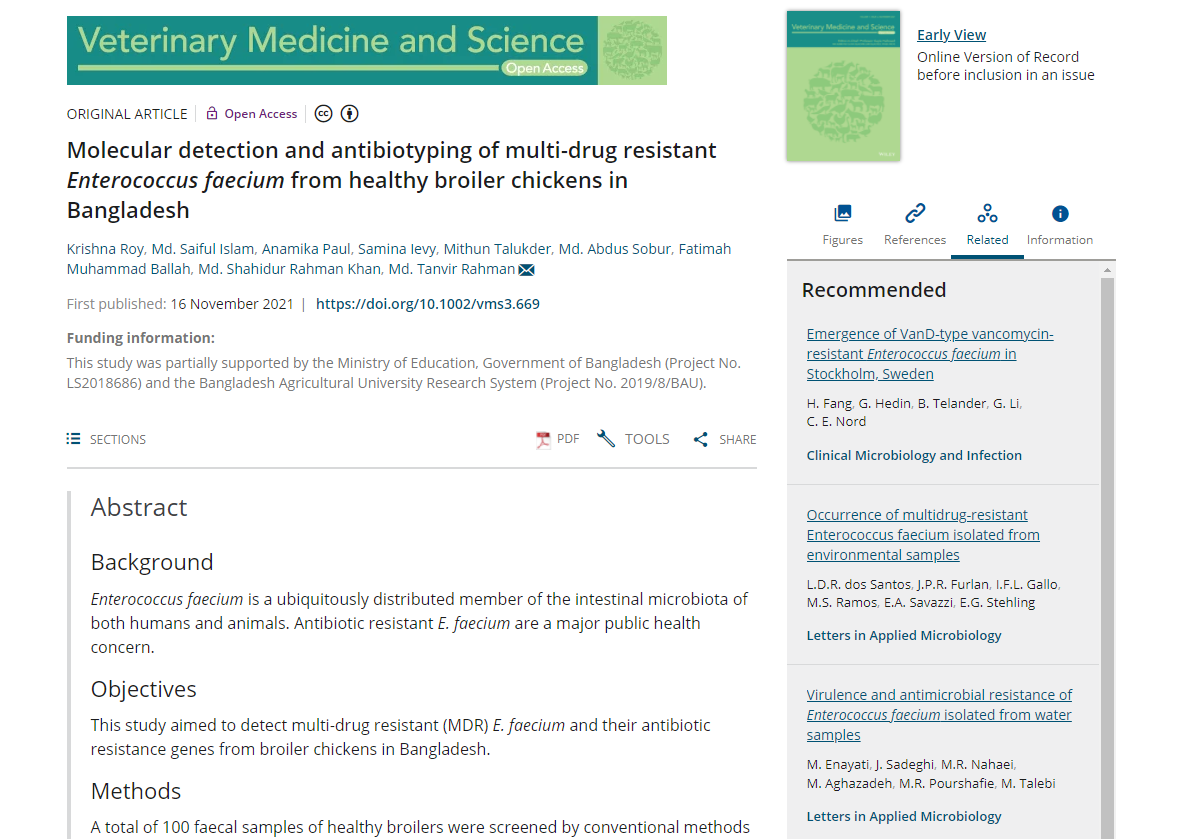
Molecular detection and antibiotyping of multi-drug resistant Enterococcus faecium from healthy broiler chickens in Bangladesh.
Roy, K., Islam, M.S., Puja, A.P., Ievy, S., Talukder, M., Sobur, M.A., Ballah, F.M., Khan,M.S.R., and Rahman, M.T. (2021). Molecular detection and antibiotyping of multi-drug resistant Enterococcus faecium from healthy broiler chickens in Bangladesh. Veterinary Medicine and Science. download IF 1.950
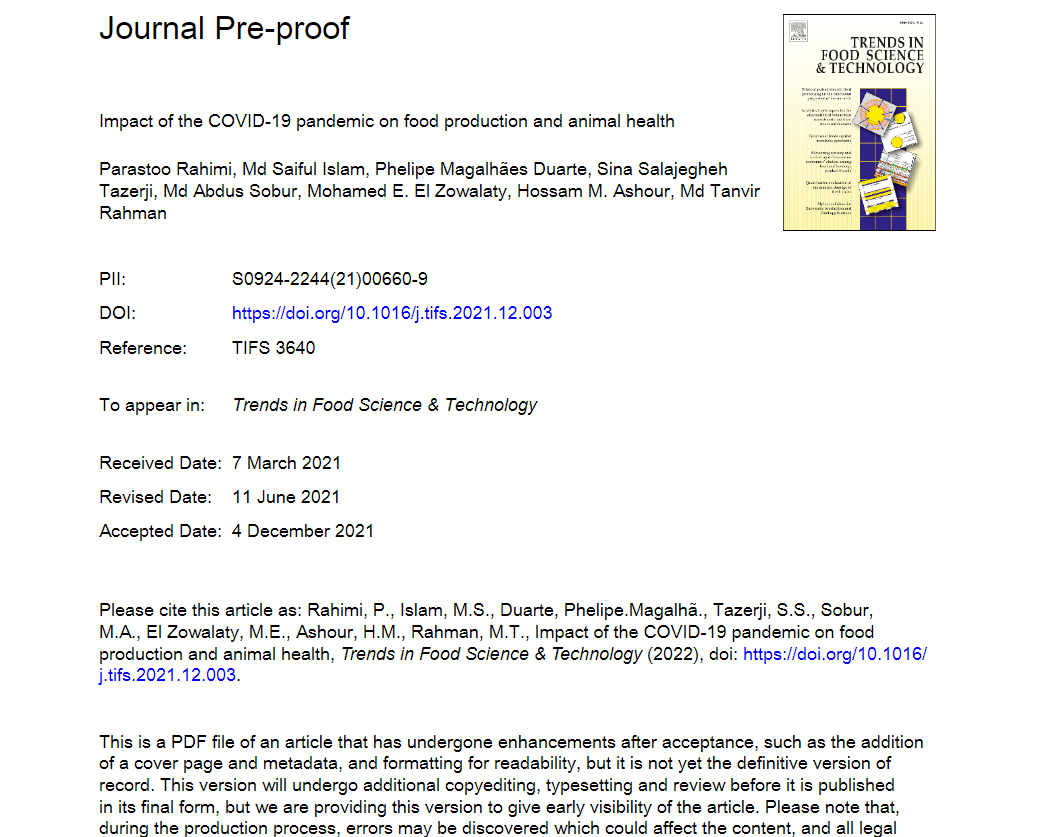
Impact of the COVID-19 Pandemic on food production and animal health.
Rahimia, P., Islam, M.S., Duartec, P.M., Tazerjia, S.S., Soburb, M.A., Zowalatyd, M.E., Ashoure, M.H., and Rahman, M.T. (2021). Impact of the COVID-19 Pandemic on food production and animal health. Trends in food Science and Technology. Download . IF 12.563.
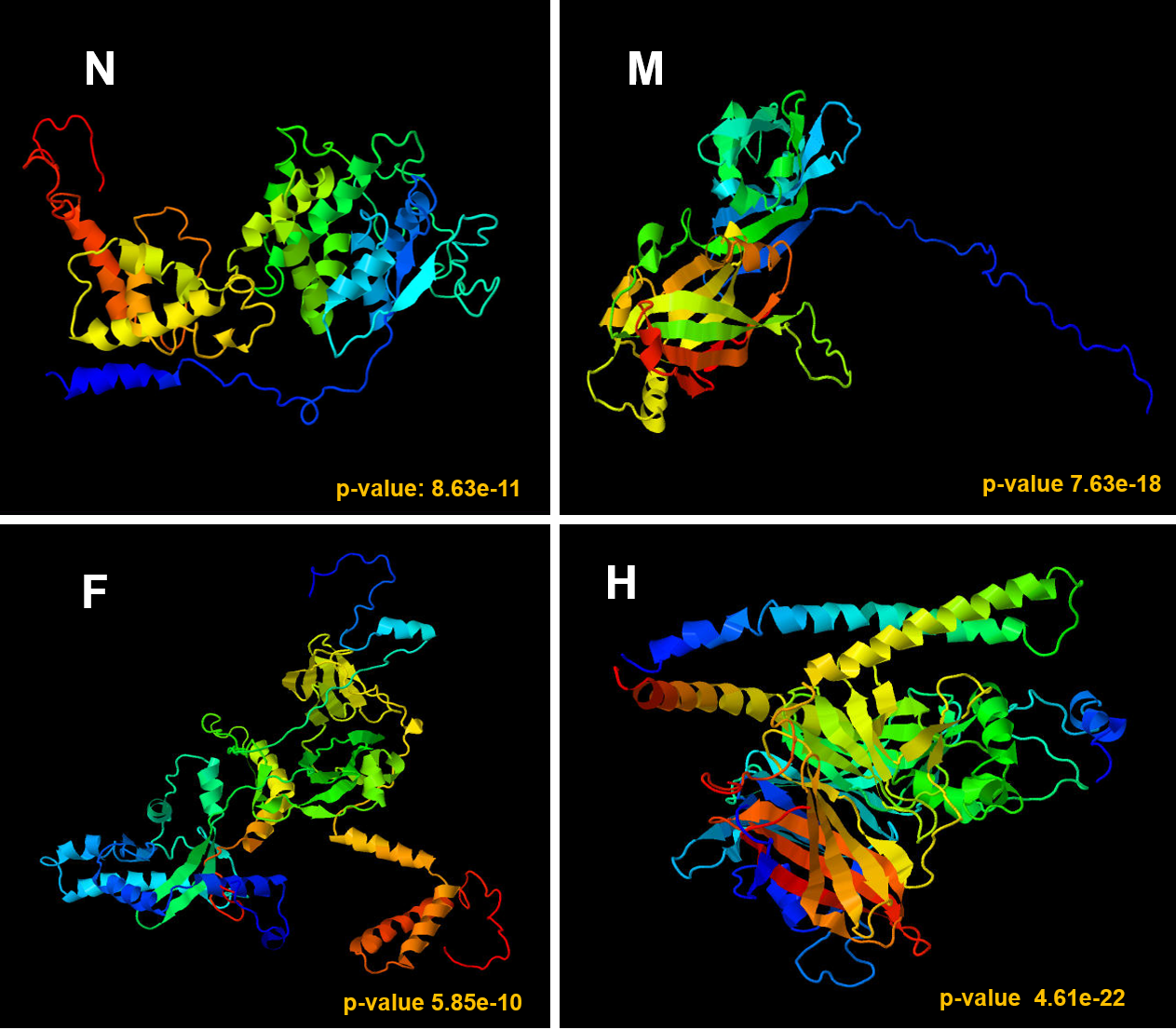
Molecular insights into peste des petits ruminants virus identified in Bangladesh between 2008 and 2020
An in-depth knowledge of the molecular evolution of the peste des petits ruminants virus (PPRV) is critical forthe success of the current global eradication program. For this reason, a molecular evolutionary analysis ofPPRVs circulating in Bangladesh over a decade (2008–2020) was performed. The complete genome sequencingof three PPRV isolates from 2008 (BD2), 2015 (BD12) and 2017 (BD17) as well as full length nucleocapsid (N),matrix (M) and fusion (F) gene sequencing of seven more samples from 2015 to 2020 was performed. Phylogeneticanalysis classified all ten PPRVs from Bangladesh as members of lineage IV and showed that they wereclosely related to PPRV strains detected in C...
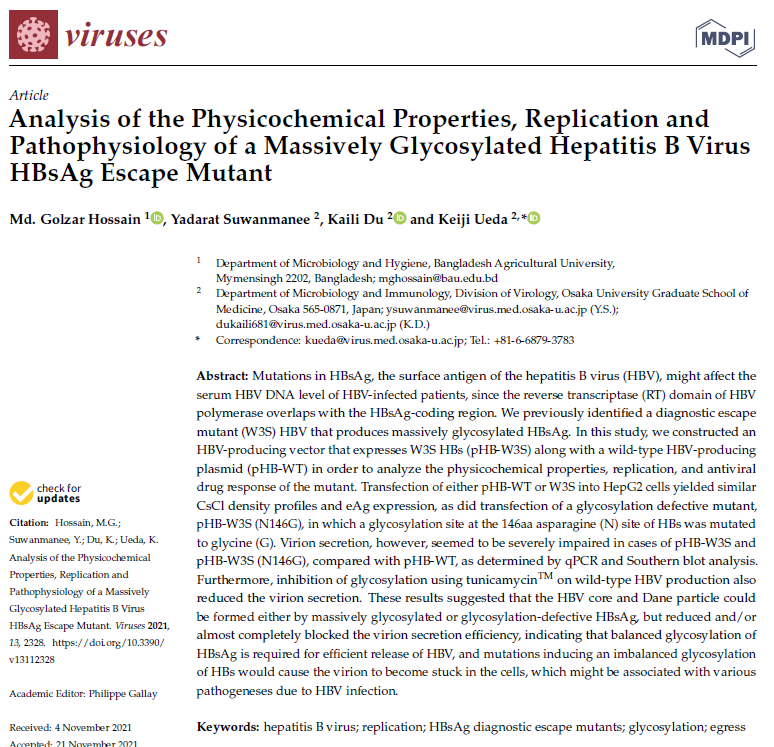
Analysis of the Physicochemical Properties, Replication and Pathophysiology of a Massively Glycosylated Hepatitis B Virus HBsAg Escape Mutant
Mutations in HBsAg, the surface antigen of the hepatitis B virus (HBV), might affect the serum HBV DNA level of HBV-infected patients, since the reverse transcriptase (RT) domain of HBV polymerase overlaps with the HBsAg-coding region. We previously identified a diagnostic escape mutant (W3S) HBV that produces massively glycosylated HBsAg. In this study, we constructed an HBV-producing vector that expresses W3S HBs (pHB-W3S) along with a wild-type HBV-producing plasmid (pHB-WT) in order to analyze the physicochemical properties, replication, and antiviral drug response of the mutant. Transfection of either pHB-WT or W3S into HepG2 cells yielded similar CsCl density profiles and eAg...
Drought Stress in Grain Legumes: Effects, Tolerance Mechanisms and Management
Grain legumes are important sources of proteins, essential micronutrients and vitamins and for human nutrition. Climate change, including drought, is a severe threat to grain legume production throughout the world. In this review, the morpho-physiological, physio-biochemical and molecular levels of drought stress in legumes are described. Moreover, different tolerance mechanisms, such as the morphological, physio-biochemical and molecular mechanisms of legumes, are also reviewed. Moreover, various management approaches for mitigating the drought stress effects in grain legumes are assessed. Reduced leaf area, shoot and root growth, chlorophyll content, stomatal conductance, CO2&nbs...
Abiotic Stresses: Alteration of Composition and Grain Quality in Food Legumes
Abiotic stresses varyingly affect the grain composition and quality of food legumes. This paper is aimed at discussing the impact of abiotic stresses on the grain composition and quality of food legumes. As protein is the main grain constituent of food legumes for which it is being consumed by humans as a cheap protein source, abiotic stresses such as heat, cold, drought, salinity and heavy metals alter this grain protein content in different dimensions for different food legumes. Moreover, other valuable constituents such as starch, soluble sugar, oil, fatty acid and fiber content are affected differently by the abiotic stresses. The diverse impact of these abiotic stresses ultima...

Development of Public Awareness against Pesticide Menace
Effects of pesticide exposure on public health are monitored in developed countries, which is rare in the least developed countries like Bangladesh. Here, a surveillance study was conducted to investigate the farmer's knowledge and perception toward pesticide use and the impact of occupational exposure as well as an environmental hazard in six agro-based districts (Gazipur, Khulna, Manikganj, Naogaon, Mymensingh, and Tangail) in Bangladesh. A questionnaire was designed for a face-to-face interview of the farmers (at least 100 farmers in each district), and the data was collected. The farmer during cultivations used pesticides as single, double, or several times in a single crop cyc...
Photoperiodic light pulse induces ovarian development in the catfish, Mystus cavasius: Possible roles of dopamine and melatonin in the brain
In the freshwater catfish, Mystus cavasius, locally known as gulsha, ovarian maturation is triggered by long-day conditions. Using dopaminergic neuronal activity in the brain, the purpose of this study was to identify the brain’s detection of a nocturnal light pulse that induced ovarian development. Since direct inhibition of pituitary gonadotropin release is exerted by dopamine (DA), it may serve as a neuromodulator of photoperiodic stimulation in teleosts. We studied functional effects of photoperiodicity on dopaminergic rhythmicity in gulsha brain. Nocturnal illumination and Nanda-Hamner photocycles revealed that ovarian development is induced by a 1 h light puls...
Sustaining groundwater irrigation for food security in the northwest region of Bangladesh: socioeconomics, livelihood and gender aspect
Bangladesh is one of the most densely populated countries in the world. Land is scarce to produce crops. Farmers use irrigation to grow crops year-round to meet increasing food demand. In the Northwest Region (NWR) of Bangladesh, known as the food bowl of the country, farmers depend on groundwater for dry season irrigation since both rainfall and surface water are scarce, particularly in the Barind areas. Key questions have been raised on how much groundwater is used and where, how rainfall recharges groundwater after irrigation, what are the costs of groundwater irrigation, what are the prevailing livelihood assets to pay for the irrigation, when women influence farming decisions...
Emerging Role of Neuropilin-1 and Angiotensin-Converting Enzyme-2 in Renal Carcinoma-Associated COVID-19 Pathogenesis
Neuropilin-1 (NRP1) is a recently identified glycoprotein that is an important host factor for SARS-CoV-2 infection. On the other hand, angiotensin-converting enzyme-2 (ACE2) acts as a receptor for SARS-CoV-2. Additionally, both NRP1 and ACE2 express in the kidney and are associated with various renal diseases, including renal carcinoma. Therefore, the expression profiles of NRP1 and ACE2 in kidney renal clear cell carcinoma (KIRC) and kidney renal papillary cell carcinoma (KIRP) patients from the various cancer databases were investigated along with their impact on patients’ survivability. In addition, coexpression analysis of genes involved in COVID-19, KIRC, and KIRP conce...
Jackfruit seed powder supplementation attenuates high sugar diet-induced hyperphagia and hyperglycemia in mice
Abstract: The prevalence of obesity and other metabolic syndromes is rapidly increasing in Bangladesh and other South Asian countries, leading to increased mortality and morbidity due to diabetes and cardiovascular diseases. Intake of high sugar diets is strongly associated with the development of obesity, diabetes, and other metabolic diseases. Diets that are rich in dietary fiber have been reported to have substantial health benefits. The beneficial effects of a fiber-rich diet are prevention of obesity, improved glucose levels, and control of the profile of blood lipids. Jackfruit seed powder (JSP) is a good source of dietary fiber and can be a possible candidate to fight again...
Lipoteichoic Acid Is Involved in the Ability of the Immunobiotic Strain Lactobacillus plantarum CRL1506 to Modulate the Intestinal Antiviral Innate Immunity Triggered by TLR3 Activation
Abstract: Studies have demonstrated that lipoteichoic acid (LTA) is involved in the immunomodulatory properties of some immunobiotic lactobacilli. The aim of this work was to evaluate whether LTA contributes to the capacity of Lactobacillus plantarum CRL1506 in modulating the intestinal innate antiviral immune response. A D-alanyl-lipoteichoic acid biosynthesis protein (dltD) knockout CRL1506 strain (L. plantarumΔdltD) was obtained, and its ability to modulate Toll-like receptor (TLR)-3-mediated immune response was evaluated in vitro in porcine intestinal epithelial (PIE) cells and in vivo in Balb/c mice. Wild-type (WT) CRL1506 (L. plantarum...
Exopolysaccharides From Streptococcus thermophilus ST538 Modulate the Antiviral Innate Immune Response in Porcine Intestinal Epitheliocytes
Abstract: It was reported that exopolysaccharides (EPSs) from lactobacilli are able to differentially modulate mucosal antiviral immunity. Although research has described the ability of EPSs derived from Streptococcus thermophilus to modulate the mucosal immune system, their impact on antiviral immunity was less explored. In this work, we investigated the capacity of the EPS-producing S. thermophilus ST538 to modulate the innate antiviral immune response triggered by the activation of the Toll-like receptor 3 (TLR3) in porcine intestinal epitheliocytes (PIE cells). Moreover, in order to study the immunomodulatory potential of S. thermophilus ST538 EPS,...
Evaluation of the Immunomodulatory Ability of Lactic Acid Bacteria Isolated from Feedlot Cattle Against Mastitis Using a Bovine Mammary Epithelial Cells In Vitro Assay
Abstract: Bovine mastitis, the inflammation of the mammary gland, affects the quality and quantity of milk yield. Mastitis control relies on single or multiple combinations of antibiotic therapy. Due to increasing antibiotic resistance in pathogens, the intramammary infusion of lactic acid bacteria (LAB) has been considered as a potential alternative to antibiotics for treating and preventing bovine mastitis through the improvement of the host immunity. Probiotic effects are a strain-dependent characteristic; therefore, candidate LAB strains have to be evaluated efficiently to find out the ones with the best potential. Here, we investigated LAB strains originally isolated from...
The Role of Alveolar Macrophages in the Improved Protection against Respiratory Syncytial Virus and Pneumococcal Superinfection Induced by the Peptidoglycan of Lactobacillus rhamnosus CRL1505
Abstract: The nasal priming with nonviable Lactobacillus rhamnosus CRL1505 (NV1505) or its purified peptidoglycan (PG1505) differentially modulates the respiratory innate immune response in infant mice, improving their resistance to primary respiratory syncytial virus (RSV) infection and secondary pneumococcal pneumonia. In association with the protection against RSV-pneumococcal superinfection, it was found that NV1505 or PG1505 significantly enhance the numbers of CD11c+SiglecF+ alveolar macrophages (AMs) producing interferon (IFN)-β. In this work, we aimed to further advance in the characterization of the beneficial effects of NV1505 and PG1505 in the co...
Evaluation of Fat Accumulation and Adipokine Production during the Long-Term Adipogenic Differentiation of Porcine Intramuscular Preadipocytes and Study of the Influence of Immunobiotics
Abstract: The degree of fat accumulation and adipokine production are two major indicators of obesity that are correlated with increased adipose tissue mass and chronic inflammatory responses. Adipocytes have been considered effector cells for the inflammatory responses due to their capacity to express Toll-like receptors (TLRs). In this study, we evaluated the degree of fat accumulation and adipokine production in porcine intramuscular preadipocyte (PIP) cells maintained for in vitro differentiation over a long period without or with stimulation of either TNF-α or TLR2-, TLR3-, or TLR4-ligands. The cytosolic fat accumulation was measured by liquid chromatography and the...
A Pigeon-Derived Sub-Genotype XXI.1.2 Newcastle Disease Virus from Bangladesh Induces High Mortality in Chickens
Newcastle disease virus (NDV) is a significant pathogen of poultry; however, variants also affect other species, including pigeons. While NDV is endemic in Bangladesh, and poultry isolates have been recently characterized, information about viruses infecting pigeons is limited. Worldwide, pigeon-derived isolates are commonly of low to moderate virulence for chickens. Here, we studied a pigeon-derived NDV isolated in Bangladesh in 2010. To molecularly characterize the isolate, we sequenced its complete fusion gene and performed a comprehensive phylogenetic analysis. We further studied the biological properties of the virus by estimating mean death time (MDT) and by experimentally in...
Surveillance on respiratory diseases reveals enzootic circulation of both H5 and H9 avian influenza viruses in small-scale commercial layer farms of Bangladesh
Poultry production in Bangladesh has been experiencing H5N1 highly pathogenic avian influenza (HPAI) and H9N2 low pathogenic avian influenza (LPAI) for the last 14 years. Vaccination of chickens against H5 HPAI is in practice since the end of 2012. Subsequently, the official reporting of HPAI outbreaks gradually decreased. However, the true extent of circulation of avian influenza virus (AIV) in commercial poultry production is not clear. To explore this, we conducted active surveillance in 422 small-scale commercial layer farms in 20 villages of Mymensingh and Tangail districts of Bangladesh during 2017 and 2018 for the presence of diseases with respiratory signs. A total of...
A Sequential Study on the Pathology of Peste Des Petits Ruminants and Tissue Distribution of the Virus Following Experimental Infection of Black Bengal Goats
We studied the sequential pathology of peste des petits ruminants (PPR) in Black Bengal goats and analyzed virus distribution in tissues and virus shedding following experimental infection with a Bangladeshi isolate of lineage IV PPR virus (PPRV). The early clinical signs like fever, depression, and ocular and nasal discharges first appeared at 4–7 days post-infection (dpi). Three out of eight inoculated goats died at 13, 15, and 18 dpi, and the rest were killed at different time points from 5 to 18 dpi. Initially, the virus multiplied mostly in the lymphoid organs of the pharyngeal region and caused extensive lymphoid destruction and hemorrhages. This was followed by viremia...

Genetic and biological characterization of Newcastle disease viruses circulating in Bangladesh during 2010–2017: further genetic diversification of class II genotype XIII in Southcentral Asia
Newcastle disease virus (NDV) is endemic in Bangladesh and is a major threat to commercial poultry operations. While complete fusion (F) genes are recommended for molecular characterization and classification of NDV isolates, heretofore, only partial F gene data have been available for Bangladeshi NDVs. To this end, we obtained the full-length F gene coding sequences of 11 representative NDVs isolated in Bangladesh between 2010 and 2017. In addition, one of the viruses (MK934289/chicken/Bangladesh/C161/2010) was used in an experimental infection of chickens to establish the viral pathotype and study gross and microscopic lesions. Phylogenetic analysis provided evidence that all stu...
A unified genotypic classification of infectious bursal disease virus based on both genome segments
Infectious bursal disease virus (IBDV) of chickens is a birnavirus with a bi-segmented double-stranded RNA genome, the segments designated as A and B. We performed phylogenetic analysis using a 366-bp fragment of segment A (nt 785–1150) and a 508-bp fragment of segment B (nt 328–835) of IBDV. A total of 463 segment A and 434 segment B sequences from GenBank, including the sequences of eight recent Bangladeshi isolates, were used in the analysis. The analysis revealed eight genogroups of segment A under serotype 1, designated as A1 (classical), A2 (US antigenic variant), A3 (very virulent), A4 (dIBDV), A5 (atypical Mexican), A6 (atypical Italian), A7 (early Australian) a...
Weeds and Their Responses to Management Efforts in A Changing Climate
Crop production is a constant battle with weeds, in which weeds, generally, are victorious. Therefore, rather than channeling our efforts into the development of a “silver bullet” to control weeds, the focus should be on sustainable weed management in both natural- and agro-ecosystems. However, sustainable weed management can be a challenge in the context of global climate change. Over the past few decades, global climate change, mostly indicated by phenomena such as increased atmospheric temperature and elevated CO2 levels, is evident due to human activities and natural events. These phenomena also affect regional/local climate, resulting in significant influences...
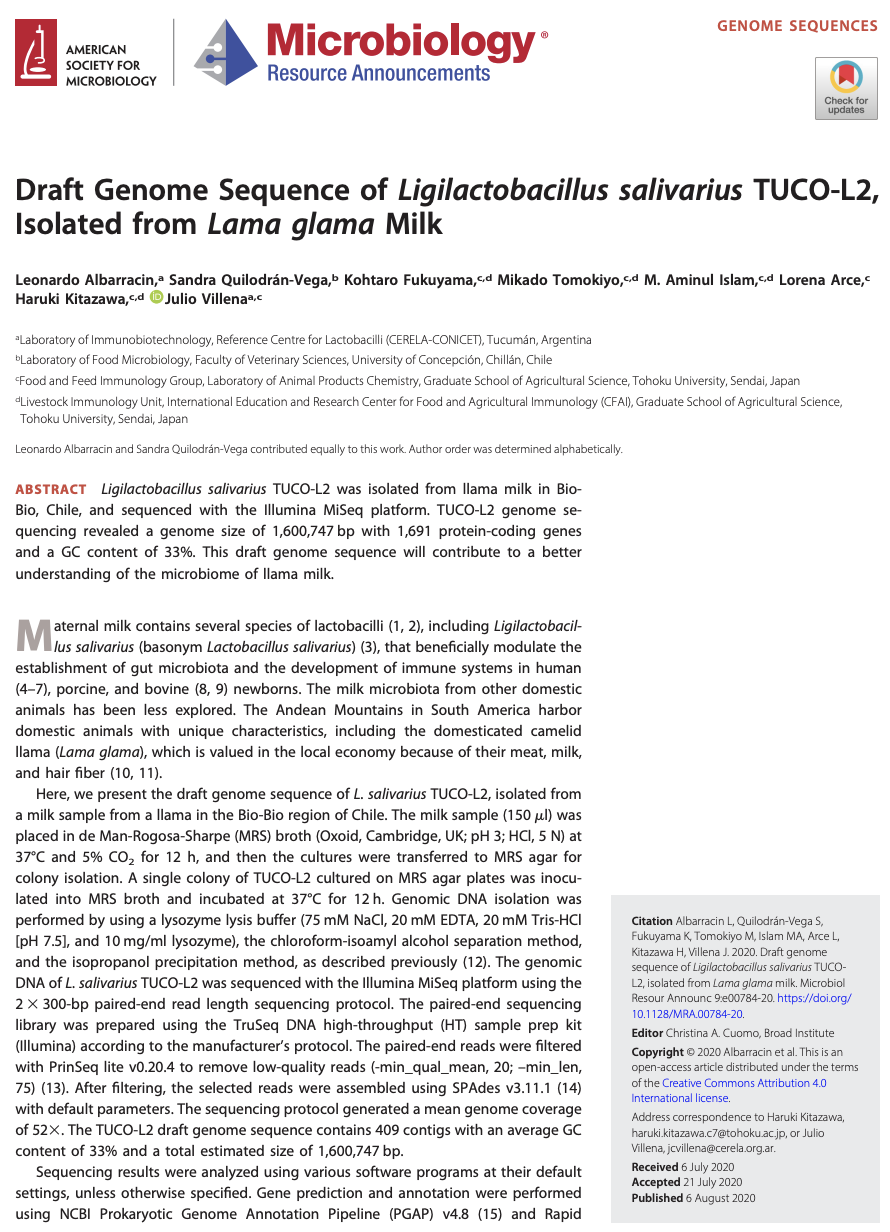
Draft Genome Sequence of Ligilactobacillus salivarius TUCO-L2, Isolated from Lama glama Milk
Abstract: Ligilactobacillus salivarius TUCO-L2 was isolated from llama milk in Bio-Bio, Chile, and sequenced with the Illumina MiSeq platform. TUCO-L2 genome sequencing revealed a genome size of 1,600,747 bp with 1,691 protein-coding genes and a GC content of 33%. This draft genome sequence will contribute to a better understanding of the microbiome of llama milk. Keywords: Lactobacillus, whole genome, llama, milk Citation: Albarracin L, Quilodrán-Vega S, Fukuyama K, Tomokiyo M, Islam MA, Arce L, Kitazawa H, Villena J. Draft Genome Sequence of Ligilactobacillus salivarius TUCO-L2, Isolated from Lama glama Milk. Microbiol Resour Announc. 2020 Aug 6;9(32):e00...
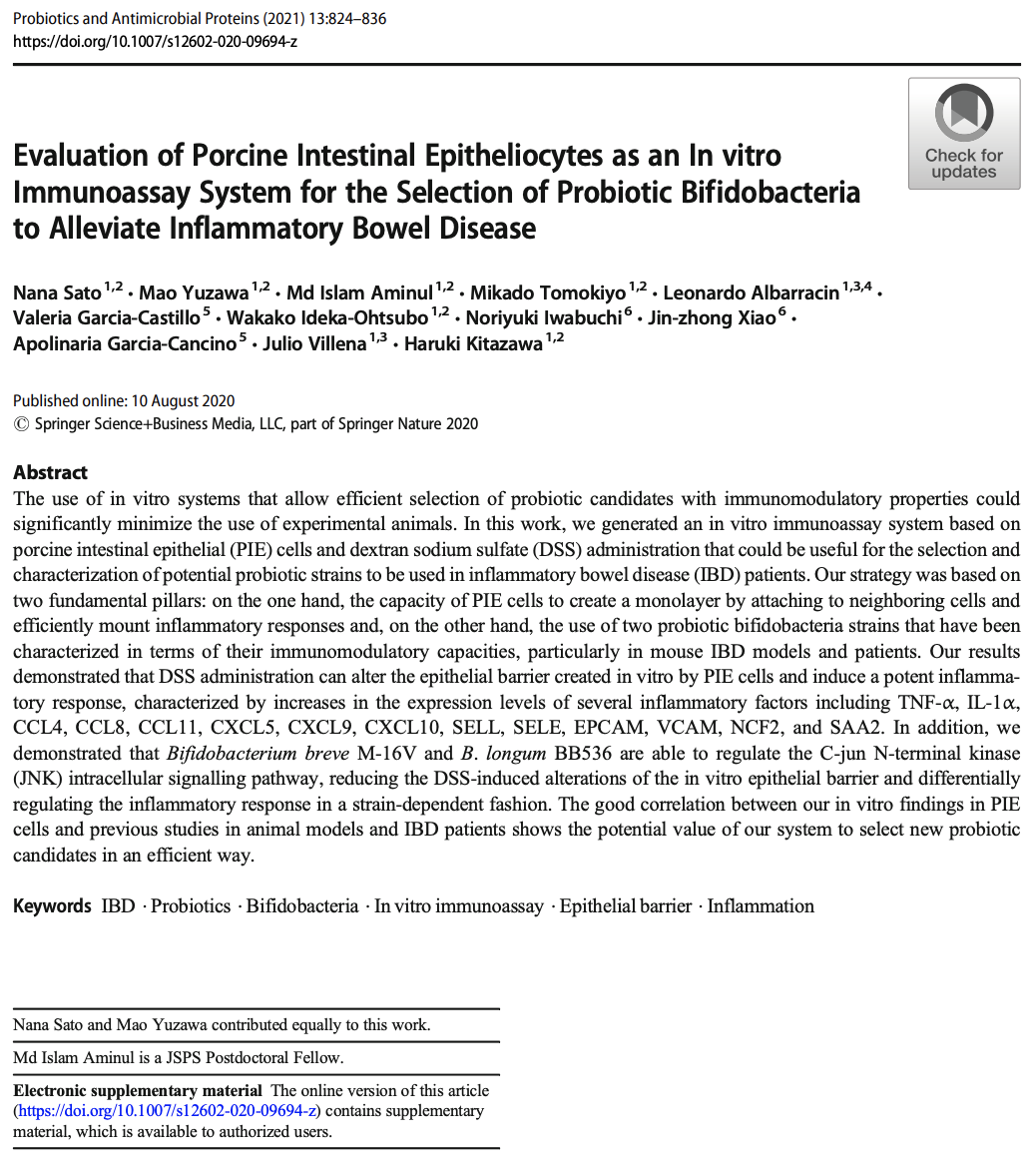
Evaluation of Porcine Intestinal Epitheliocytes as an In vitro Immunoassay System for the Selection of Probiotic Bifidobacteria to Alleviate Inflammatory Bowel Disease
Abstract: The use of in vitro systems that allow efficient selection of probiotic candidates with immunomodulatory properties could significantly minimize the use of experimental animals. In this work, we generated an in vitro immunoassay system based on porcine intestinal epithelial (PIE) cells and dextran sodium sulfate (DSS) administration that could be useful for the selection and characterization of potential probiotic strains to be used in inflammatory bowel disease (IBD) patients. Our strategy was based on two fundamental pillars: on the one hand, the capacity of PIE cells to create a monolayer by attaching to neighboring cells and efficiently mount inflammatory respons...
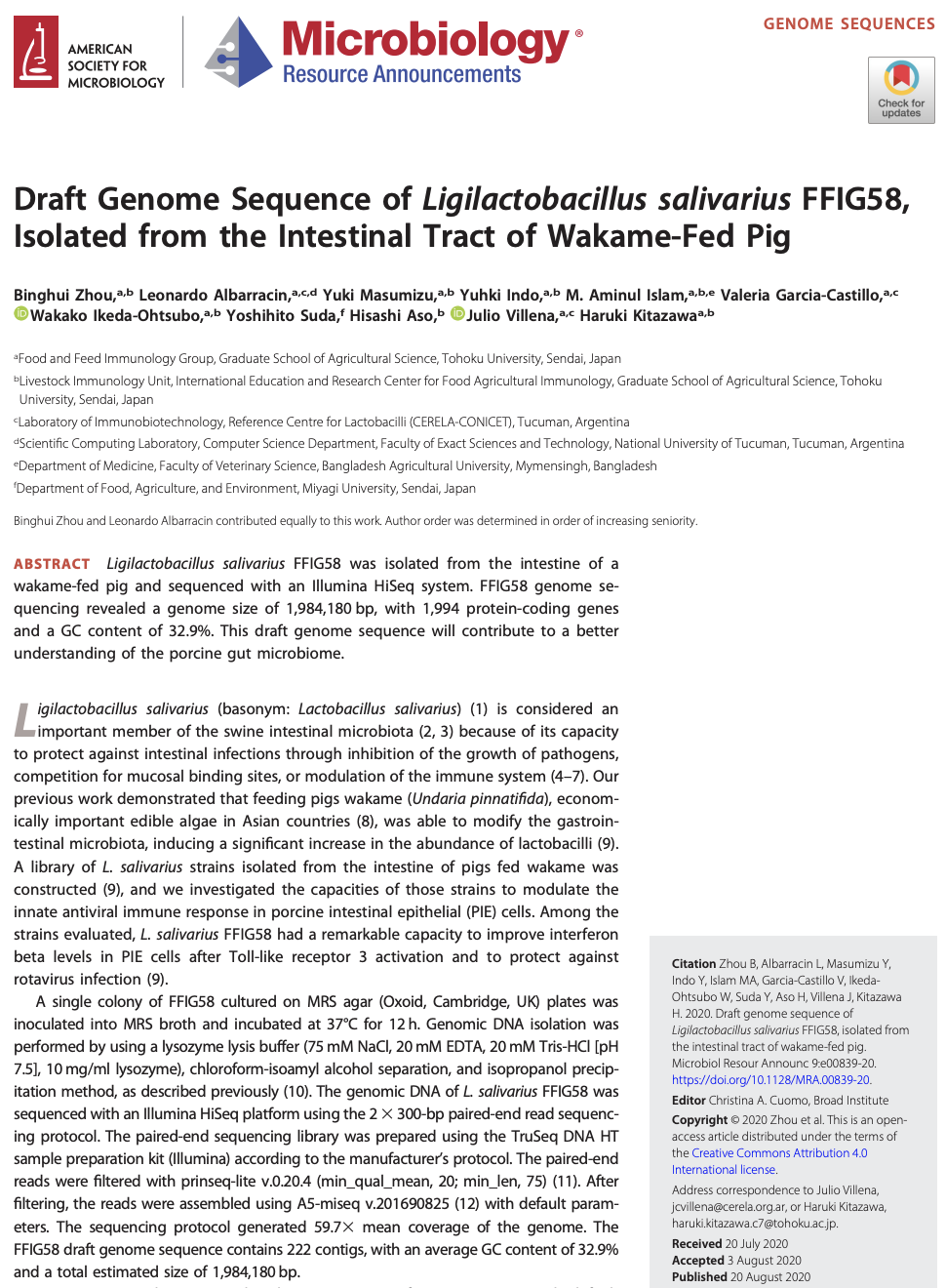
Draft Genome Sequence of Ligilactobacillus salivarius FFIG58, Isolated from the Intestinal Tract of Wakame-Fed Pig
Abstract: Ligilactobacillus salivarius FFIG58 was isolated from the intestine of a wakame-fed pig and sequenced with an Illumina HiSeq system. FFIG58 genome sequencing revealed a genome size of 1,984,180 bp, with 1,994 protein-coding genes and a GC content of 32.9%. This draft genome sequence will contribute to a better understanding of the porcine gut microbiome. Keywords: Lactobacillus, whole genome, gut microbiome, pig Citation: Zhou B, Albarracin L, Masumizu Y, Indo Y, Islam MA, Garcia-Castillo V, Ikeda-Ohtsubo W, Suda Y, Aso H, Villena J, Kitazawa H. Draft Genome Sequence of Ligilactobacillus salivarius FFIG58, Isolated from the In...
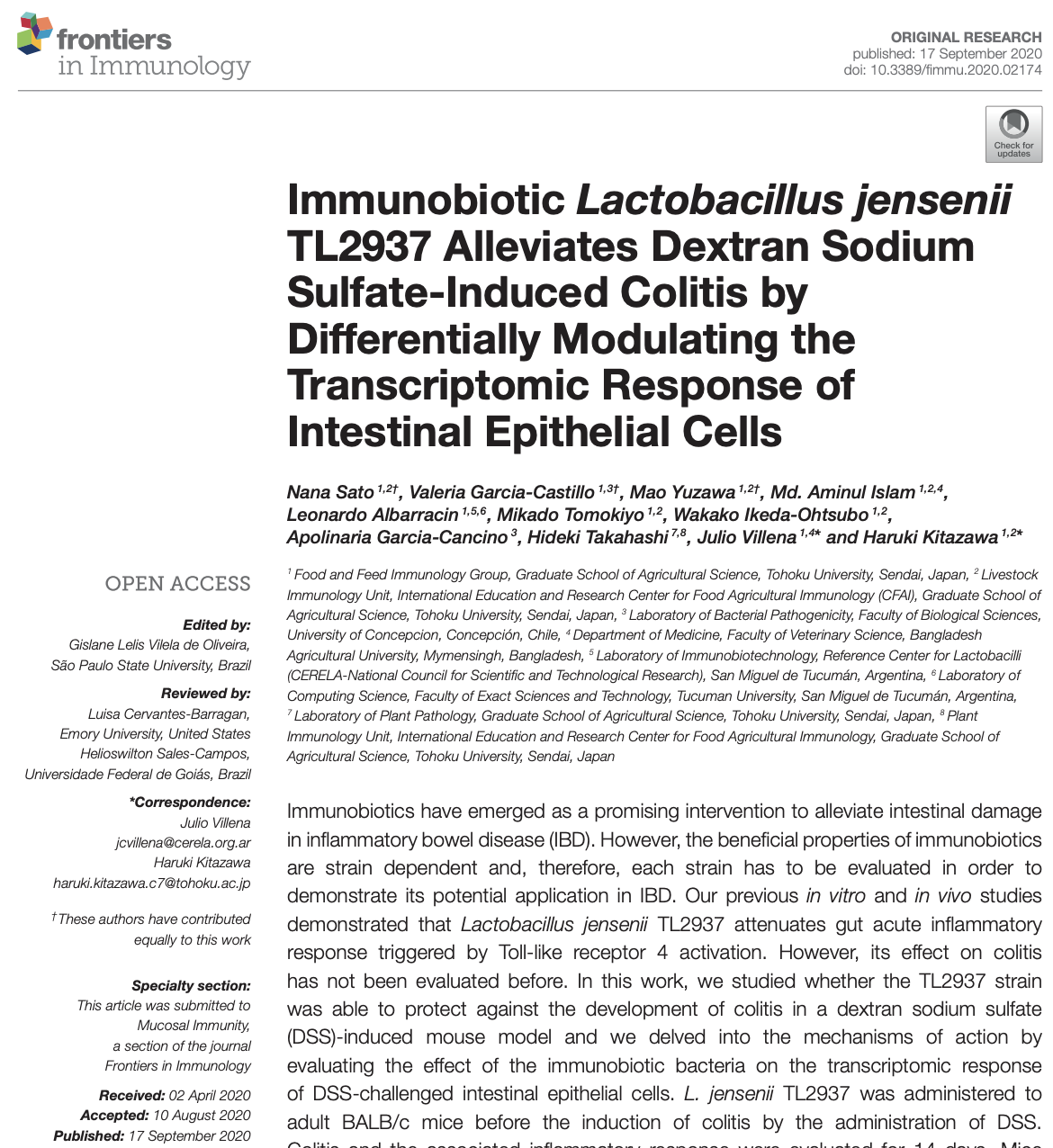
Immunobiotic Lactobacillus jensenii TL2937 Alleviates Dextran Sodium Sulfate-Induced Colitis by Differentially Modulating the Transcriptomic Response of Intestinal Epithelial Cells
Abstract: Immunobiotics have emerged as a promising intervention to alleviate intestinal damage in inflammatory bowel disease (IBD). However, the beneficial properties of immunobiotics are strain dependent and, therefore, each strain has to be evaluated in order to demonstrate its potential application in IBD. Our previous in vitro and in vivo studies demonstrated that Lactobacillus jensenii TL2937 attenuates gut acute inflammatory response triggered by Toll-like receptor 4 activation. However, its effect on colitis has not been evaluated before. In this work, we studied whether the TL2937 strain was able to protect against the development of coli...
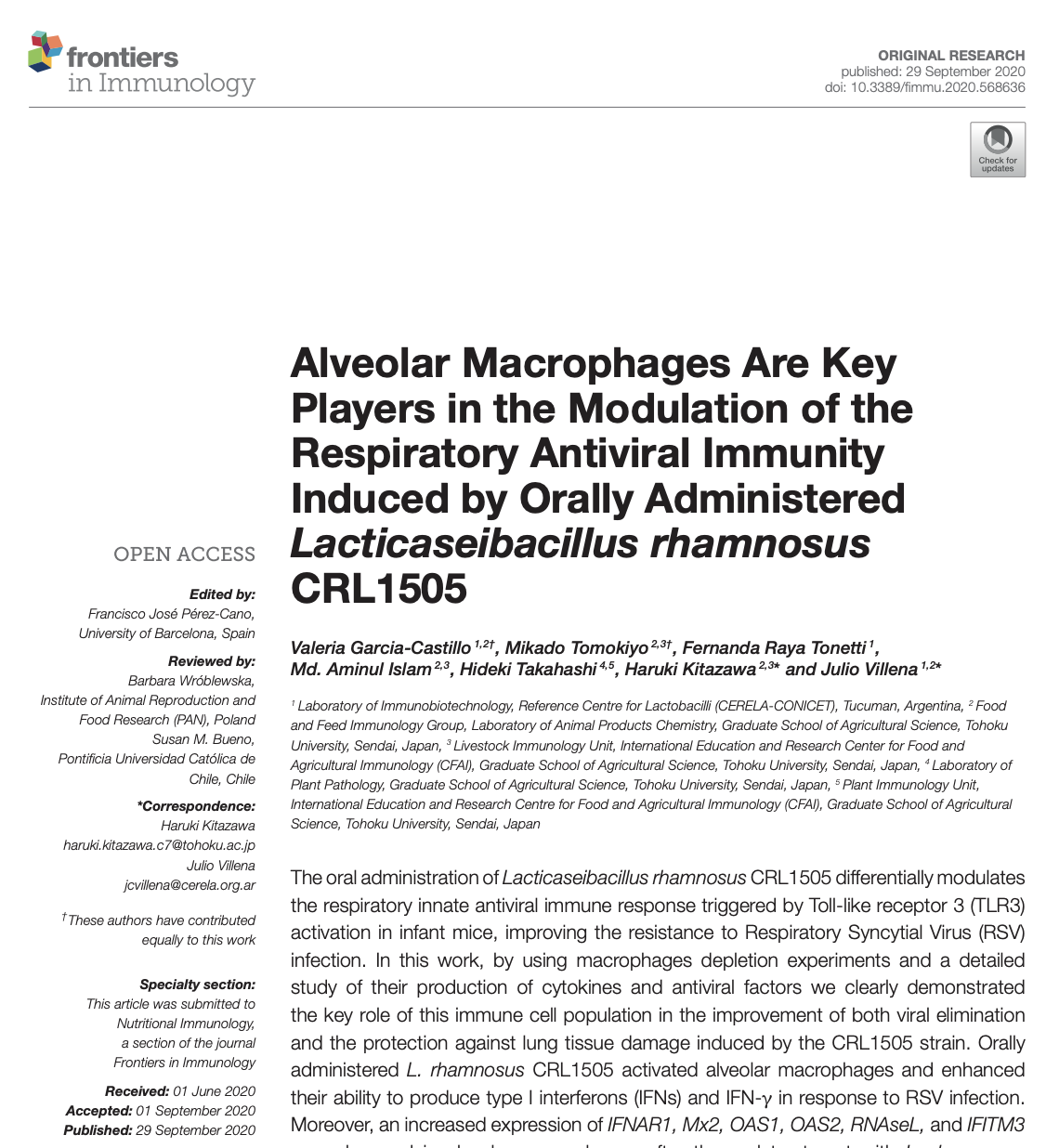
Alveolar Macrophages Are Key Players in the Modulation of the Respiratory Antiviral Immunity Induced by Orally Administered Lacticaseibacillus rhamnosus CRL1505
Abstract: The oral administration of Lacticaseibacillus rhamnosus CRL1505 differentially modulates the respiratory innate antiviral immune response triggered by Toll-like receptor 3 (TLR3) activation in infant mice, improving the resistance to Respiratory Syncytial Virus (RSV) infection. In this work, by using macrophages depletion experiments and a detailed study of their production of cytokines and antiviral factors we clearly demonstrated the key role of this immune cell population in the improvement of both viral elimination and the protection against lung tissue damage induced by the CRL1505 strain. Orally administered L. rhamnosus CRL1505 activated al...
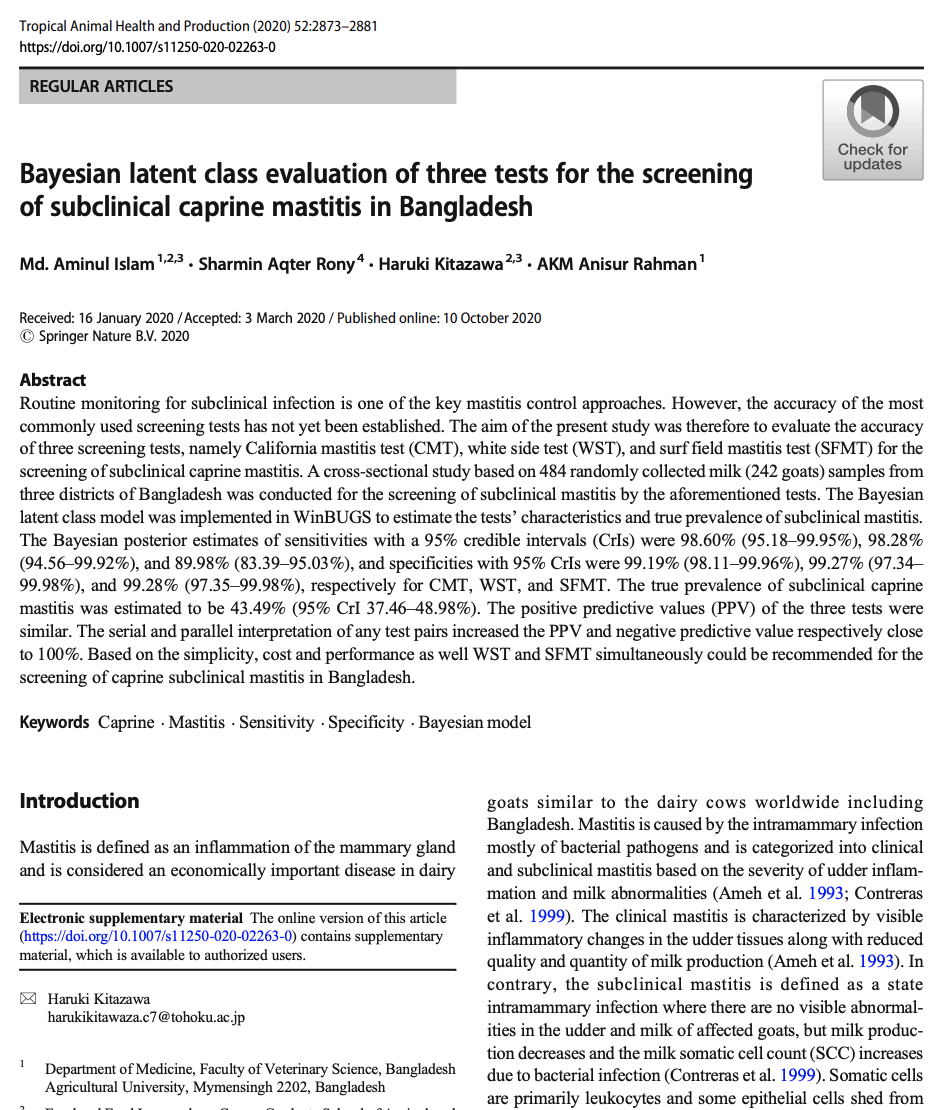
Bayesian latent class evaluation of three tests for the screening of subclinical caprine mastitis in Bangladesh
Abstract: Routine monitoring for subclinical infection is one of the key mastitis control approaches. However, the accuracy of the most commonly used screening tests has not yet been established. The aim of the present study was therefore to evaluate the accuracy of three screening tests, namely California mastitis test (CMT), white side test (WST), and surf field mastitis test (SFMT) for the screening of subclinical caprine mastitis. A cross-sectional study based on 484 randomly collected milk (242 goats) samples from three districts of Bangladesh was conducted for the screening of subclinical mastitis by the aforementioned tests. The Bayesian latent class model was implemen...
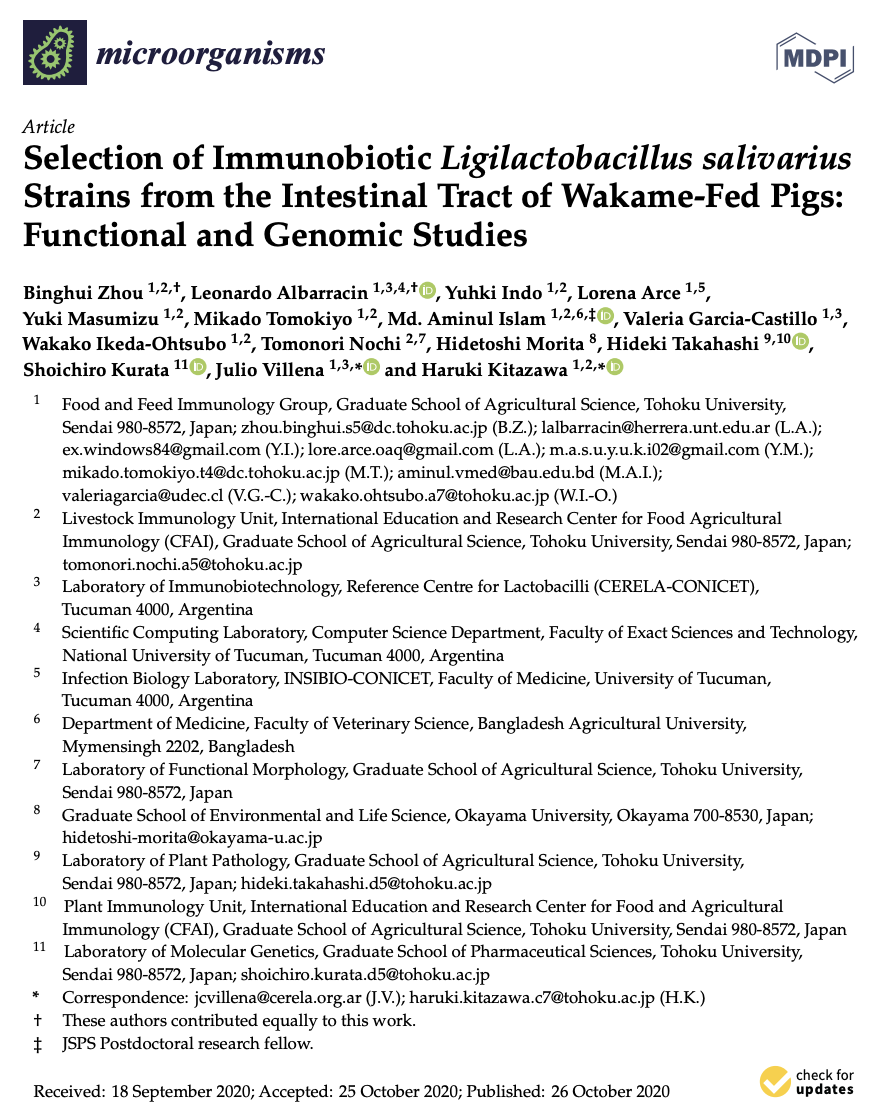
Selection of Immunobiotic Ligilactobacillus salivarius Strains from the Intestinal Tract of Wakame-Fed Pigs: Functional and Genomic Studies
Abstract: In this article, Ligilactobacillus salivarius FFIG strains, isolated from the intestinal tract of wakame-fed pigs, are characterized according to their potential probiotic properties. Strains were evaluated by studying their interaction with porcine intestinal epithelial (PIE) cells in terms of their ability to regulate toll-like receptor (TLR)-3- or TLR4-mediated innate immune responses, as well as by assessing their adhesion capabilities to porcine epithelial cells and mucins. These functional studies were complemented with comparative genomic evaluations using the complete genome sequences of porcine L. salivarius strains selected from subgroup...
Improvement of Disease Resistance in Livestock:Application of Immunogenomics and CRISPR/Cas9 Technology
Abstract: Disease occurrence adversely affects livestock production and animal welfare, and have an impact on both human health and public perception of food–animals production. Combined efforts from farmers, animal scientists, and veterinarians have been continuing to explore the effective disease control approaches for the production of safe animal-originated food. Implementing the immunogenomics, along with genome editing technology, has been considering as the key approach for safe food–animal production through the improvement of the host genetic resistance. Next-generation sequencing, as a cutting-edge technique, enables the production of high throughput tran...
Functional and Genomic Characterization of Ligilactobacillus salivarius TUCO-L2 Isolated From Lama glama Milk: A Promising Immunobiotic Strain to Combat Infections
Abstract: Potential probiotic or immunobiotic effects of lactic acid bacteria (LAB) isolated from the milk of the South American camelid llama (Lama glama) have not been reported in published studies. The aim of the present work was to isolate beneficial LAB from llama milk that can be used as potential probiotics active against bacterial pathogens. LAB strains were isolated from llama milk samples. In vitro functional characterization of the strains was performed by evaluating the resistance against gastrointestinal conditions and inhibition of the pathogen growth. Additionally, the adhesive and immunomodulatory properties of the strains were assessed. The functiona...
Effect of Dietary Supplementation of Immunobiotic Lactiplantibacillusplantarum N14 Fermented Rakkyo (Allium chinense) Pickled Juice on the Immunocompetence and Production Performance of Pigs
Abstract: Rakkyo (Allium chinense), is a Japanese leek that is primarily used to make a popular sweet or sour pickled dish. Lactic acid bacteria are often involved in the preparation steps of fermented pickles, which helps in the effective preservation of the natural bioactive compounds of fruits and vegetable, and thereby exert several health benefits including immunomodulation and growth performance. This work aimed to evaluate the in vivo effects of adding Lactiplantibacillus plantarum N14 fermented rakkyo pickled juice as feed supplement on the immunocompetence and production performance of pigs. We first analyzed the nutritional composition, which revealed that...
Immunobiotic Feed Developed with Lactobacillus delbrueckii subsp. delbrueckii TUA4408L and the Soymilk By-Product Okara Improves Health and Growth Performance in Pigs
Abstract: Lactobacillus delbrueckii subsp. delbrueckii TUA4408L is able to differentially modulate the innate immune response of porcine intestinal epithelial cells triggered by TLR4 activation. This strain also has a remarkable ability to grow on plant substrates. These two immunological and biotechnological characteristics prompted us to evaluate whether the soymilk by-product okara fermented with the TUA4408L strain can serve as an immunobiotic feed with the ability to beneficially modulate the intestinal immunity of piglets after weaning to improve their productivity. Our in vivo studies demonstrated that the administration of immunobiotic TUA4408L-fermented...
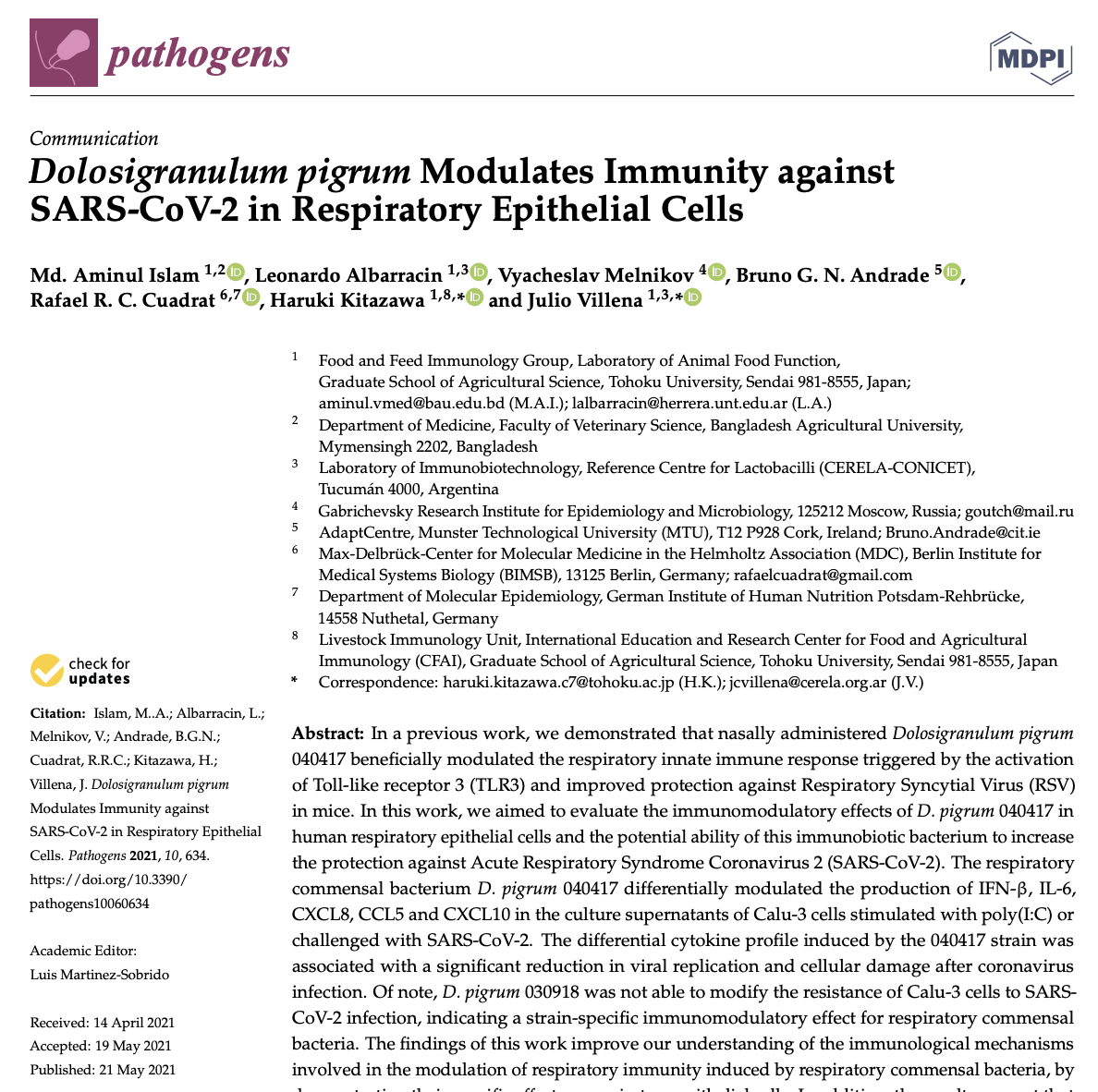
Dolosigranulum pigrum Modulates Immunity against SARS-CoV-2 in Respiratory Epithelial Cells
Abstract: In a previous work, we demonstrated that nasally administered Dolosigranulum pigrum 040417 beneficially modulated the respiratory innate immune response triggered by the activation of Toll-like receptor 3 (TLR3) and improved protection against Respiratory Syncytial Virus (RSV) in mice. In this work, we aimed to evaluate the immunomodulatory effects of D. pigrum 040417 in human respiratory epithelial cells and the potential ability of this immunobiotic bacterium to increase the protection against Acute Respiratory Syndrome Coronavirus 2 (SARS-CoV-2). The respiratory commensal bacterium D. pigrum 040417 differentially modulated the production o...
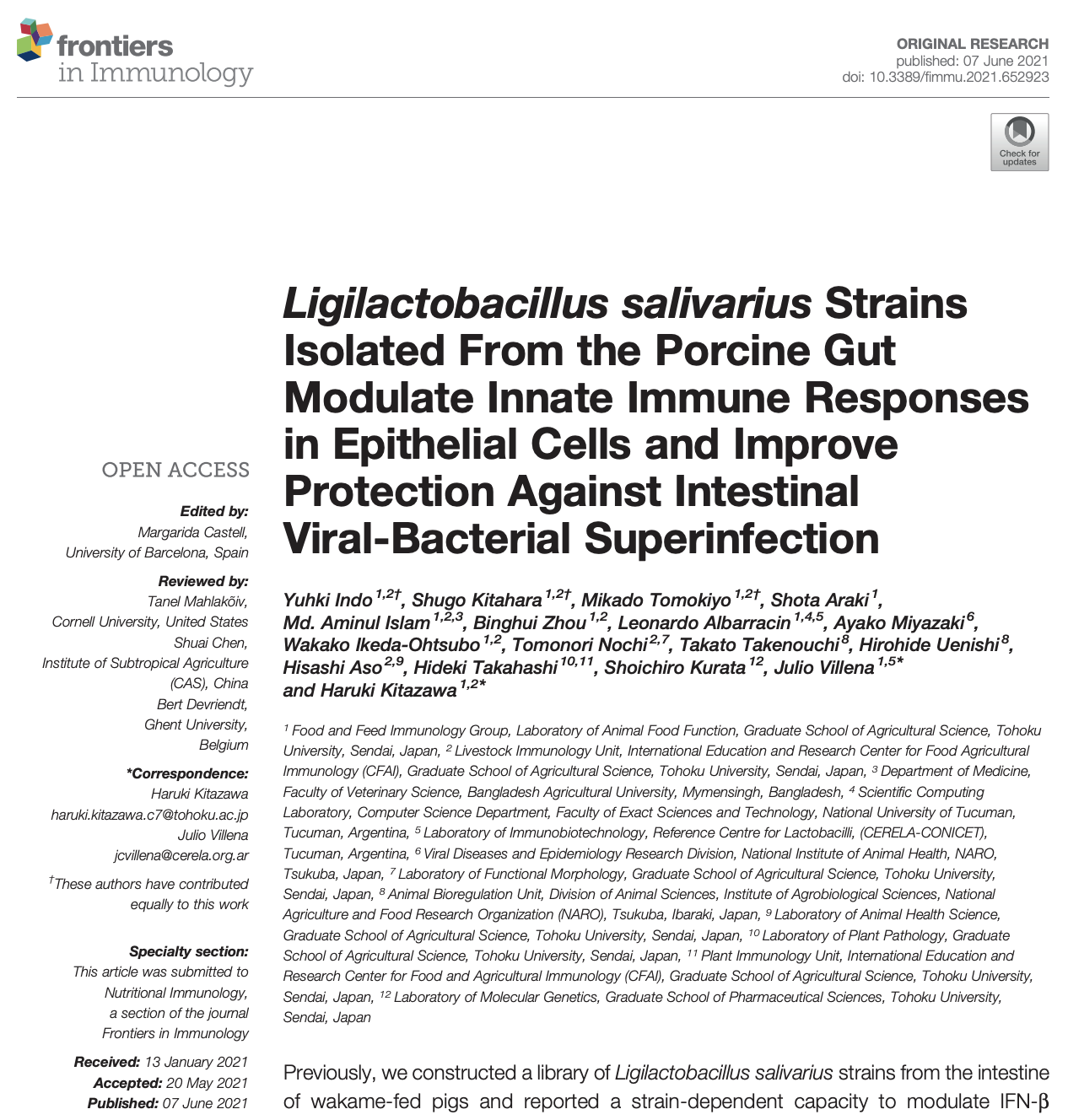
Ligilactobacillus salivarius Strains Isolated From the Porcine Gut Modulate Innate Immune Responses in Epithelial Cells and Improve Protection Against Intestinal Viral-Bacterial Superinfection
Previously, we constructed a library of Ligilactobacillus salivarius strains from the intestine of wakame-fed pigs and reported a strain-dependent capacity to modulate IFN-b expression in porcine intestinal epithelial (PIE) cells. In this work, we further characterized the immunomodulatory activities of L. salivarius strains from wakame-fed pigs by evaluating their ability to modulate TLR3- and TLR4-mediated innate immune responses in PIE cells. Two strains with a remarkable immunomodulatory potential were selected: L. salivarius FFIG35 and FFIG58. Both strains improved IFN-b, IFN-l and antiviral factors expression in PIE cells after TLR3 activation, which correlated with an enhanc...
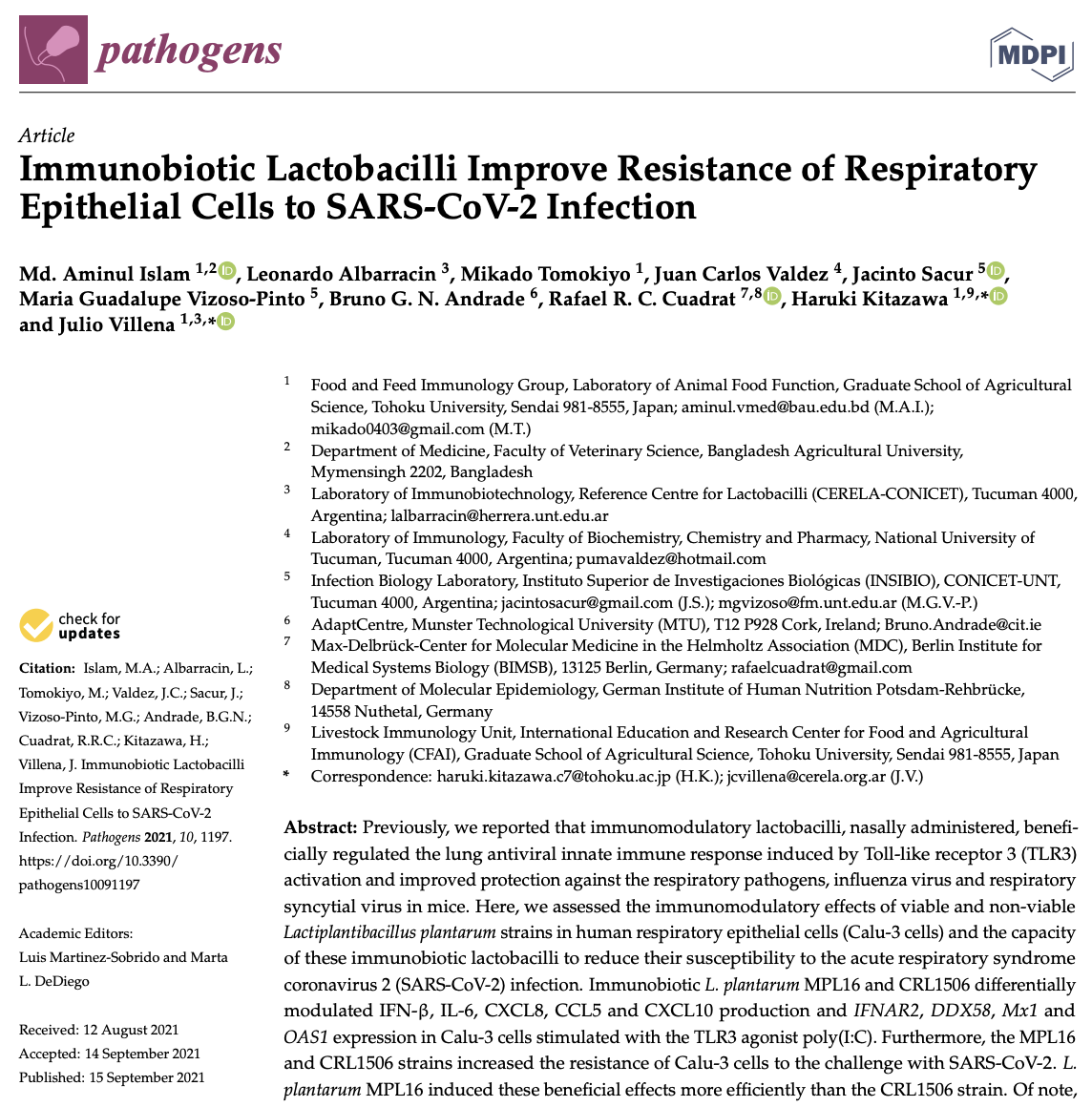
Immunobiotic Lactobacilli Improve Resistance of Respiratory Epithelial Cells to SARS-CoV-2 Infection
Previously, we reported that immunomodulatory lactobacilli, nasally administered, beneficially regulated the lung antiviral innate immune response induced by Toll-like receptor 3 (TLR3) activation and improved protection against respiratory pathogens, influenza virus and respiratory syncytial virus in mice. Here, we assessed the immunomodulatory effects of viable and non-viable Lactiplantibacillus plantarum strains in human respiratory epithelial cells (Calu-3 cells) and the capacity of these immunobiotic lactobacilli to reduce their susceptibility to the acute respiratory syndrome coronavirus 2 (SARS-CoV-2) infection. Immunobiotic L. plantarum MPL16 and CRL1506...


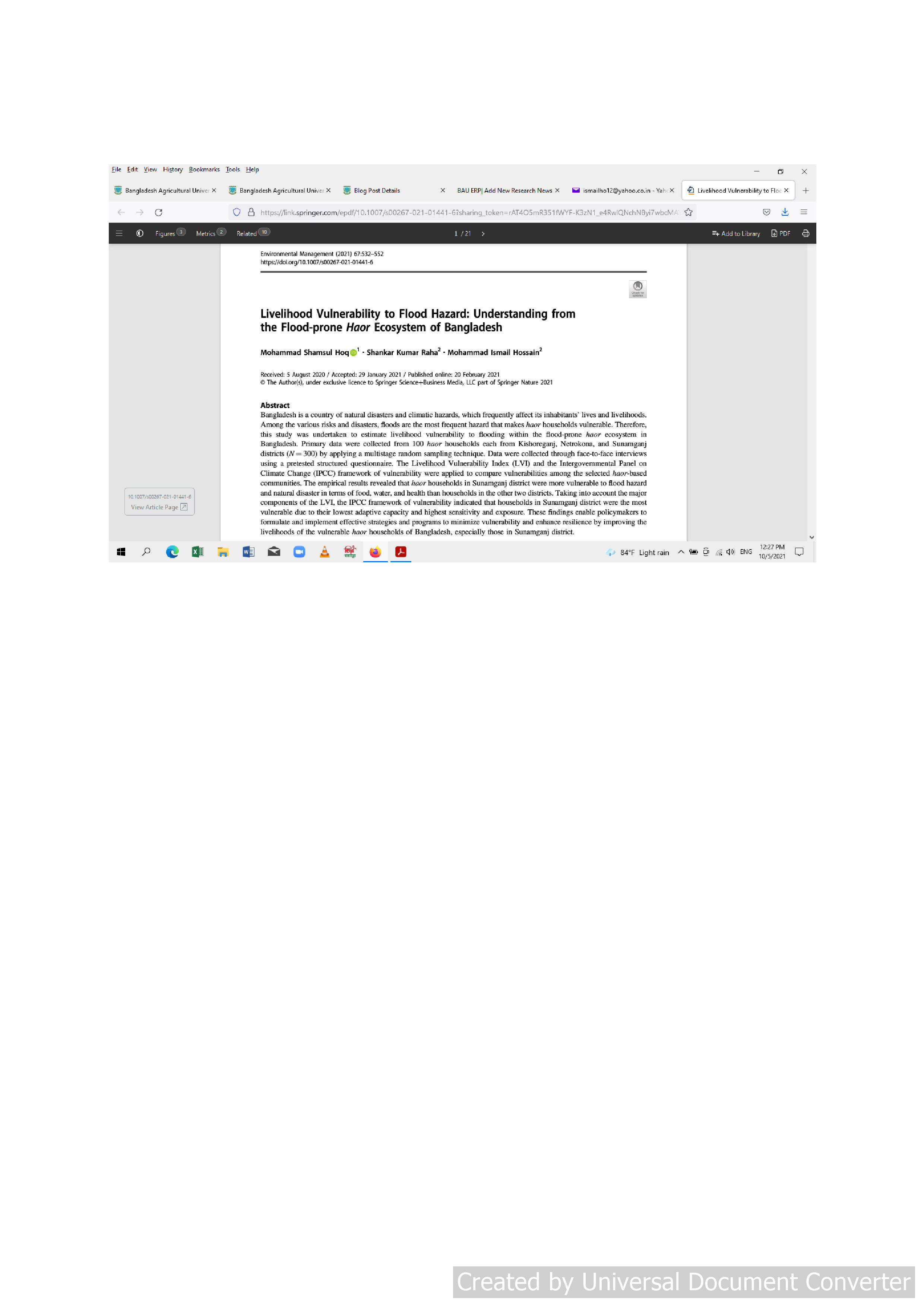
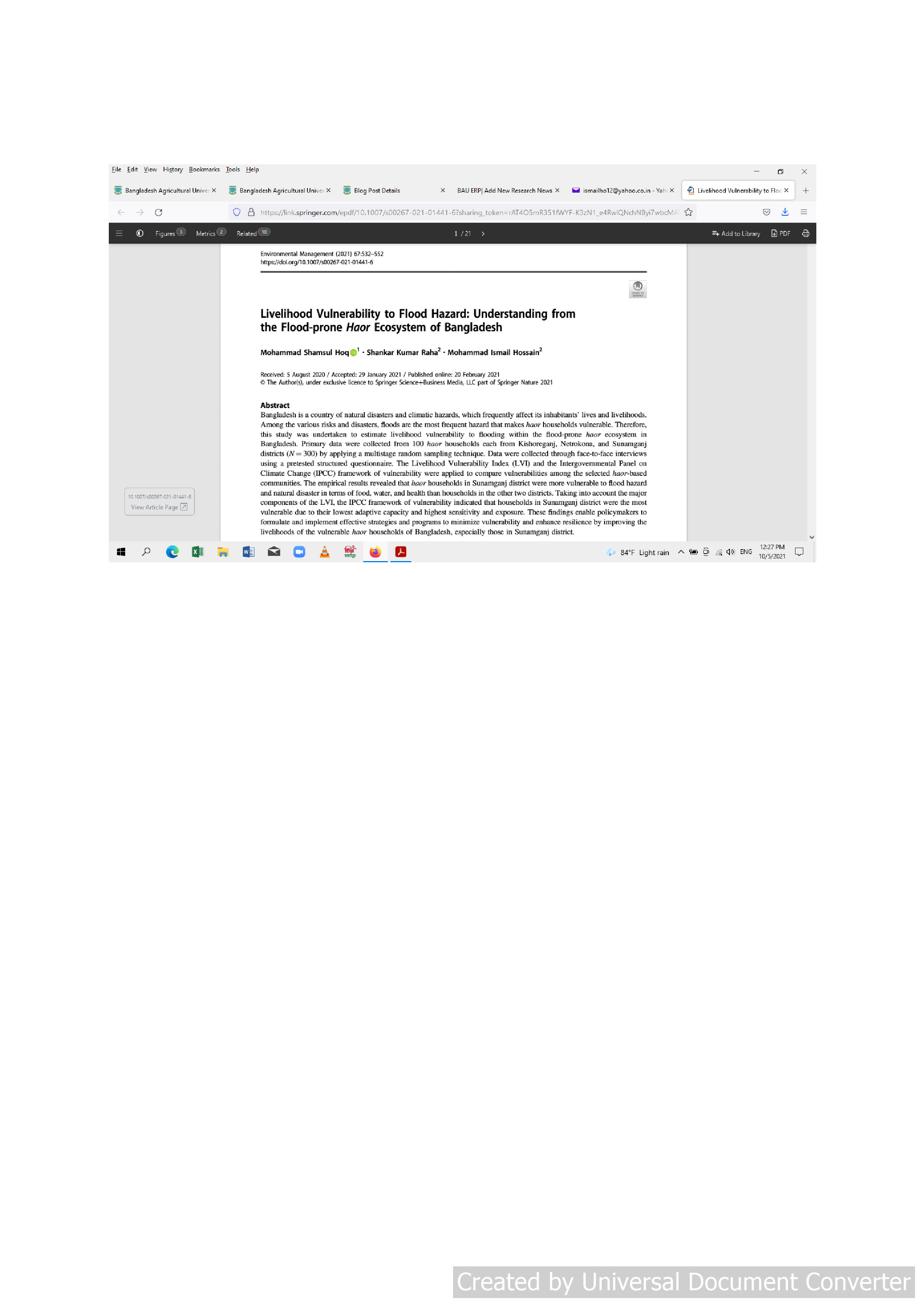
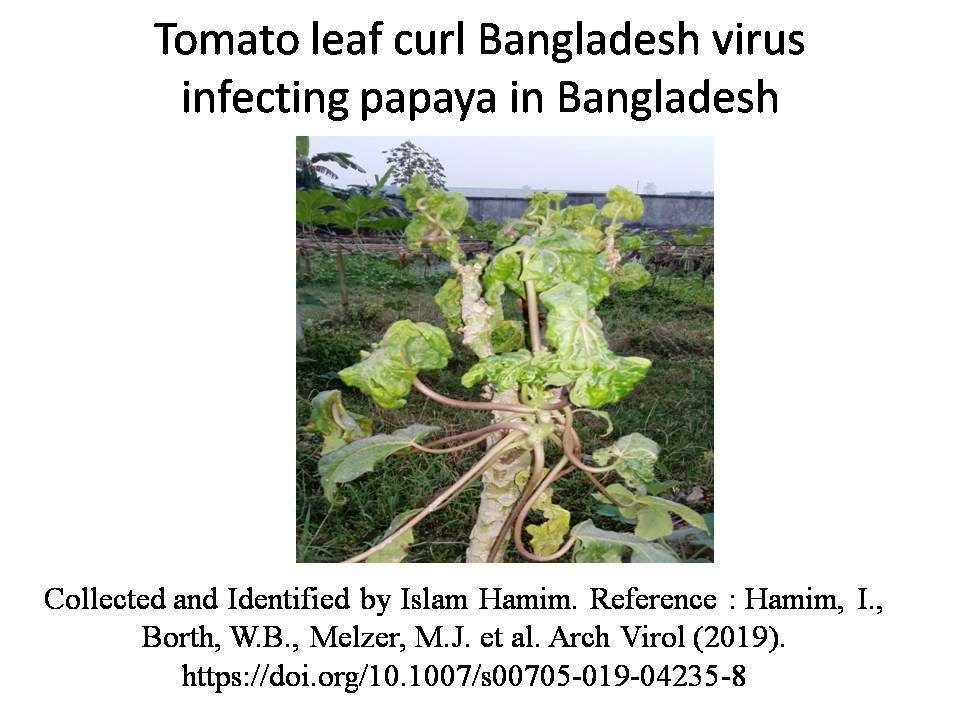
Occurrence of tomato leaf curl Bangladesh virus and associated subviral DNA molecules in papaya in Bangladesh: molecular detection and characterization
Forty-five papaya samples showing severe leaf curl symptoms were tested by PCR with a degenerate primer set for virus species in the genus Begomovirus. Of these, 29 were positive for tomato leaf curl Bangladesh virus (ToLCBV). The complete genome sequences of ToLCBV (GenBank accession no. MH380003) and its associated tomato leaf curl betasatellite (ToLCB) (MH397223) from papaya isolate Gaz17-Pap were determined and characterized. Defective betasatellites were found in ToLCBV-positive papaya isolates Gaz19-Pap, Gaz20-Pap and Gaz21-Pap. This study confirmed that papaya is a host of ToLCBV, ToLCB, and other defective and recombinant DNA satellites in Bangladesh.
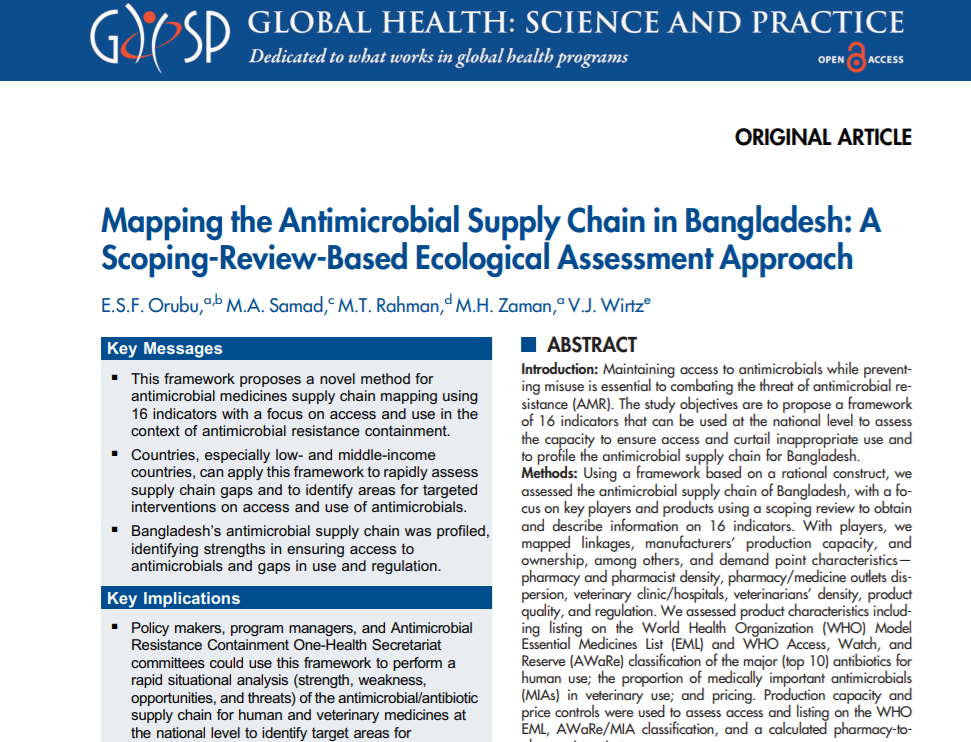
Mapping the antimicrobial supply chain in Bangladesh: a scoping-review based ecological assessment approach. Accepted in Global Health: Science and Practice.
Introduction: Maintaining access to antimicrobials while preventing misuse is essential to combating the threat of antimicrobial resistance (AMR). The study objectives are to propose a framework of 16 indicators that can be used at the national level to assess the capacity to ensure access and curtail inappropriate use and to profile the antimicrobial supply chain for Bangladesh. Methods: Using a framework based on a rational construct, we assessed the antimicrobial supply chain of Bangladesh, with a focus on key players and products using a scoping review to obtain and describe information on 16 indicators. With players, we mapped linkages, manufacturers’ production capacity...
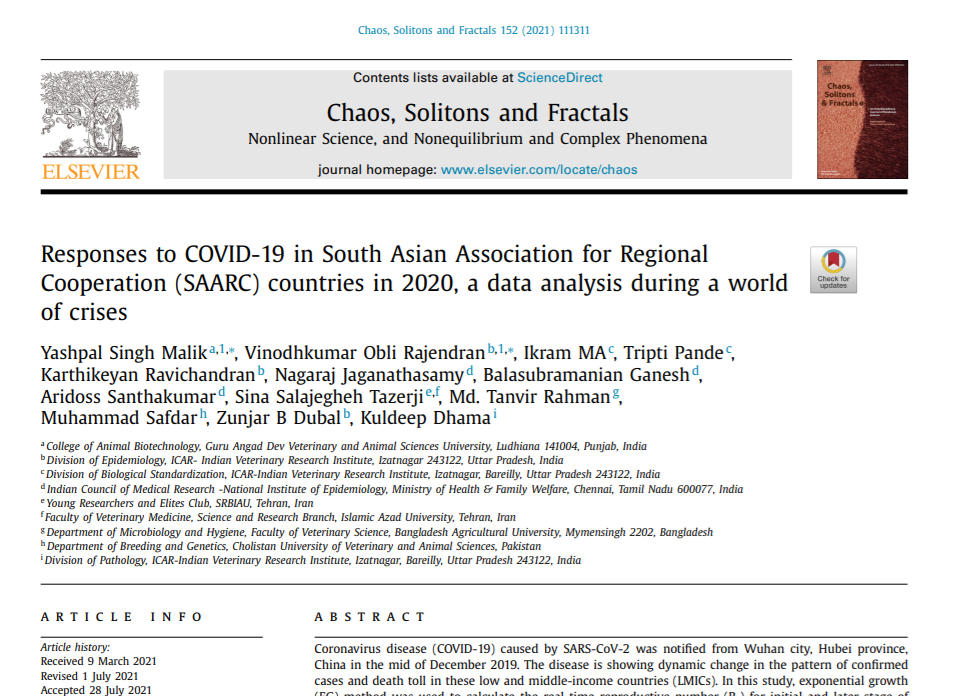
Responses to COVID-19 in South Asian Association for Regional Cooperation (SAARC) countries in 2020, a data analysis during a world of crises. Chaos, Solitons & Fractals.
Coronavirus disease (COVID-19) caused by SARS-CoV-2 was notified from Wuhan city, Hubei province, China in the mid of December 2019. The disease is showing dynamic change in the pattern of confirmed cases and death toll in these low and middle-income countries (LMICs). In this study, exponential growth (EG) method was used to calculate the real-time reproductive number (R t ) for initial and later stage of epidemic in South Asian Association for Regional Cooperation (SAARC) member countries (April 2020 –December 2020). Time dependent (TD) method was used to calculate the weekly real-time reproduction number (R t ). We also presented the observations on COVID-19 epidemiology i...
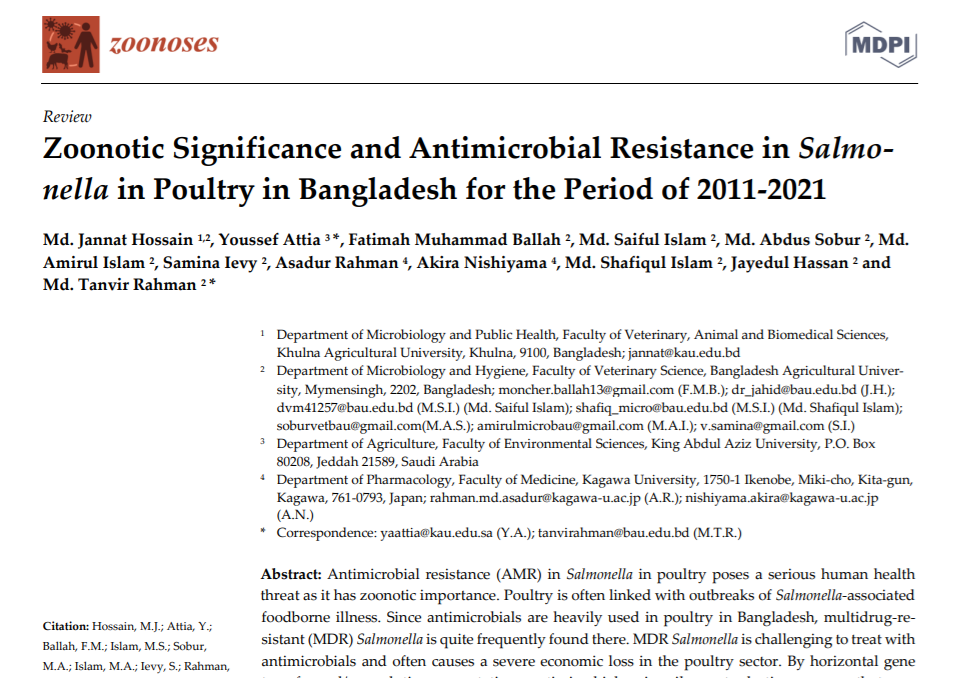
Zoonotic Significance and Antimicrobial Resistance in Salmonella in Poultry in Bangladesh for the Period of 2011-2021
Antimicrobial resistance (AMR) in Salmonella in poultry poses a serious general people health threat as it has a zoonotic importance. Poultry is often linked with an outbreak of Salmonella food-borne illness. Since antibiotics are heavily used in poultry in Bangladesh, multidrug-resistant (MDR) Salmonella is quite frequently found here. MDR Salmonella is challenging to treat and often caused a severe economic loss in poultry industries. Resistance pattern varies in space and time depending on antibiotic-induced selection pressure. Without having prior knowledge of resistance patterns, no effective drugs could be prescribed. Therefore, it is crucial to have updated knowledge on the...
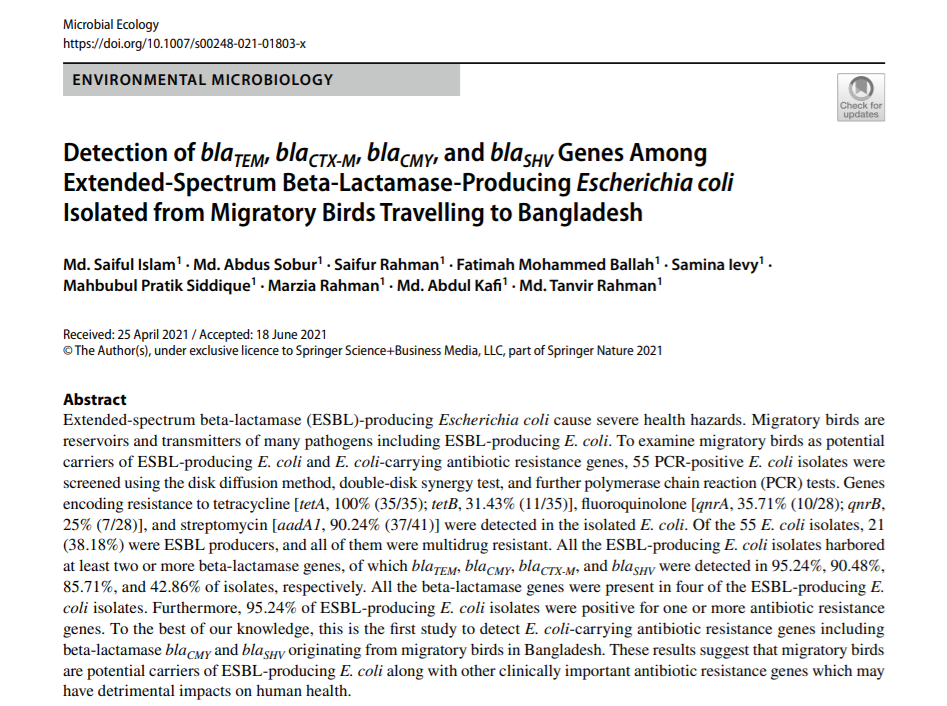
Detection of blaTEM, blaCTX-M, blaCMY, and blaSHV genes among extended-spectrum beta-lactamase producing Escherichia coli isolated from migratory birds traveling to Bangladesh.
Extended-spectrum beta-lactamase (ESBL)-producing Escherichia coli cause severe health hazards. Migratory birds are reservoirs and transmitters of many pathogens including ESBL-producing E. coli. To examine migratory birds as potential carriers of ESBL-producing E. coli and E. coli-carrying antibiotic resistance genes, 55 PCR-positive E. coli isolates were screened using the disk difusion method, double-disk synergy test, and further polymerase chain reaction (PCR) tests. Genes encoding resistance to tetracycline [tetA, 100% (35/35); tetB, 31.43% (11/35)], fuoroquinolone [qnrA, 35.71% (10/28); qnrB, 25% (7/28)], and streptomycin [aadA1, 90.24% (37/41)] were detected in the isolated...
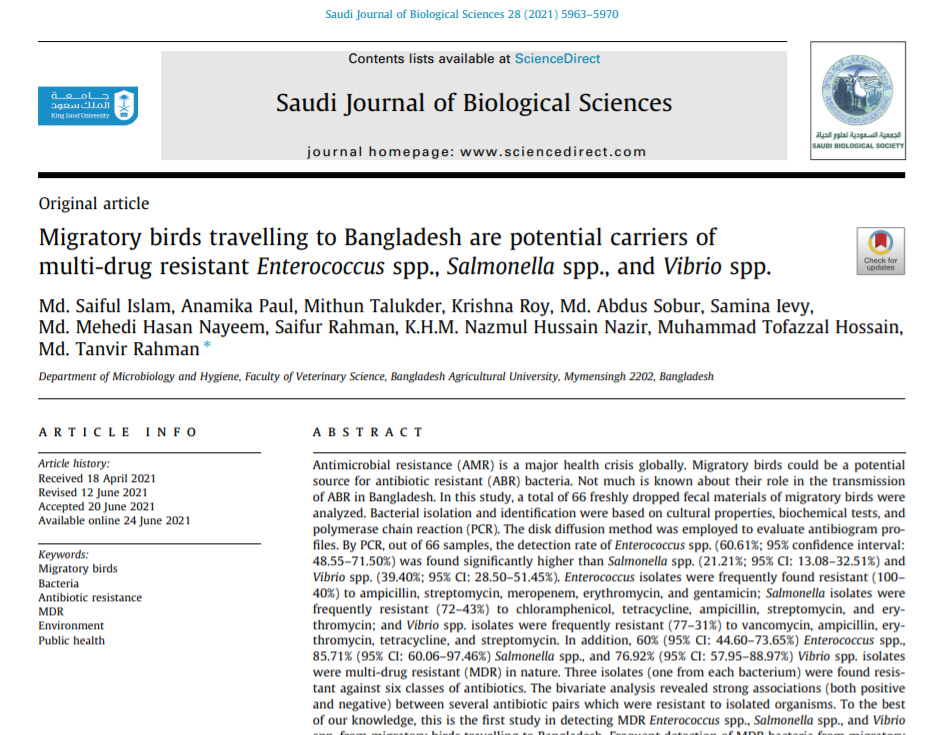
Migratory birds travelling to Bangladesh are potential carriers of multi-drug resistant Enterococcus spp., Salmonella spp., and Vibrio spp. having public health significance.
Antimicrobial resistance (AMR) is a major health crisis globally. Migratory birds could be a potential source for antibiotic resistant (ABR) bacteria. Not much is known about their role in the transmission of ABR in Bangladesh. In this study, a total of 66 freshly dropped fecal materials of migratory birds were analyzed. Bacterial isolation and identification were based on cultural properties, biochemical tests, and polymerase chain reaction (PCR). The disk diffusion method was employed to evaluate antibiogram profiles. By PCR, out of 66 samples, the detection rate of Enterococcus spp. (60.61%; 95% confidence interval: 48.55–71.50%) was found significantly higher than Salmone...
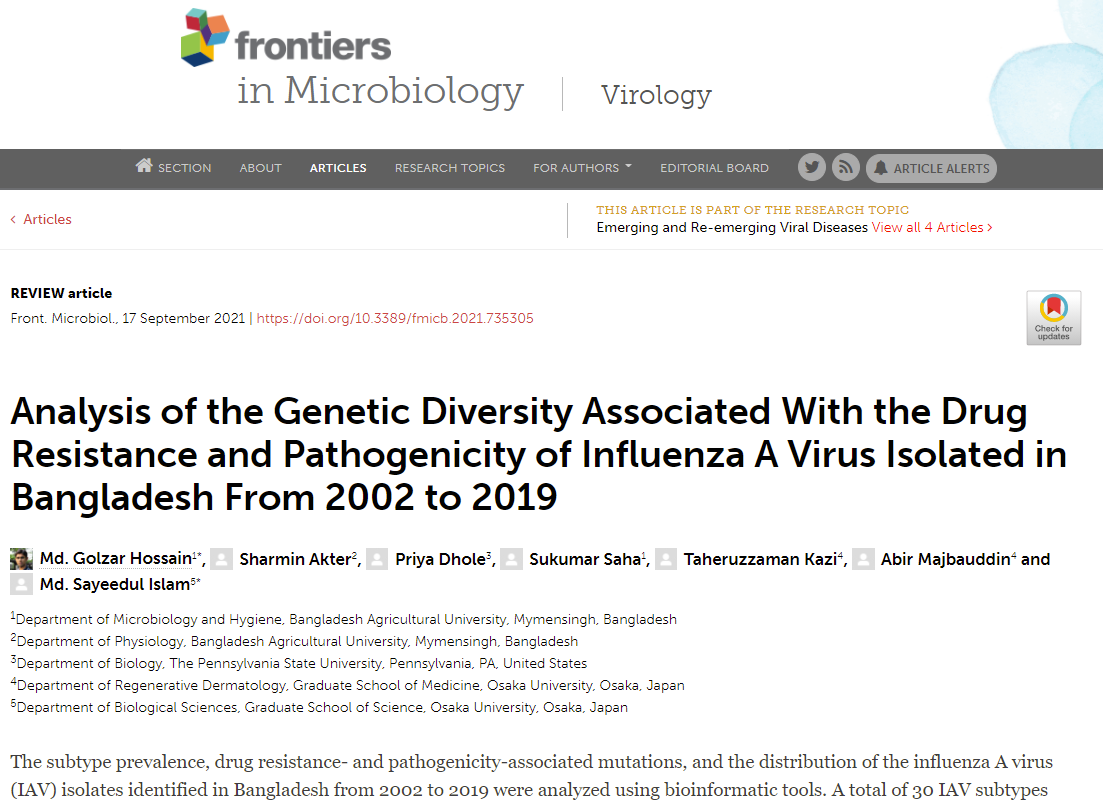
Analysis of the Genetic Diversity Associated With the Drug Resistance and Pathogenicity of Influenza A Virus Isolated in Bangladesh From 2002 to 2019
The subtype prevalence, drug resistance- and pathogenicity-associated mutations, and the distribution of the influenza A virus (IAV) isolates identified in Bangladesh from 2002 to 2019 were analyzed using bioinformatic tools. A total of 30 IAV subtypes have been identified in humans (4), avian species (29), and environment (5) in Bangladesh. The predominant subtypes in human and avian species are H1N1/H3N2 and H5N1/H9N2, respectively. However, the subtypes H5N1/H9N2 infecting humans and H3N2/H1N1 infecting avian species have also been identified. Among the avian species, the maximum number of subtypes (27) have been identified in ducks. A 3.56% of the isolates showed neuraminidase...
A novel DNA-based key scrambling technique for image encryption
Nowadays, data are the most valuable content in the world. In the age of big data, we are generating quintillions of datadaily in the form of text, image, video, etc. Among them, images are highly used in daily communications. Various types ofimages, e.g., medical images, military images, etc. are highly confidential. But, due to data vulnerabilities, transmitting suchimages in a secured way is a great challenge. For this reason, researchers proposed different image cryptography algorithms.Recently, biological deoxyribonucleic acid (DNA)-based concepts are getting popular for ensuring image security as wellas encryption as they show good performance. However, these DNA-based method...
Phytochemical Constituents and Allelopathic Potential ofParthenium hysterophorusL. in Comparison to CommercialHerbicides to Control Weeds
The allelopathic effect of various concentrations (0, 6.25, 12.5, 50 and 100 g L−1) of Parthenium hysterophorus methanol extract on Cyperus iria was investigated under laboratory and glasshouse conditions. No seed germination was recorded in the laboratory when P. hysterophorus extract was applied at 50 g L−1. In the glasshouse, C. iria was mostly injured by P. hysterophorus extract at 100 g L−1. The phytochemical constituents of the methanol extract of P. hysterophorus were analyzed by LC-ESI-QTOF-MS=MS. The results indicated the presence of phenolic compounds, terpenoids, alkaloids, amino acids, fatty a...
Intact Macadamia Nut Quality Assessment Using Near-Infrared Spectroscopy and Multivariate Analysis
As production and demand for high-quality Macadamia nuts rise worldwide, rapid and accurate in-situ methods for monitoring internal nut quality will need to be developed. Therefore, the purpose of this study was to determine the quality (internal nut defects and oil content) of intact macadamia nuts by combining near-infrared spectroscopy with variable selection algorithms and calibration models. Transmission spectra in the ranges of 1,000-1,650 nm from a total of 345 macadamia nuts were acquired. Partial least square-discriminant analysis (PLS-DA) and partial least square regression (PLS-R) models with three different spectral preprocessing techniques were then evaluated using the...
Physiological and Biochemical Responses of Ageratum conyzoides, Oryza sativa f. spontanea (Weedy Rice) and Cyperus iria to Parthenium hysterophorus Methanol Extract
The current study was designed to investigate the effect of Parthenium hysterophorus L. methanol extract on Ageratum conyzoides L., Oryza sativa f. spontanea (weedy rice) and Cyperus iria L. in glasshouse condition. Here, Parthenium hysterophorus methanol extract at 20, 40, and 60 g L−1 concentrations was applied on the test species to examine their physiological and biochemical responses at 6, 24, 48 and 72 h after spraying (HAS). The phytotoxicity of P. hysterophorus was strong on A. conyzoides compared to weedy rice and Cyperus iria at different concentrations and exposure times....
Potentiality of Different Seed Priming Agents to Mitigate Cold Stress of Winter Rice Seedling
Seed priming has proved to be an effective pre-germination seed invigoration technique for different crops to improve seed and seedling performance under different abiotic stresses. In Bangladesh, winter rice is very often exposed to cold waves just after sowing in the nursery bed resulting in poor seed germination and seedling emergence, yellowish and thin seedlings production, and a very low survival rate. Seed priming may mitigate the cold stress during seed germination and seedling emergence and helps in the quality seedling production of winter rice. To evaluate the efficacy of different seed priming techniques in increasing seedling emergence, growth, vigor and&...
Black Cumin (Nigella sativa L.): A Comprehensive Review on Phytochemistry, Health Benefits, Molecular Pharmacology, and Safety
Mounting evidence support the potential benefits of functional foods or nutraceuticals for human health and diseases. Black cumin (Nigella sativa L.), a highly valued nutraceutical herb with a wide array of health benefits, has attracted growing interest from health-conscious individuals, the scientific community, and pharmaceutical industries. The pleiotropic pharmacological effects of black cumin, and its main bioactive component thymoquinone (TQ), have been manifested by their ability to attenuate oxidative stress and inflammation, and to promote immunity, cell survival, and energy metabolism, which underlie diverse health benefits, including protection against metabolic, c...
The role of organ - and daylength - specific gene expression in bulb development and resource management in onion (ALLIUM CEPA L.)
Onion development is a complex process with each developmental event depending on the adequate supply of resources. Also, these resource components themselves are crucial nutrients in onion when consumed as food. For higher yield and better quality in onion production, it is essential to not only have a high level of photosynthesis but also effective transportation of photosynthetic products. A comprehensive set of spatial and developmental time-course experiments detailed the gene expression in onion leaf and bulb tissues during the development of a long-day onion cultivar under long-day and short-day conditions. Candidates included well characterised functional clock genes in Ara...
Preliminary Reports on Comparative Weed Competitiveness of Bangladeshi Monsoon and Winter Rice Varieties under Puddled Transplanted Conditions
Weed-competitive rice cultivars, a viable tool for integrated weed management of rice-field weeds, may greatly reduce the weed pressure and excessive dependence on herbicide in controlling weeds. Based on this premise, field experiments were conducted in 2018 and 2019 during the monsoon and winter rice-growing seasons at the Agronomy Field Laboratory of Bangladesh Agricultural University, Bangladesh, to evaluate the weed competitiveness of the selected rice varieties. A total of 42 monsoon and 28 winter rice varieties from Bangladesh were evaluated under “weedy” and “weed-free” conditions in the puddled transplanted system of cultivation. The field experimen...
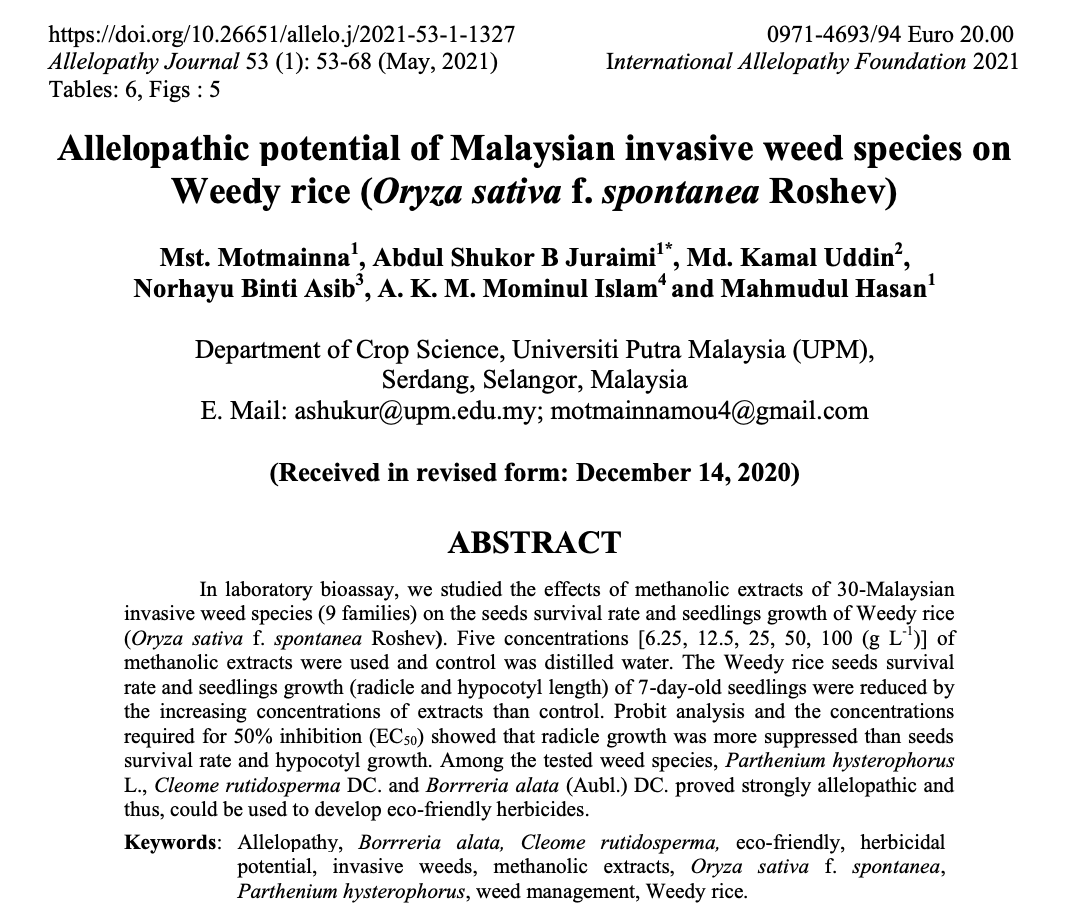
Allelopathic potential of Malaysian invasive weed species on Weedy rice (Oryza sativa f. spontanea Roshev)
In laboratory bioassay, we studied the effects of methanolic extracts of 30-Malaysian invasive weed species (9 families) on the seeds survival rate and seedlings growth of Weedy rice (Oryza sativa f. spontanea Roshev). Five concentrations [6.25, 12.5, 25, 50, 100 (g L-1 )] of methanolic extracts were used and control was distilled water. The Weedy rice seeds survival rate and seedlings growth (radicle and hypocotyl length) of 7-day-old seedlings were reduced by the increasing concentrations of extracts than control. Probit analysis and the concentrations required for 50% inhibition (EC50) showed that radicle growth was more suppressed than seeds survival rate and hypocotyl growth....
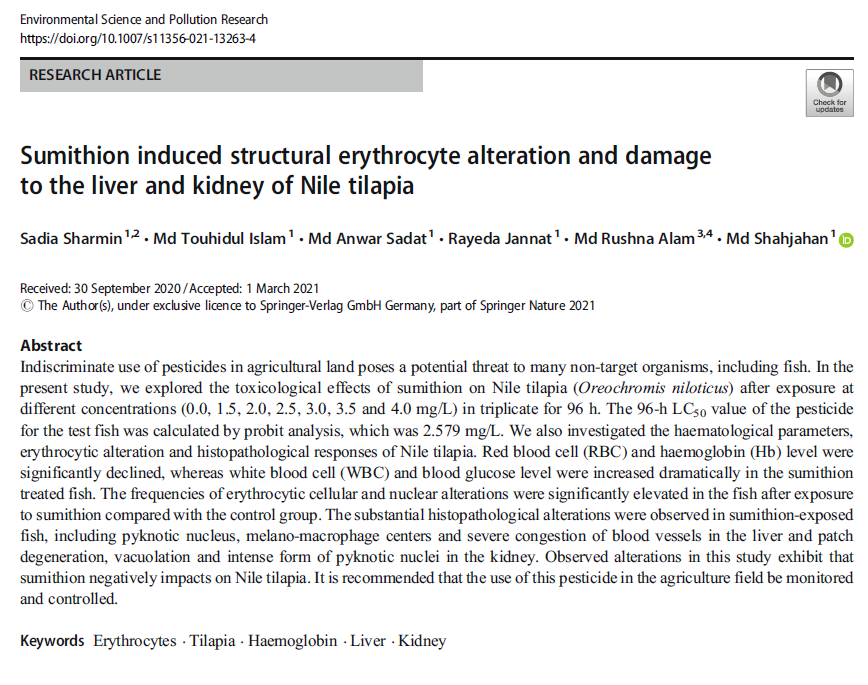
Sumithion-induced structural erythrocytes alteration and damage to the liver and kidney of Nile tilapia
Indiscriminate use of pesticides in agricultural land poses a potential threat to many non-target organisms, including fish. In the present study, we explored the toxicological effects of sumithion on Nile tilapia (Oreochromis niloticus) after exposure at different concentrations (0.0, 1.5, 2.0, 2.5, 3.0, 3.5 and 4.0 mg/L) in triplicate for 96h. The 96h LC50 value of the pesticide for the test fish was calculated by probit analysis, which was 2.579 mg/L. We also investigated the haematological parameters, erythrocytic alteration, and histopathological responses of Nile tilapia. Red blood cell (RBC) and haemoglobin (Hb) level were significantly declined, whereas white blood cell (WB...
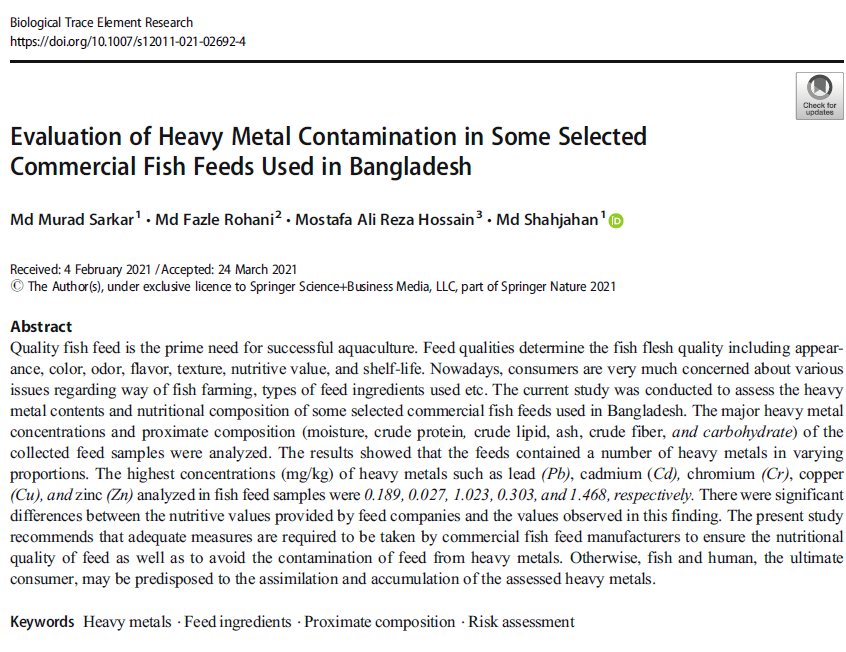
Evaluation of Heavy Metal Contamination in Some Selected Commercial Fish Feeds Used in Bangladesh
Quality fish feed is the prime need for successful aquaculture. Feed qualities determine the fish flesh quality including appearance, color, odor, flavor, texture, nutritive value and shelf-life. Nowadays, consumers are very much concerned about various issues regarding way of fish farming, types of feed ingredients used etc. The current study was conducted to assess the heavy metal contents and nutritional composition of some selected commercial fish feeds used in Bangladesh. The major heavy metal concentrations and proximate composition (moisture, crude protein, crude lipid, ash, crude fibre and carbohydrate) of the collected feed samples were analyzed. The results showed that th...
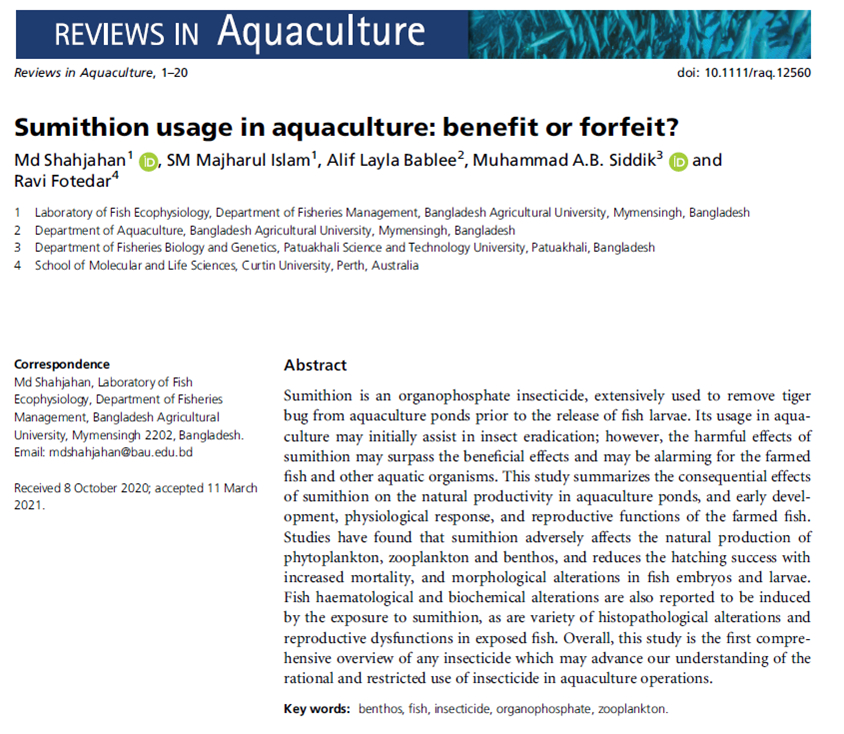
Sumithion usage in aquaculture: benefit or forfeit?
Sumithion is an organophosphate insecticide, extensively used to remove tiger bug from aquaculture ponds prior to the release of fish larvae. Its usage in aquaculture may initially assist in insect eradication, however, the harmful effects of sumithion may surpass the beneficial effects and may be alarming for the farmed fish and other aquatic organisms. This study summarizes the consequential effects of sumithion on the natural productivity in aquaculture ponds, and early development, physiological response, and reproductive functions of the farmed fish. Studies have found that sumithion adversely affects the natural production of phytoplankton, zooplankton and benthos, and reduce...
Follow-up of bacterial and physicochemical quality of water during live transportation of Climbingperch (Anabas testudineus) in Bangladesh
ABSTRACTThis study was conducted to evaluate the changes in viable count of bacteria and physicochemical parameters, and their correlationsin the changing pattern during live transportation of Climbing perch, (Anabas testudineus). Investigations were conducted in three live fish supply channels of Bangladeshfrom Mymensingh to Dhaka (channel 1), Mymensingh to Sylhet (channel 2), and from Mymensingh to Rajshahi (channel 3). It took nearly 6 h in channel 1, 8 h in channel 2, and 8 h in channel 3 for the live fish to reach the unloading points of destination. Viable count of bacteria and physicochemical parameters, such as temperature, dissolved oxygen (DO), pH, and ammoniawere recorde...
Bacterial Count and Proximate Composition of an Indian sub-continental Freshwater Barb, Punti (Puntius sophore) and a Gangetic Catfish, Gulsha (Mystus cavasius) during Drying-up Process
The study was conducted to evaluate the changes in aerobic plate count (APC) and proximate composition with the aim to establish the relationship between APC and different components (such as moisture, crude protein, lipid, and ash) of proximate composition at different time intervals during the drying process of fish. Two small indigenous species (SIS) of fish, such as an Indian sub-continental freshwater barb, punti (Puntius sophore), and a Gangetic catfish, gulsha (Mystus cavasius) were dried using both traditional and improved techniques. The APCs of studied fishes gradually decreased regardless of species and drying techniques. However, the counts were slightly higher in tradi...
Bioherbicidal Properties of Parthenium hysterophorus, Cleome rutidosperma and Borreria alata Extracts on Selected Crop and Weed Species
Natural product-based herbicides could be the effective alternatives to synthetic chemical herbicides for eco-friendly weed management. This research, therefore, was conducted to identify the phytotoxic properties of Parthenium hysterophorus L., Cleome rutidosperma DC. and Borreria alata (Aubl.) DC. with a view to introducing them as a tool for natural herbicide development. The methanol extracts of these plants were examined on the germination and growth of Zea mays L., Oryza sativa L., Abelmoschus esculentus (L.) Moench and Amaranthus gangeticus L., Oryza sativa f. Spontanea Roshev. (Weedy r...
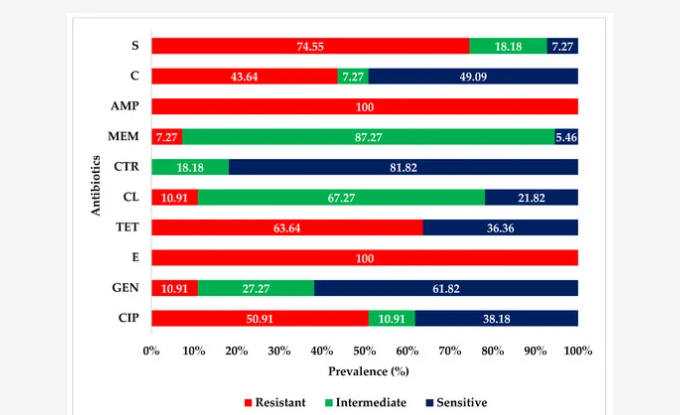
Virulence Determinants and Multidrug Resistance of Escherichia coli Isolated from Migratory Birds
Virulence Determinants and Multidrug Resistance of Escherichia coli Isolated from Migratory Birds Published in Antibiotics 10, 190. doi.org/10.3390/antibiotics10020190, Impact Factor 3.893 Migratory birds are carriers of multidrug resistant pathogenic Escherichia coli. However, their roles in the dissemination of these resistant pathogens are still being neglected in Bangladesh. The present study was therefore carried out to detect multidrug resistant E. coli. In addition, these isolates were also screened for the presence of avian pathogenic E. coli (APEC)-associated virulence genes. A total of 66 fecal matter samples of migratory b...
Emerging potential of cannabidiol in reversing proteinopathies
The aberrant accumulation of disease-specific protein aggregates accompanying cognitive decline is a pathological hallmark of age-associated neurological disorders, also termed as proteinopathies, including Alzheimer’s disease, Parkinson’s disease, Huntington’s disease, amyotrophic lateral sclerosis and multiple sclerosis. Along with oxidative stress and neuroinflammation, disruption in protein homeostasis (proteostasis), a network that constitutes protein surveillance system, plays a pivotal role in the pathobiology of these dementia disorders. Cannabidiol, a non-psychotropic phytocannabinoid of Cannabis sativa, is known for its pleiotropic neuropharmacological e...
Potential Therapeutic Role of Phytochemicals to Mitigate Mitochondrial Dysfunctions in Alzheimer’s Disease
Abstract: Alzheimer’s disease (AD) is a progressive neurodegenerative disorder characterized by adecline in cognitive function and neuronal damage. Although the precise pathobiology of AD remainselusive, accumulating evidence suggests that mitochondrial dysfunction is one of the underlyingcauses of AD. Mutations in mitochondrial or nuclear DNA that encode mitochondrial componentsmay cause mitochondrial dysfunction. In particular, the dysfunction of electron transport chaincomplexes, along with the interactions of mitochondrial pathological proteins are associated withmitochondrial dysfunction in AD. Mitochondrial dysfunction causes an imbalance in the productionof reactive ox...
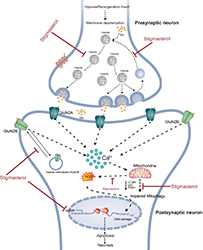
The potential LXRβ agonist stigmasterol protects against hypoxia/reoxygenation injury by modulating mitophagy in primary hippocampal neurons
Background: Neuronal excitotoxicity induces a plethora of downstream signaling pathways, resulting in the calcium overload-induced excitotoxic cell death, a well-known phenomenon in cerebrovascular and neurodegenerative disorders. The naturally occurring phytosterol, stigmasterol (ST) is known for its potential role in cholesterol homeostasis and neuronal development. However, the ability of ST to protect against the induced excitotoxicity in hippocampal neurons has not been investigated yet. Purpose: The present study aimed to investigate whether ST could protect against hypoxia/reoxygenation (H/R)-induced excitotoxicity in hippocampal neurons. Methods: After H/R, neurons were i...
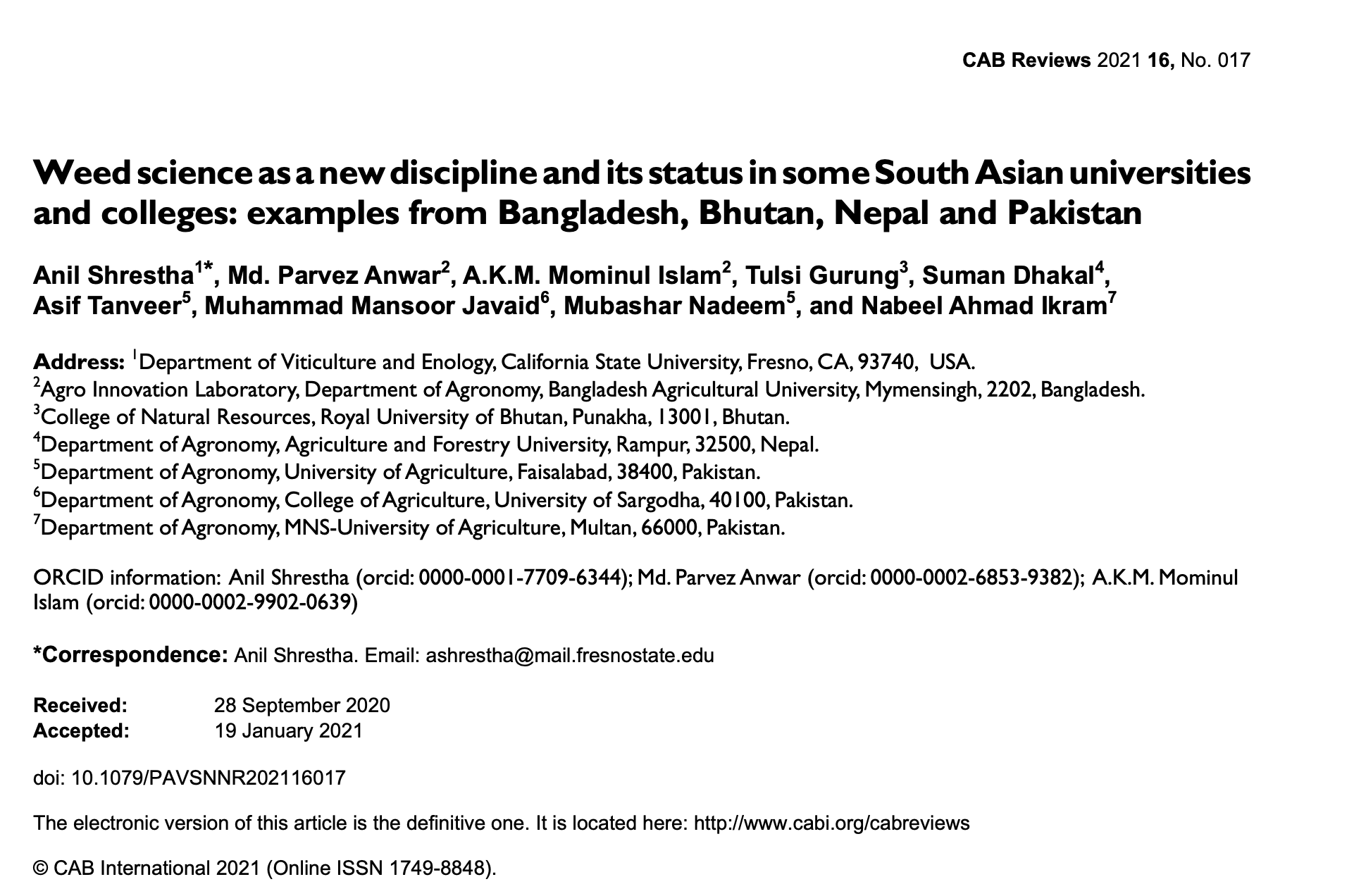
Weed science as a new discipline and its status in some South Asian universities and colleges: examples from Bangladesh, Bhutan, Nepal and Pakistan
Agriculture is the most important sector of the economy and livelihood in South Asia. Of the many biotic stresses in agriculture, weeds pose a continuous threat and cause considerable yield losses in the major crops. In the past, ample human labour was available for weed management in South Asia. However, in recent years, there has been a steady decline in labour availability in this region due to migration to other better-paying sectors. Thus, farmers are rapidly adopting less labour-intensive, chemical weed control methods. Adoption of chemical control methods requires formal and nonformal education in herbicide mode of action, safety and weed biology. We emphasize that sound for...
O-aryl and Carbonyl Carbon Contents of Food Waste and Biosolid Predict P Availability in an Acidic Soil
Organic waste streams, otherwise known as organic amendments (OA), containpotentially valuable nutrients which may additionally increase legacy nutrient availabilityin soil. This is particularly the case for phosphorus (P) where declining reserves ofrock phosphate add an extra dimension to their utility. In acidic soils, OA have beenreported to increase P availability through the action of O-aryl and carbonyl groups(represent organic acid compounds) by substituting previously fixed, legacy P andforming organometallic complexes to reduce P sorption. This study aimed to investigateif signature P (orthophosphate) and C (O-aryl and carbonyl) content of OA could beused to predict soil P...
Molecular detection of multi drug resistant Avian Pathogenic Escherichia coli (APEC) for the first time in layer farms in Bangladesh
Avian pathogenic Escherichia coli (APEC) causes significant economic losses in poultry industries. Here, we determined for the first time in Bangladesh, the prevalence of APEC-associated virulence genes in E. coli isolated from layer farms and their antibiotic resistance patterns. A total of 99 samples comprising internal organs, feces, and air were collected from 32 layer farms. Isolation was performed by culturing samples on eosin–methylene blue agar plates, while the molecular detection of APEC was performed by PCR, and antibiograms were performed by disk diffusion. Among the samples, 36 were positive for the APEC-associated virulence genes fimC,&n...
Impact of Constant and Fluctuating Temperatures on Population Characteristics of Tetranychus pacificus (Acari: Tetranychidae)
To understand the effect of fluctuating temperature on the population characteristics of Tetranychus pacificus, we determined their life tables under constant temperatures between 10 and 35°C and fluctuating temperatures (12 h per day at each of 5°C above and 5°C below the corresponding constant temperature). Tetranychus pacificus eggs did not hatch when held at a constant temperature of 10°C, whereas 77.6% of the T. pacificus eggs reached an adult life stage at fluctuating temperature 10°C ± 5°C. Female preadult development was faster under fluctuating temperatures 12.5, 15, and 20°C than under constant temperatures, wher...

Peste des Petits Ruminants Risk Factors and Space-Time Clusters in Bangladesh
Peste des Petits Ruminants (PPR) is endemic in Bangladesh, but its spatial distribution and risk factors have not yet been reported. Using four years of national-level, passive surveillance data (2014 to 2017), in this study we aimed to identify risk factors, create PPR risk maps and describe PPR time-space clusters. We selected PPR case records—mainly based on presumptive diagnosis of small ruminants in subdistrict veterinary hospitals—and sheep and goat population data from all 64 districts of Bangladesh. Peste des Petits Ruminants cumulative incidence per 10,000 animals at risk per district was used to conduct cluster and hotspot analysis and create predictive maps...
Studying the effects of profenofos, an endocrine disruptor on organogenesis of zebrafish
Profenofos, an endocrine-disrupting chemical that can enter into the aquatic ecosystem either through surface runoff or percolation of a toxicant from the soil. In order to clarify the effect of profenofos on the developmental stages of zebrafish, the embryos were treated with serial dilutions of profenofos (0%, 10%, 25%, and 50% of LC50). Embryos were treated with profenofos for seven days or until hatching. The toxic endpoints assessed include - hatching time, survival, malformation, and heartbeats of the embryos. In a 96h-test on zebrafish embryos, the LC50 of profenofos was 0.057mg/L. Profenofos considerably lowered su...
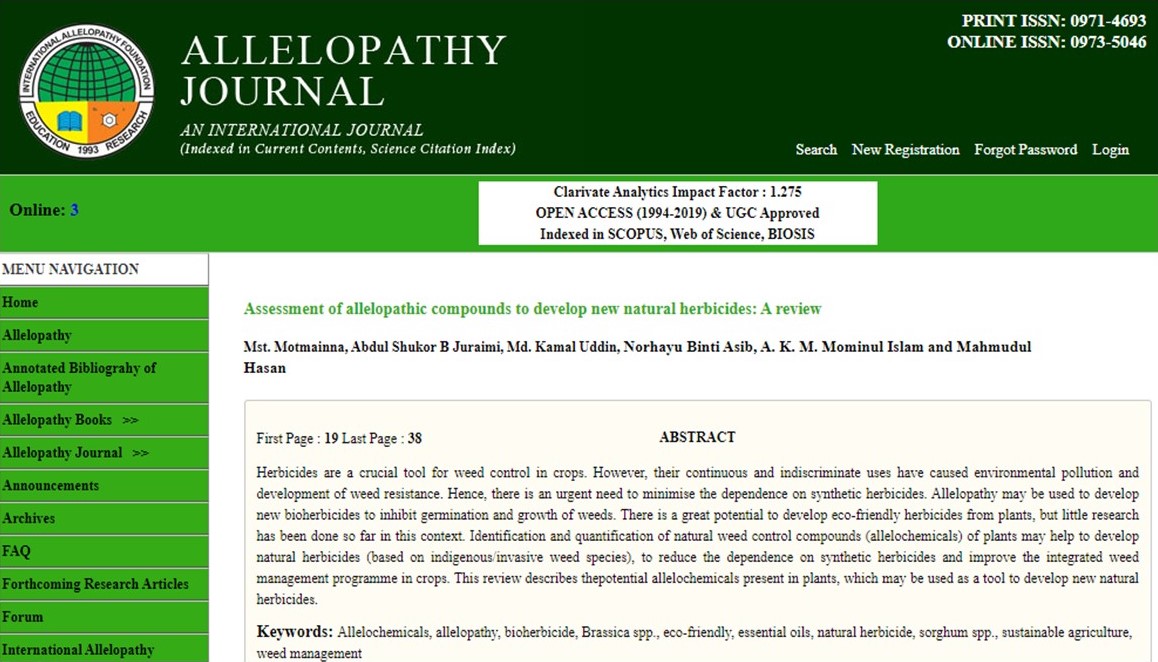
Assessment of allelopathic compounds to develop new natural herbicides: A review
Herbicides are a crucial tool for weed control in crops. However, their continuous and indiscriminate uses have caused environmental pollution and development of weed resistance. Hence, there is an urgent need to minimise the dependence on synthetic herbicides. Allelopathy may be used to develop new bioherbicides to inhibit germination and growth of weeds. There is a great potential to develop eco-friendly herbicides from plants, but little research has been done so far in this context. Identification and quantification of natural weed control compounds (allelochemicals) of plants may help to develop natural herbicides (based on indigenous/invasive weed species), to reduce the depe...
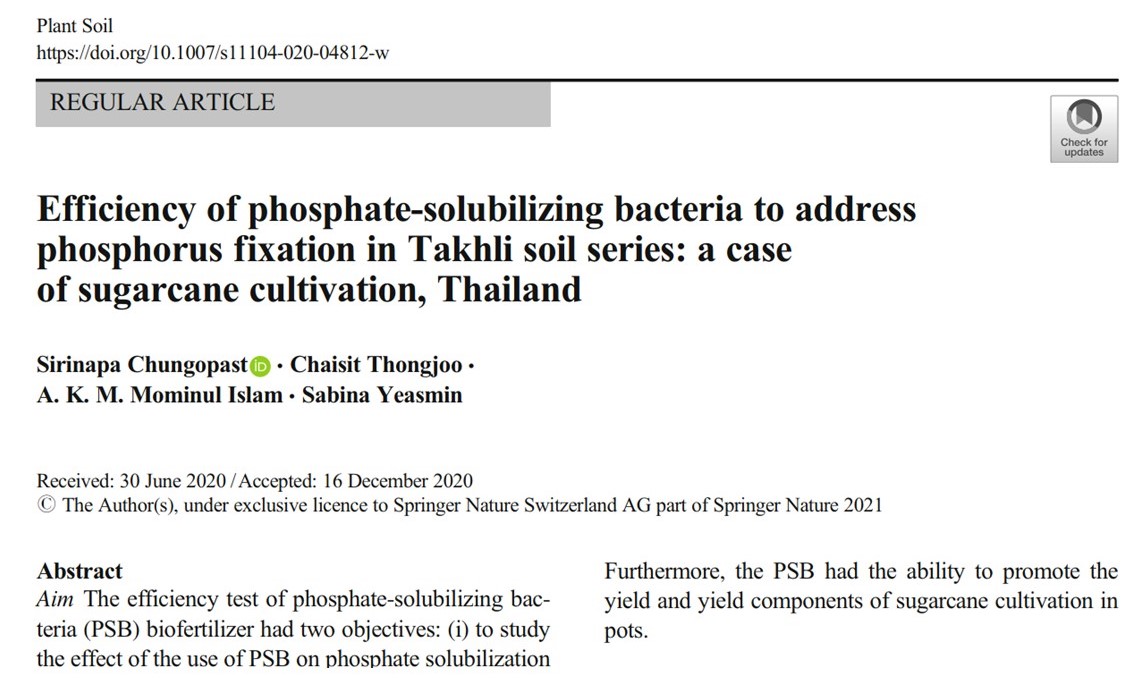
Efficiency of phosphate-solubilizing bacteria to address phosphorus fixation in Takhli soil series: a case of sugarcane cultivation, Thailand
Aim The efficiency test of phosphate-solubilizing bacteria (PSB) biofertilizer had two objectives: (i) to study the effect of the use of PSB on phosphate solubilization of the Takhli (Tk) soil series in soil columns and, (ii) to study their impact on sugarcane (cv. Lampang) cultivation in pots. Methods PSB were identified and examined for phosphate-solubilizing activity on culture medium. In soil columns, the available phosphorus was analyzed from leached water. In pots, the yield and yield components of sugarcane were measured at age 12 months. Results The PSB belonged to the Bacillus group. The use of PSB at a rate of 64 g kg−1 in the...
Response of plantain (Plantago lanceolata L.) supplementation on nutritional, endo-parasitic, and endocrine status in lambs
The aim of the present study was to assess the effects of plantain herb (Plantago lanceolata L.) supplementation on growth, plasma metabolites, liver enzymatic activity, hormonal status, gastrointestinal parasites, and carcass characteristics of lambs. A total of 24 lambs, aged 6 months weighing 8.0 ± 0.5 kg were randomly allocated to one of two dietary treatments: (1) CL diet—roadside grass and concentrate mixture; (2) PL diet—CL diet + 5% fresh plantain supplementation on a DM basis. The PL diet group exhibited 23% higher (P = 0.01) average daily gain and 15% improved (P = 0.03) feed conversion efficiency. Cir...
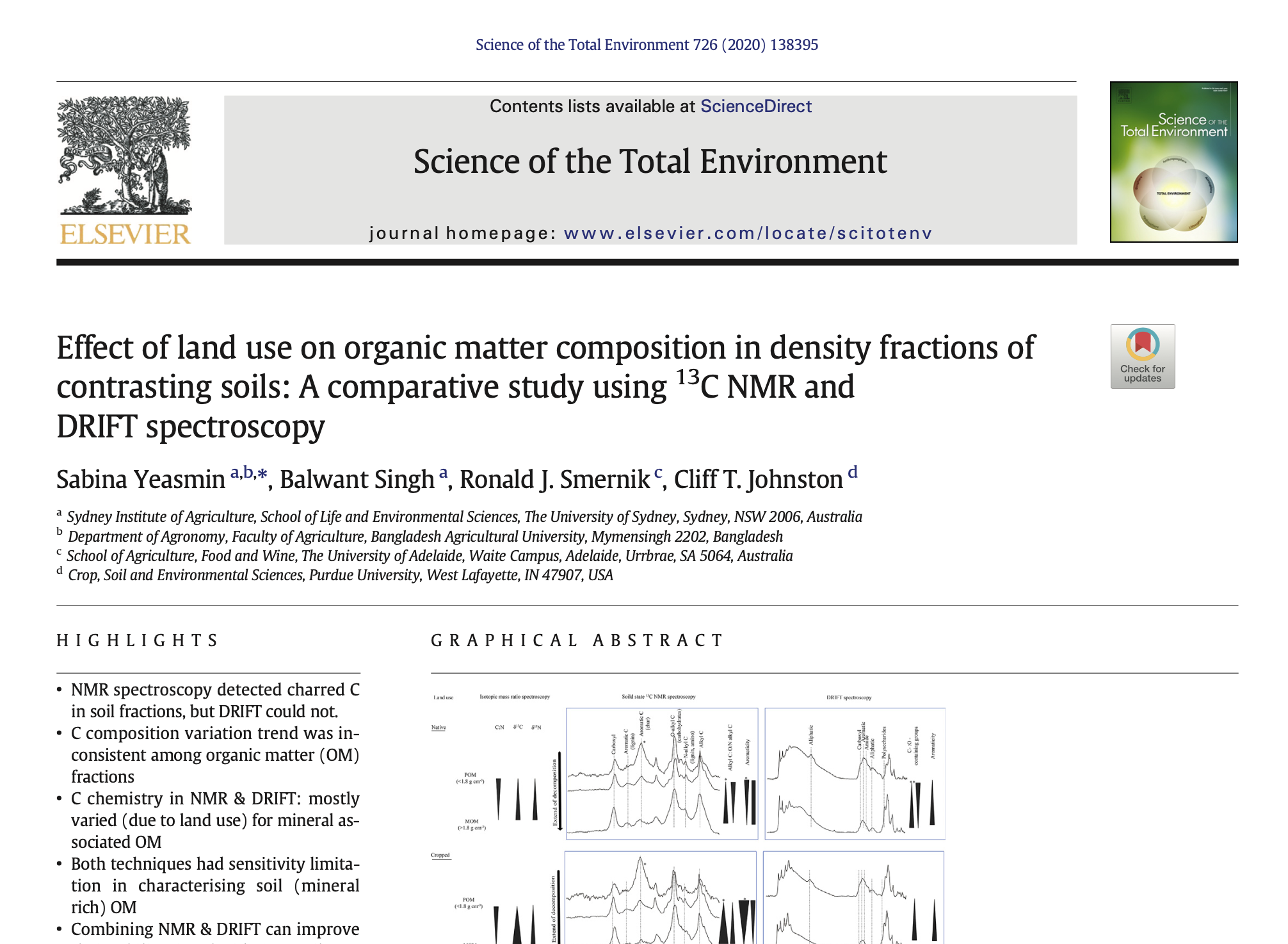
Effect of land use on organic matter composition in density fractions of contrasting soils: A comparative study using 13C NMR and DRIFT spectroscopy
13C CP-MAS nuclear magnetic resonance (NMR) and diffuse reflectance infrared Fourier transform (DRIFT) spectroscopies were compared for evaluating their potential to characterise the influence of land use change on organic carbon (OC) chemistry of particulate organic matter (POM) and mineral associated OM (MOM) fractions of different soil types. Surface soil samples of Ferralsol, Luvisol, Vertisol and Solonetz were collected from native and crop lands and isolated into different density fractions. NMR and DRIFT showed distinct OC composition for all the soil fractions of two land uses. In NMR spectra, greater proportion of carbohydrate and aromatic C was observed in POM, while MOM...
Interactive Effect of Weeding Regimes, Rice Cultivars, and Seeding Rates Influence the Rice-Weed Competition under Dry Direct-Seeded Condition
Dry direct-seeded rice (Oryza sativa L.), a climate-smart and resource-efficient (labor and water) rice production technology is gaining popularity in many parts of Asian countries; however, weeds are the major constraints for its early establishment and optimum productivity. Chemical weed management is effective, rapid, and also decreases weed management costs in dry direct-seeded rice (DSR) system; however, chemical use for weed management have a negative effect on the environment and also have human health hazards. Therefore, integrated weed management (IWM) is the best option for the sustainability of rice production under the DSR system. Improving competitiveness against...
Sequential Pathology of a Genotype XIII Newcastle Disease Virus from Bangladesh in Chickens on Experimental Infection
How to cite: Kabiraj, C.K., Mumu, T.T., Chowdhury, E.H., Islam, M.R., Nooruzzaman, M. (2020). Sequential Pathology of a Genotype XIII Newcastle Disease Virus from Bangladesh in Chickens on Experimental Infection. Pathogens 9, 539. doi: 10.3390/pathogens9070539 Abstract: The sequential pathology of a genotype XIII Bangladeshi strain of Newcastle disease virus (NDV) was studied in 5-weeks old chickens. Layer chickens of ISA Brown breed were inoculated through the intranasal and intraocular routes with the BD-C161/2010 strain of NDV and examined at dierent times post-infection (pi). NDV-infected chickens showed depression at 3 days pi (dpi) followed by dropped wings...
Sequential hematological and serum biochemical changes of Black Bengal goats infected with a local isolate of peste des petits ruminants virus from Bangladesh
How to cite: Begum, S., Nooruzzaman, M., Hasnat, A., Islam, M.R., Chowdhury, E.H.* (2020): Sequential hematological and serum biochemical changes of Black Bengal goats infected with a local isolate of peste des petits ruminants virus from Bangladesh. Veterinary Medicine and Science 00:1–9. doi: 10.1002/vms3.373 AbstractBackground: Knowledge of sequential changes in haematobiochemical parameters of infected animals helps in the formulation of appropriate supportive therapy. Objective: We investigated the sequential haematological and biochemical changes in peste des petits ruminants (PPR)-infected Black Bengal goats.Methods: Goats were either infected with PPR virus (PPRV; n...
Pathology of an outbreak of highly pathogenic avian influenza A(H5N1) virus of clade 2.3.2.1a in turkeys in Bangladesh
Citation: Mumu, T.T., Nooruzzaman, M.*, Hasnat, A., Parvin, R., Chowdhury, E.H., Bari, A.S.M., Islam, M.R. (2020): Pathology of an outbreak of highly pathogenic avian influenza A(H5N1) virus of clade 2.3.2.1a in turkeys in Bangladesh. Journal of Veterinary Diagnostic Investigation. October 2020. doi:10.1177/1040638720965540
Isolation of peste des petits ruminants virus using primary goat kidney cell culture from kidneys obtained at slaughter
Citation: Begum, S., Nooruzzaman, M., Hasnat, A., Parvin, M.M., Parvin, R., Islam, M.R., Chowdhury, E.H. (2020): Isolation of peste des petits ruminants virus using primary goat kidney cell culture from kidneys obtained at slaughter. Veterinary Medicine and Science, 10.1002/vms3.413. Advance online publication. https://doi.org/10.1002/vms3.413 AbstractBackground: Traditionally isolation of peste des petits ruminant virus (PPRV) is performedin Vero cells that takes several blind passages before observing typical cytopathiceffects (CPEs). As an alternate, researchers have been using lamb kidney (LK)cells but day-old lambs are difficult to obtain and requires animal sacrifice.Objecti...
Effect of herbal supplementation on growth, immunity, rumen histology, serum antioxidants and meat quality of sheep
There is a wide range of feed additives deliberately designed to be used in sheep diets that can improve production performance. Whereas herbal supplementation is gaining popularity not only for improving sheep productivity and mutton quality but also for safe application without any harmful residual effects. The present study was designed to investigate the effect of plantain (Plantago lanceolata L.) and/or garlic leaf (Allium sativum) dietary supplementation on growth performance, immunity, rumen histology, serum antioxidants and meat quality of sheep. The experiment consisted of a completely randomized design with 32 one-year-old sheep (initial mean live weight 9 ± 0...
Rahman, M.T., Sobur, M.A., Islam, M.A., Ievy, S., Hossain, M.J., Zowalaty, M.E., Rahman, A.M.M.T., and Hossam, M.A. (2020). Zoonotic Diseases: Etiology, Impact, and Control. Microorganisms 2020, 8(9), 1405.
A REVIEW PAPER ON ZOONOSES: Rahman, M.T., Sobur, M.A., Islam, M.A., Ievy, S., Hossain, M.J., Zowalaty, M.E., Rahman, A.M.M.T., and Hossam, M.A. (2020). Zoonotic Diseases: Etiology, Impact, and Control. Microorganisms 2020, 8(9), 1405. ===================== Abstract Most humans are in contact with animals in a way or another. A zoonotic disease is a disease or infection that can be transmitted naturally from vertebrate animals to humans or from humans to vertebrate animals. More than 60% of human pathogens are zoonotic in origin. This includes a wide variety of bacteria, viruses, fungi, protozoa, parasites, and other pathogens. Factors such...
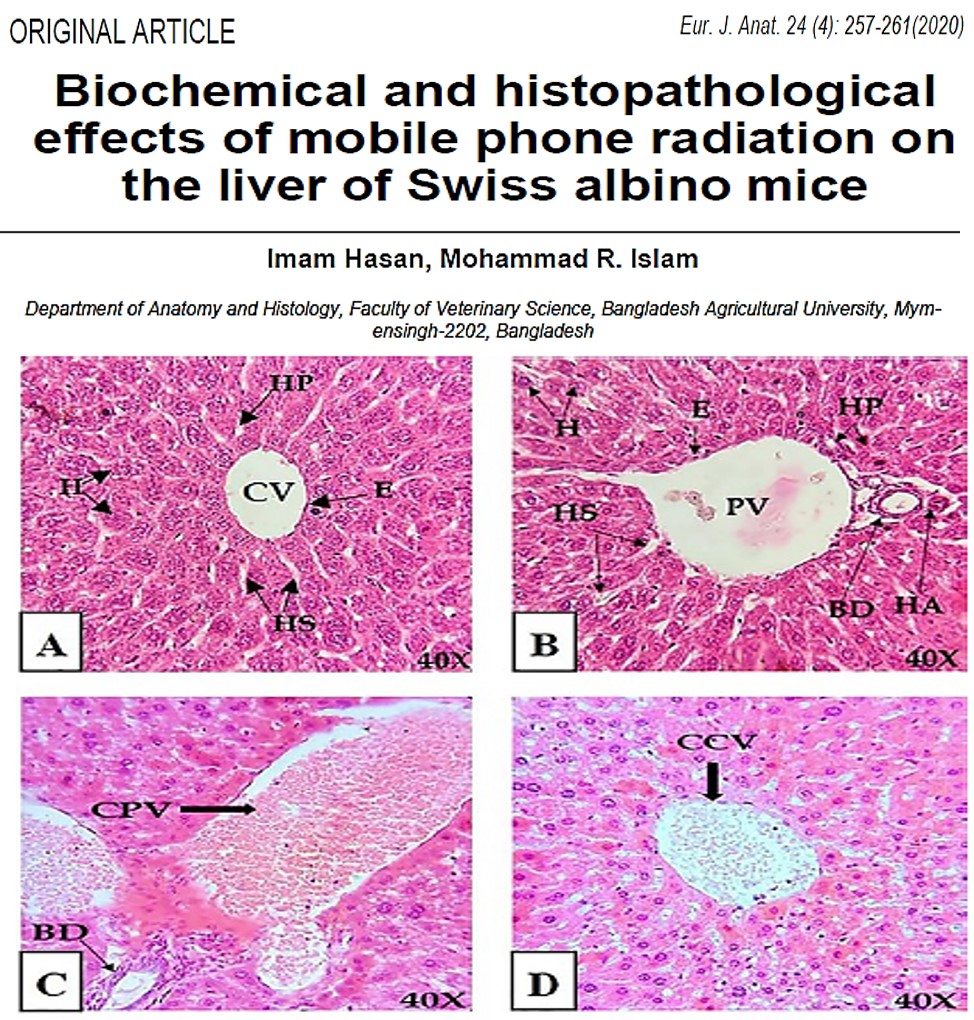
Biochemical and histopathological effects of mobile phone radiation on the liver of Swiss albino mice
The electromagnetic radiation from the mobile phone is a subject of recent study because of the enormous increase in mobile phone use throughout the world. The objective of this experiment was therefore to investigate the biochemical and histopathological effects of mobile phone radiation on male Swiss albino mice’s liver. Male mice were categorized into three groups in this research: control group (A), exposed group for 40 minutes (B), and exposed group for 60 minutes (C). Experimental groups were exposed to radiation per day for 60 days from 4G connected mobile phones. The control group received no radiation. At the end of the radiation exposure, biochemical (alanine transa...
Optimization of Reactor Temperature for Continuous Anaerobic Digestion of Cow Manure: Bangladesh Perspective
Converting organic waste into energy through anaerobic digestion is gaining popularity day by day. The reactor temperature is considered as one of the most vital factors for the digestion process. An experiment was conducted in the Biogas Laboratory of Green Energy Knowledge Hub at Bangladesh Agricultural University (BAU) to examine the influence of temperature on anaerobic digestion of cow-dung. Laboratory-scale continuous stirred tank reactors with a working volume of 15 L were operated for a 30-day retention time. The reactors were set at 20 °C, 25 °C, 30 °C, 35 °C, 40 °C and 45 °C, respectively to determine the effect of temperature on anaerobic...
Functional and Genomic Characterization of Ligilactobacillus salivarius TUCO-L2 Isolated From Lama glama Milk: A Promising Immunobiotic Strain to Combat Infections
Disease occurrence adversely affects livestock production and animal welfare and has an impact on both human health and public perception of food–animal production. Combined efforts from farmers, animal scientists, and veterinarians have been continuing to explore the effective disease control approaches for the production of safe animal-originated food. Implementing immunogenomics, along with genome editing technology, has been considering as the key approach for safe food–animal production through the improvement of the host genetic resistance. Next-generation sequencing, as a cutting-edge technique, enables the production of high throughput transcriptomic and genomic...
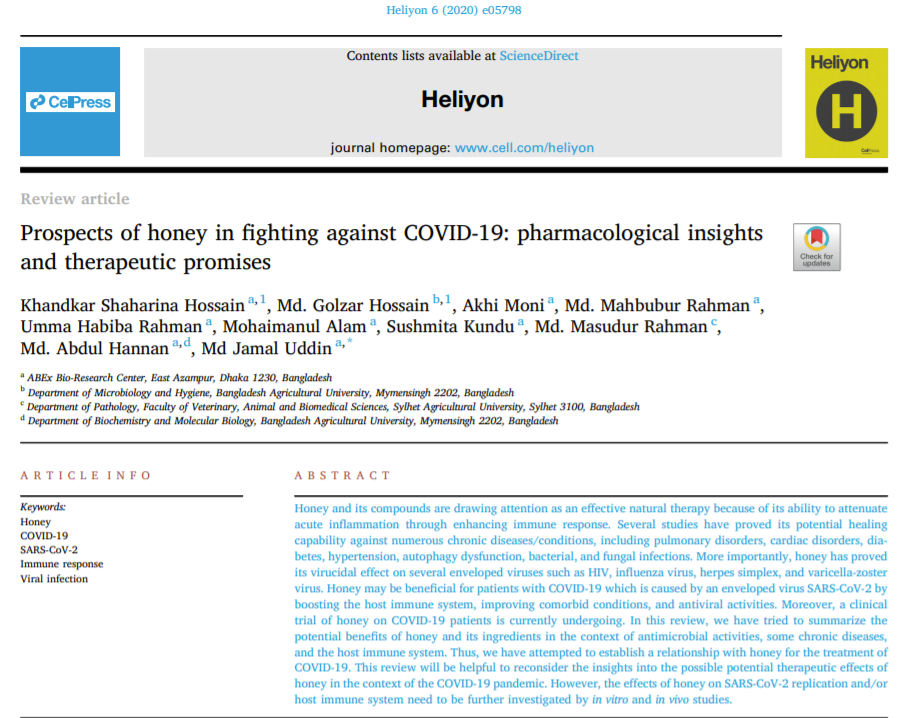
Prospects of honey in fighting against COVID-19: pharmacological insights and therapeutic promises
Honey and its compounds are drawing attention as an effective natural therapy because of its ability to attenuate acute inflammation through enhancing immune response. Several studies have proved its potential healing capability against numerous chronic diseases/conditions, including pulmonary disorders, cardiac disorders, diabetes, hypertension, autophagy dysfunction, bacterial, and fungal infections. More importantly, honey has proved its virucidal effect on several enveloped viruses such as HIV, influenza virus, herpes simplex, and varicella-zoster virus. Honey may be beneficial for patients with COVID-19 which is caused by an enveloped virus SARS-CoV-2 by boosting the host immu...
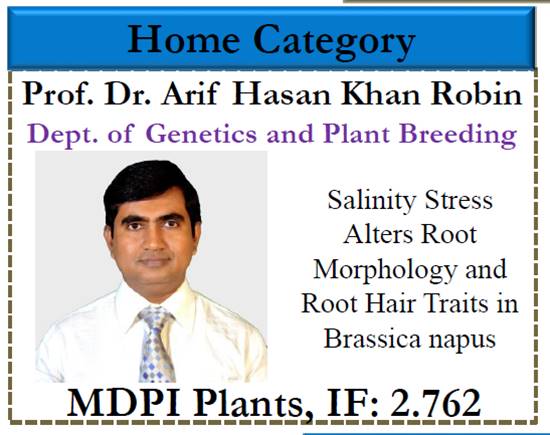
Best Publication Award 2020
Plant roots show morphological plasticity and play a substantial role in tolerance to various edaphic stresses. The aim of this study was to explore salinity-induced morphogenic responses of root traits and root hairs of two rapeseed varieties, BARI Sarisha-8 and Binasarisha-5, at the reproductive stage and perceive the effects on their reproductive growth. The experiment was conducted in a hydroponic culture. Two treatments, 0 mM NaCl as control and 100 mM NaCl, were imposed 55 d after germination. Plants exposed to 100 mM NaCl for seven days displayed greater damage in the leaves, flowers, and siliquae compared to control. Length of root hairs on first-order and third-order later...